The Foundation of Preservation: Understanding Environmental Sensitivity
To possess fine art is to enter into a silent, sacred contract with history. Whether it is a meticulously rendered oil reproduction or an inherited masterpiece, these works are not merely static objects of decor; they are
organic entities composed of delicate pigments, binders, and supports. The very elements that grant an oil painting its luminous depth—the richness of the linseed oil, the texture of the cotton canvas, the subtle layers of glaze—are also its greatest vulnerabilities. Understanding that art is a living, breathing medium is the first step in true stewardship. Every masterpiece responds to the world around it, and as a collector, your primary duty is to maintain a
sanctuary where these materials can remain undisturbed by the ravages of time and environmental instability.
Luminous Perils: Mastering Light and UV Control in the Home Gallery
Light, while essential for appreciating the play of color and texture, acts as a slow, invisible thief within the home gallery. Ultraviolet radiation is particularly insidious, possessing the energy to break down chemical bonds within pigments, leading to the tragic phenomenon of fading and discoloration. A vibrant crimson may slowly surrender its intensity to a pale pink, or the delicate shadows of a landscape may lose their profound depth. To safeguard your collection, one must master the art of illumination. This involves more than simply dimming the lights; it requires the strategic use of
UV-filtering glass and the avoidance of direct sunlight on sensitive surfaces. By controlling the spectrum of light that touches your canvases, you ensure that the artist's original intent remains as vivid today as the moment the final brushstroke was applied.
The Breath of Art: Regulating Temperature and Humidity for Longevity
The most profound threats to an artwork often remain unseen, manifesting through the invisible fluctuations of the air itself. The concept of
"the breath of art" refers to the way organic materials—wood, canvas, and oil—expand and contract in response to changes in relative humidity and temperature. When moisture levels rise, fibers swell; when they drop, they shrink. These rhythmic movements, if too rapid or extreme, can lead to catastrophic structural failures such as cracking, flaking, or the warping of wooden panels. For the discerning collector,
stability is the ultimate luxury. Aiming for a consistent environment—ideally around 55% relative humidity and a temperate 20°C—creates a stable atmosphere that prevents the mechanical stress of expansion and contraction, thereby preserving the structural integrity of the paint layers and the support beneath.
Architectural Integrity: Best Practices for Display and Secure Storage
The manner in which art is integrated into your architecture speaks volumes about your commitment to its preservation. Proper display requires a thoughtful approach to the physical relationship between the artwork and its environment. When hanging pieces, it is vital to utilize
acid-free matting to create a necessary air gap between the artwork and the glass, preventing moisture from becoming trapped against the surface. Furthermore, the choice of framing is paramount; high-quality, solid wood frames with reinforced stretcher bars provide the structural backbone needed to prevent warping over decades. For those managing larger collections, storage must be handled with equal reverence. Art should never be tightly wrapped in plastic or bubble wrap, which can trap moisture and encourage mold growth. Instead, utilize breathable materials and ensure that works are stored in environments with minimal fluctuations, protected from dust and the accidental pressures of stacking.
Vigilance and Care: Identifying Deterioration and Seeking Professional Expertise
True connoisseurship requires a vigilant eye, capable of detecting the earliest whispers of deterioration. The appearance of fine cracks, known as
craquelure, or subtle changes in color may signal that the environment requires adjustment. While some aging is natural, sudden flaking or the presence of mold demands immediate professional intervention. This is where the expertise of a dedicated partner becomes invaluable. At
ArtsDot.com, we understand that the longevity of art depends on the chemistry of its creation. Our hand-painted oil reproductions are crafted with an unwavering commitment to archival excellence, utilizing flexible gesso to prevent cracking and specific oils, such as safflower, to ensure whites remain pristine without yellowing. Every piece is finished with a protective coat of
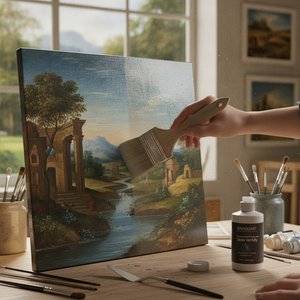
Damar varnish, creating a shield against dust, moisture, and atmospheric pollutants. Whether you are commissioning a bespoke portrait or acquiring a museum-quality reproduction, ArtsDot.com stands as your partner in preserving the enduring legacy of fine art for generations to come.