The Anatomy of Emotion: Understanding Psychological Depth in Visual Narratives
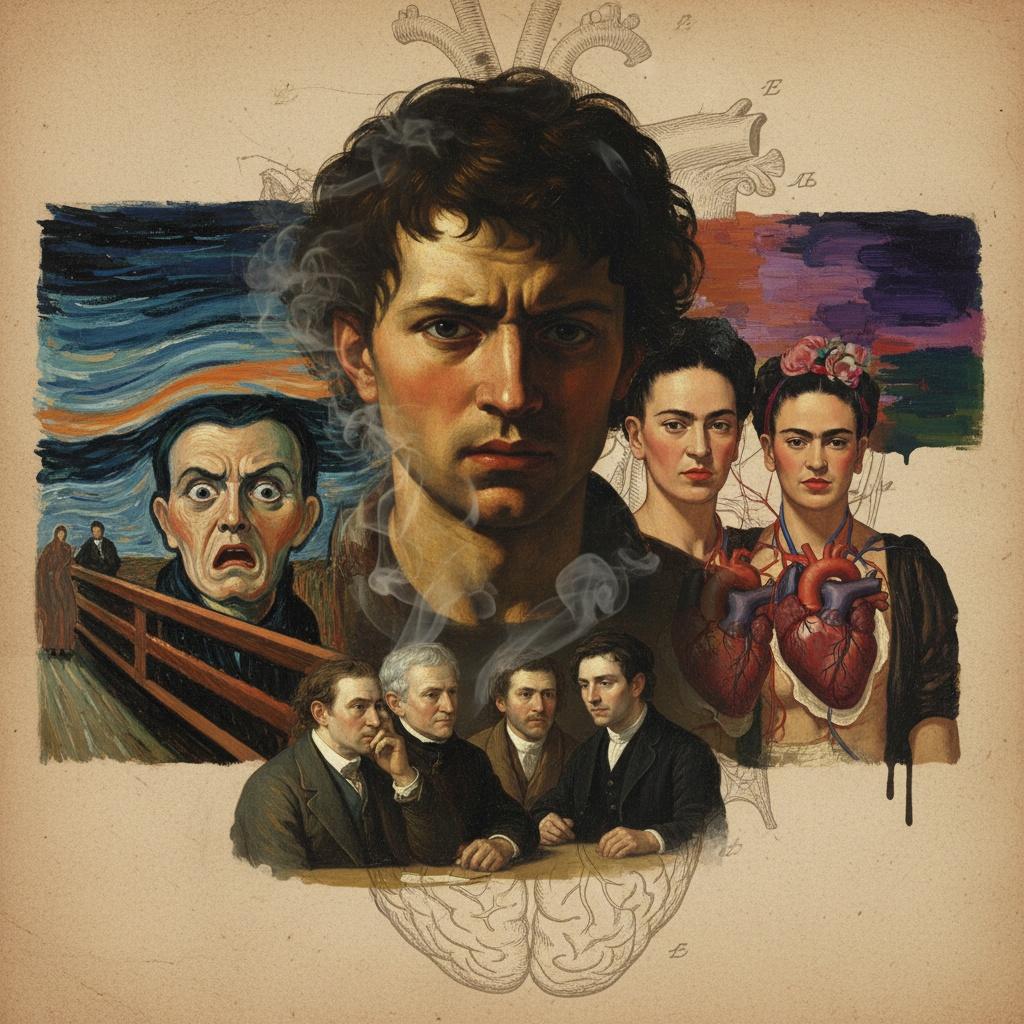
To gaze upon a true masterpiece is not merely to observe a depiction of form, but to enter into a silent dialogue with the human psyche. Throughout the annals of art history, the most enduring works are those that transcend mere mimesis—the imitation of reality—to touch upon the intangible currents of feeling. This profound capacity for emotional resonance relies on a delicate alchemy of composition, light, and shadow, where every brushstroke serves as a vessel for the artist's internal landscape. When we speak of psychological depth, we refer to that rare moment when the canvas ceases to be a flat surface and becomes a window into the soul, revealing the complexities of joy, sorrow, terror, and transcendence that define our shared existence.
The mastery of such depth requires an intimate understanding of how visual elements manipulate the viewer's subconscious. It is found in the tension between a figure and its background, or in the way a sudden burst of light can illuminate a moment of spiritual epiphany. For the discerning enthusiast, recognizing these nuances transforms the act of viewing from passive observation into an intellectual and emotional pilgrimage. We find that the most impactful narratives are often those left unsaid, whispered through the subtle tilt of a head or the heavy, melanchulating atmosphere of a twilight landscape, inviting us to contemplate the profound mysteries of our own interiority.
The Sculpted Psyche: Franz Xaver Messerschmidt and the Architecture of Human Expression
In the realm of three-dimensional form, few artists have ventured into the darker corridors of human emotion as fearlessly as Franz Xaver Messerschmidt. A master sculptor of the late eighteenth century, Messerschmidt moved beyond the idealized grace of his contemporaries to explore what he termed "Character Heads." These intensely expressive busts are not mere portraits; they are psychological studies in miniature, capturing a spectrum of facial contortions that border on the grotesque and the sublime. His work serves as a haunting precursor to the Expressionist movement, utilizing the physical architecture of the face—the furrowed brow, the clenched jaw, the wide-eyed stare—to map the contours of human mania and existential dread.
The brilliance of Messerschmidt lies in his ability to freeze a fleeting psychological state within the permanence of stone or metal. Each sculpture acts as a vessel for a specific, often unsettling, temperament, forcing the viewer to confront the raw, unvarnished reality of human neurosis. There is an almost visceral quality to his work; one does not simply look at a Character Head, one feels the tension radiating from its sculpted features. By stripping away the veneer of classical decorum, Messerschmidt paved the way for future generations to use sculpture as a medium for exploring the profound and often turbulent depths of the human mind.
Chromatic Catharsis: Post-Impressionism and the Expressive Power of Color
As the nineteenth century drew to a close, a revolution of color began to reshape the emotional landscape of painting. The Post-Impressionists, led by visionaries such as Paul Gauguin, realized that color could function independently of descriptive reality to evoke profound psychological states. In works like Portrait of the Austerity with the Idol, we see a departure from the naturalistic light of the Impressionists toward a more symbolic and emotive use of palette. Gauguin utilized rich, subdued tones and expressive brushwork to create atmospheres that felt both exotic and deeply introspective, using color as a direct conduit to the spiritual and the primal.
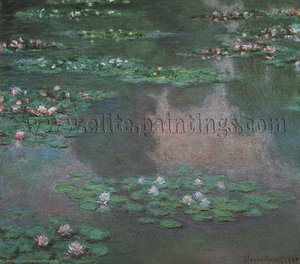
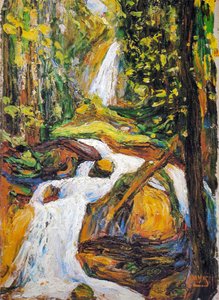
This era introduced the concept of chromatic catharsis, where the saturation and temperature of pigments are used to stir the viewer's emotions. The deliberate application of non-naturalistic hues allows the artist to bypass the intellect and speak directly to the heart. Whether through the heavy, rhythmic applications of paint that suggest a sense of weight and permanence or the vibrant, clashing tones that evoke unrest, the Post-Impressionist palette transformed the canvas into an emotional battlefield. It is in this deliberate manipulation of light and pigment that we find the true power of color to narrate the complexities of human feeling.
Raw Vulnerability: The Stark Emotional Landscapes of Expressionist Masters
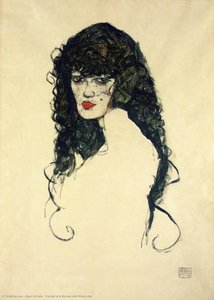
If the Post-Impressionists expanded the language of color, the Expressionists radicalized it, stripping away all artifice to reveal the raw, often painful, vulnerability of the human condition. This movement sought to depict not the world as it appears, but as it is felt—often through a lens of profound anxiety and existential struggle. Artists like Egon Schiele became masters of this stark aesthetic, utilizing jagged, distorted lines and a frequently monochromatic or sickly palette to portray figures that seem caught in a state of permanent emotional exposure. His untitled works, characterized by layered and intense figures, evoke a sense of psychological nakedness that is both beautiful and deeply unsettling.
The Expressionist landscape is one of tension and distortion, where the physical world bends under the weight of internal trauma. The brushwork becomes more aggressive, the forms more fragmented, reflecting a fractured sense of self. In this movement, the artist’s subjective experience takes precedence over objective reality, creating a visual language of intense, often jarring, emotional honesty. To engage with Expressionism is to confront the shadows of the psyche, finding a strange, haunting beauty in the depiction of suffering, isolation, and the raw energy of life itself.
Line and Lyricism: Evoking Intimacy through Ink and Form
While some movements rely on the heavy application of oil to convey depth, others find an equal potency in the delicate precision of line and ink. The lyrical quality of drawing allows for a different kind of intimacy—one that feels more immediate, more like a whispered secret than a grand proclamation. Consider the works of Marc Chagall, particularly his evocative ink drawings such as Tchitchikov's Father Educates Him. Here, the expressive, raw lines possess a rhythmic vitality, guiding the eye through a dreamlike narrative that blends memory, folklore, and profound familial tenderness.
The economy of line in such works creates a space for the viewer's imagination to inhabit the gaps between strokes. There is a profound vulnerability in the simplicity of a black and white composition; without the distraction of color, one is forced to focus on the movement, the weight, and the emotional cadence of the form. This mastery of line achieves a sense of poetic truth, where the fluidity of the ink mirrors the fluid nature of memory and emotion. It is a testament to the fact that even the most minimal interventions can leave an indelible mark upon the soul.
The Eternal Resonance: Preserving the Emotional Legacy of Masterpieces
The true value of these masterpieces lies not only in their historical significance but in their enduring ability to resonate across centuries. The emotional intensity captured by Messerschmidt, Gauguin, Schiele, and Chagall remains as potent today as it was at the moment of creation. As collectors and enthusiasts, our role is to ensure that this legacy of human expression is preserved and brought into the modern domestic space, allowing these profound dialogues to continue in new contexts.
At ArtsDot.com, we dedicate ourselves to this preservation through the meticulous recreation of art history's most evocative works. Whether through our hand-painted oil reproductions, which capture the tactile impasto and physical soul of a masterpiece, or our museum-quality Giclée prints, we strive to bring the depth of the masters into your home. Our mission is to make the profound accessible, ensuring that the emotional intensity of the past remains a living, breathing part of our contemporary aesthetic experience.