The Theater of Light: Understanding Chiaroscuro and Tenebrism
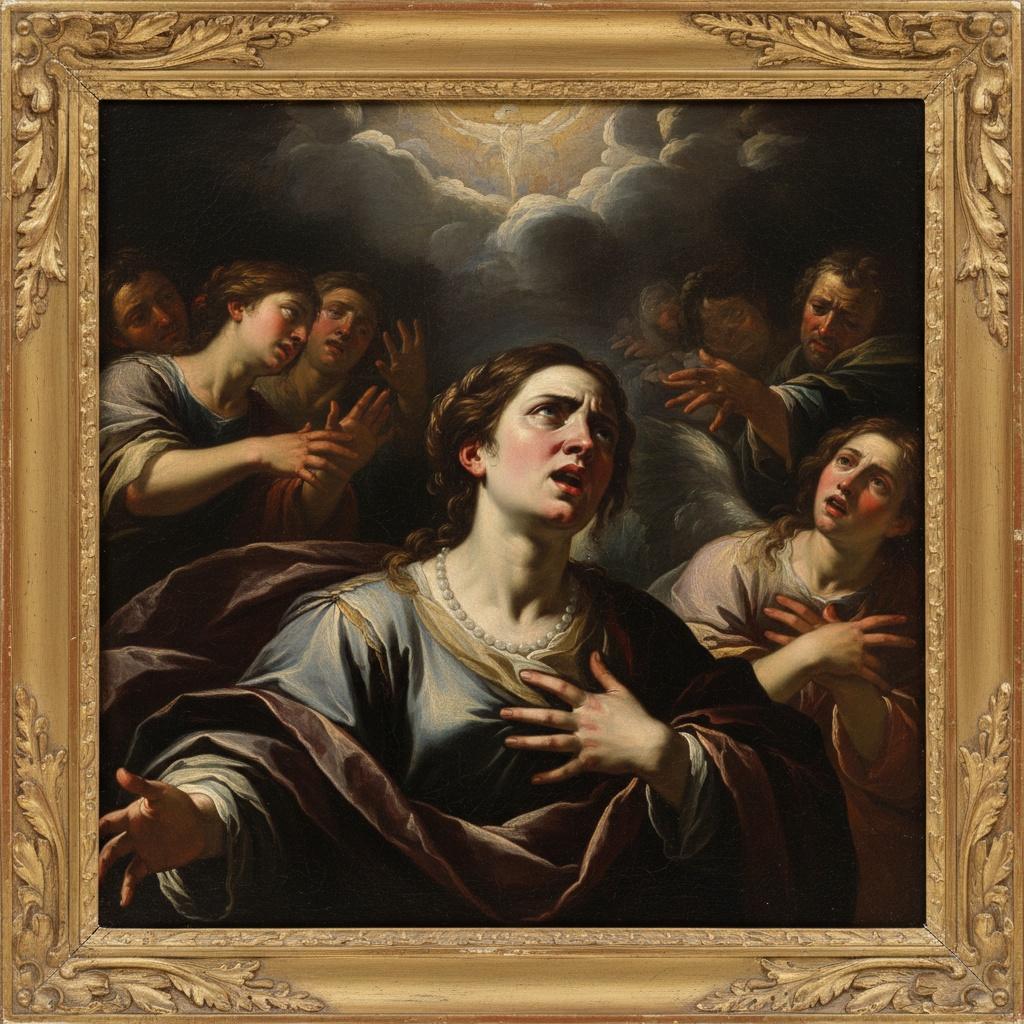
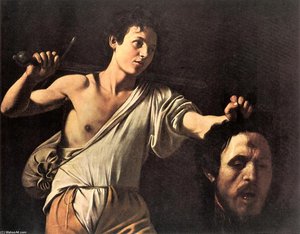
To step into the world of the Italian Baroque is to enter a theater where light does not merely illuminate, but performs. At the heart of this movement lies the profound mastery of chiaroscuro—the delicate, often violent interplay between extreme highlights and deep, swallowing shadows. This was not merely a technical achievement; it was a psychological revolution. Unlike the balanced, even lighting of the High Renaissance, which sought to present a clear and harmonious reality, the Baroque masters utilized light to direct the eye with surgical precision, forcing the viewer to confront the most dramatic moments of a narrative.
As this technique evolved, it gave rise to tenebrism, a more intense and stylistic application of shadow. In tenebrist works, the darkness becomes an active protagonist. The shadows are not merely empty spaces but dense, atmospheric voids from which figures emerge with startling suddenness. This creates a sense of profound depth and mystery, where the edges of a limb or the fold of a garment dissolve into an impenetrable gloom. Through this manipulation of luminance, the artist dictates the rhythm of the viewer's gaze, creating a tension that is both visually arresting and emotionally unsettling.
Ultimately, this mastery of light serves to heighten the sense of three-dimensionality. By sculpting figures out of darkness using only the strategic placement of light, painters achieved a tactile realism that felt almost sculptural. The brilliance of a single candle flame or a shaft of celestial light becomes the catalyst for a drama that transcends the canvas, pulling the observer into a space where the boundary between the painted world and our own reality begins to blur.
Caravaggio and the Revolution of Realism: Capturing the Human Condition
No name resonates with more visceral power in the annals of the Baroque than Caravaggio. A figure as turbulent as his canvases, Caravaggio abandoned the idealized, divine perfection of his predecessors in favor of a gritty, uncompromising realism. He brought the saints and martyrs down from their celestial pedesties and placed them in the dusty, sweat-streaked streets of Rome. In his hands, the sacred became profoundly human, marked by the dirt beneath fingernails, the wrinkles of age, and the raw vulnerability of flesh.
Consider the profound impact of works such as The Lute Player. Here, we see the hallmark of his revolutionary style: a rich, symbolic depth paired with an intense use of chiaroscuro. The light does not just rest upon the subject; it interrogates it. Every texture, from the sheen of silk to the resonance of the instrument, is rendered with a startling immediacy that demands recognition. Caravaggio’s ability to find the extraordinary within the ordinary—to imbue a simple musical scene with a sense of cosmic significance—redefined the possibilities of narrative painting.
This revolution was not without controversy. By utilizing common people as models for biblical figures, Caravaggio challenged the established hierarchies of art. Yet, it was precisely this refusal to look away from the imperfections of life that allowed his work to resonate so deeply across centuries. He captured the human condition in its most naked form, proving that true divinity is often found within the shadows of our shared mortality.
Musicality in Paint: The Poeretic Serenity of Cecco del Caravaggio
While the broader Baroque movement is often characterized by its turbulence, there exists a fascinating subset of works that utilize these same dramatic techniques to achieve a sense of profound, melodic stillness. The works of Cecco del Caravaggio (Francesco Buoneri) offer a compelling counterpoint to the more aggressive narratives of the era. In pieces such as The Flute Player, we witness a masterful application of chiaroscuro that leans toward musical serenity rather than violent conflict.
In these compositions, the dynamic lines and poignant realism characteristic of the period are softened by a sense of rhythmic grace. The light does not strike with the force of a lightning bolt; instead, it caresses the subject, highlighting the gentle curve of a flute or the contemplative expression of a musician. There is a palpable sense of tempo in his brushwork, where the shadows provide a quiet, resonant bass note to the luminous melodies of the highlights.
This intersection of visual and auditory suggestion creates a multisensory experience for the viewer. By capturing the quietude of a musical moment through the lens of Baroque light, Cecco del Caravaggio demonstrates that the same tools used to depict war and martyrdom can also be employed to celebrate peace and introspection. It is a testament to the versatility of the Baroque language—a language capable of both the thunderous crescendo and the whispered lullaby.
Symbolism and Spirit: Decoding the Sacred and Profane in Baroque Imagery
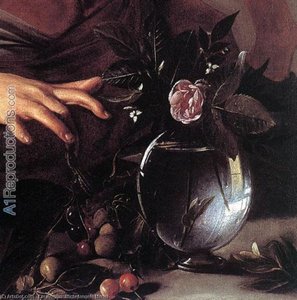
To the untrained eye, a Baroque masterpiece may appear as a mere spectacle of light and shadow; however, beneath the surface lies a complex web of iconography. The era was defined by a constant dialogue between the sacred and the profane, where every object, gesture, and botanical element carried a weight of theological or allegorical meaning. Artists used these symbols to communicate complex spiritual truths to a largely illiterate populace, turning every painting into a readable text.
A single piece of fruit, a wilting flower, or a specific arrangement of drapery could signal the fleeting nature of life—a concept known as vanitas. In works like John the Baptist by Cecco del Caravaggio, the use of dynamic lines and dramatic lighting serves to underscore the spiritual gravity of the subject. The interplay of light and shadow acts as a metaphor for the struggle between enlightenment and ignorance, or the soul's journey through the darkness of sin toward the light of grace.
This layering of meaning ensures that the artwork remains an intellectual pursuit as much as an emotional one. The viewer is invited to decode the visual clues, finding deeper significance in the way a shadow falls across a hand or how a particular pigment reflects the light. In this way, the Baroque masters transformed the canvas into a sacred space where the physical world and the spiritual realm exist in a state of perpetual, dramatic tension.
The Emotional Landscape: How Italian Masters Manipulate Viewer Empathy
The ultimate triumph of the Italian Baroque lies in its ability to manipulate human empathy. The movement was designed to move the spectator—to provoke awe, fear, pity, or religious ecstasy. This was achieved through a sophisticated understanding of composition and psychological pacing. By utilizing extreme perspectives and foreshortening, artists often broke the "fourth wall," making the viewer feel as though they were an active participant in the scene rather than a detached observer.
The emotional weight is carried by the intensity of the facial expressions and the visceral nature of the subject matter. When we witness the tension in a muscular arm or the sorrow in a shadowed eye, we are not merely observing a depiction of emotion; we are experiencing a resonance of it. The masters understood that by grounding their grand narratives in recognizable human sensations—the warmth of light on skin, the chill of an encroaching shadow—they could bypass the intellect and speak directly to the heart.
This emotional landscape is what gives Baroque art its enduring power. It does not ask for permission to be felt; it commands attention through its sheer expressive force. Whether through the terrifying shadows of a martyrdom or the quiet intimacy of a musical performance, the Italian masters mastered the art of the emotional crescendo, ensuring that their works would continue to haunt and inspire the human spirit long after the paint had dried.
Bringing the Baroque Home: Preserving the Grandeur of the Old Masters
In the modern era, the desire to surround oneself with the profound beauty of the Old Masters remains as potent as ever. However, the challenge lies in translating the monumental scale and dramatic intensity of a museum-grade masterpiece into a contemporary living space. The grandeur of the Baroque is not merely about size; it is about the presence of soul, texture, and history—qualities that are often lost in mass-produced, flat reproductions.
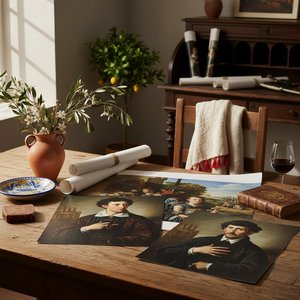
To truly honor this legacy, one must look toward authentic craftsmanship. A true reproduction, much like the original, should possess a tactile depth. The use of heavy-duty cotton canvas, premium pigments with high lightfastness, and the visible, intentional application of impasto brushstrokes allows a painting to breathe. It is the three-dimensional texture of the oil paint that captures the light in the same way Caravaggio intended, creating a "living" quality that a simple print can never replicate.
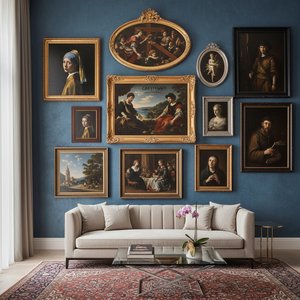
Whether through custom commissions that allow you to "remix" history or through high-quality Giclée prints that preserve the delicate nuances of color, bringing the Baroque into your home is an act of cultural preservation. By selecting pieces that emphasize the dramatic interplay of light and shadow, you do more than decorate a wall; you curate an atmosphere of sophistication, inviting the timeless drama of the 17th century to reside within the architecture of your modern life.