
The Art of Atmosphere: Defining Brand Identity Through Curated Visual Narratives
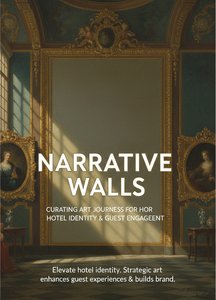
In the realm of luxury hospitality, a hotel is far more than a collection of premium amenities and architectural triumphs; it is a living, breathing narrative designed to envelop the guest in a specific emotional state. For the discerning designer, the challenge lies in transcending mere decoration to achieve true atmospheric curation. The visual identity of a space acts as a silent concierge, communicating prestige, heritage, or avant-garde modernity before a single word is exchanged. When we speak of atmosphere, we are discussing the subtle alchemy of light, shadow, and color, all anchored by the presence of meaningful art. A well-chosen artwork does not simply occupy a wall; it anchors the room's soul, providing a focal point that invites contemplation and establishes the brand’s unique aesthetic vocabulary.
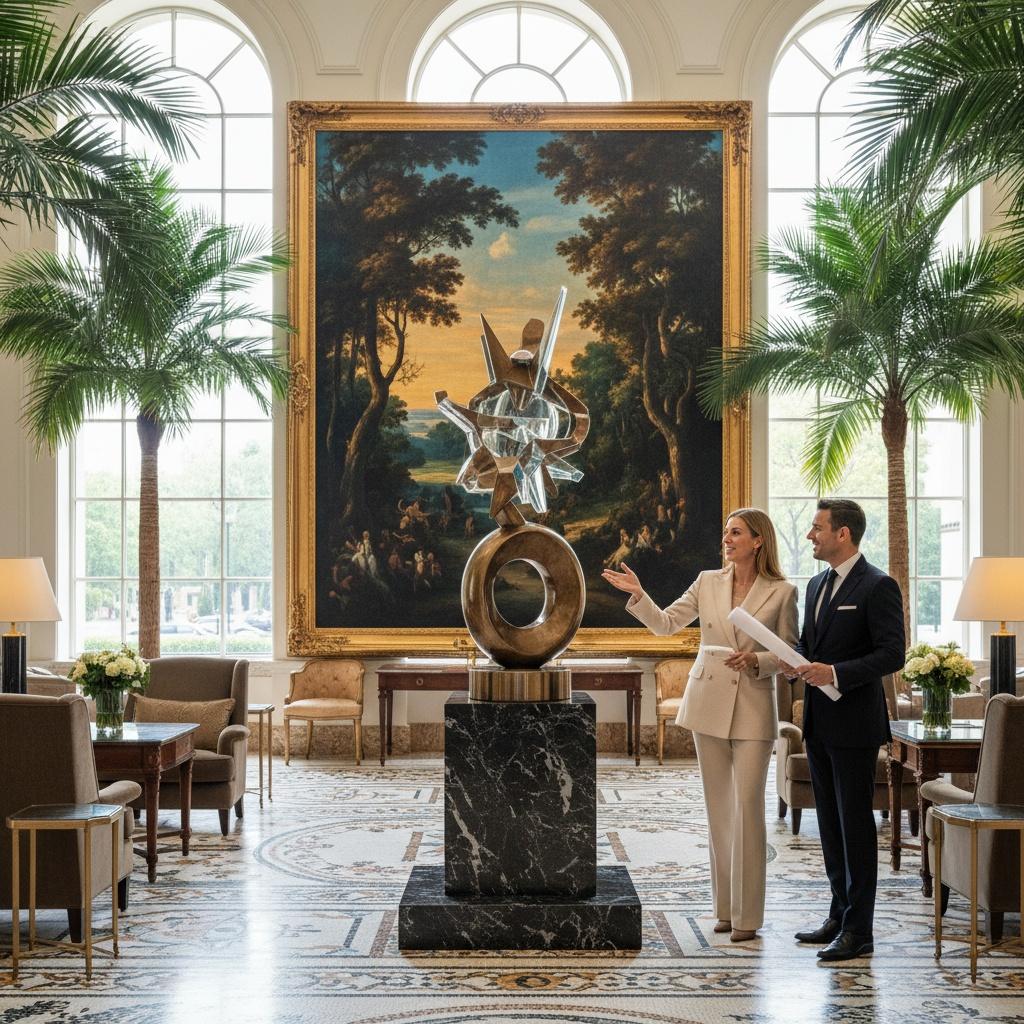
To curate such an atmosphere, one must consider how visual storytelling can bridge the gap between a physical structure and a memorable experience. Whether through the evocative depth of a Renaissance-inspired landscape or the sharp, intellectual rigor of a contemporary geometric sculpture, art serves as the emotional heartbeat of the interior. It is the difference between a room that is merely beautiful and a space that is profoundly resonant. By treating every canvas and installation as a chapter in the hotel’s larger story, designers can create cohesive environments that linger in the guest's memory long after their departure.
Timeless Elegance: Integrating Classical Masterpieces into Neoclassical and Grand Hotel Interiors
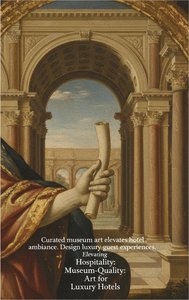
For grand hotels that lean into the weight of history and the splendor of Neoclassical design, the integration of classical reproductions offers an unparalleled sense of permanence and legitimacy. There is a profound psychological comfort in the presence of the Old Masters; their works carry with them the gravity of centuries of human achievement. When designing for spaces characterized by marble, gold leaf, and soaring ceilings, selecting pieces that echo the light-drenched techniques of the Impressionists or the dramatic chiaroscuro of the Baroque era can create a seamless dialogue between the architecture and the decor. Imagine a lobby where the soft, ethereal glow of a Monet-inspired landscape meets the structured grandeur of Corinthian columns, creating a sense of timelessness that transcends modern trends.
This integration requires a sophisticated understanding of scale and period accuracy. A single, large-scale oil reproduction can act as an altar to classical beauty, commanding attention in a high-ceilinged ballroom or a formal dining hall. The tactile nature of these works—the visible, heavy brushstrokes and the rich, layered pigments—provides a sensory depth that flat prints simply cannot replicate. By utilizing hand-painted recreations that maintain the impasto texture of the original masters, designers can introduce an element of authentic luxury that feels inherited rather than merely purchased, lending the property an air of established prestige.
Modern Sophistication: Utilizing Geometric Abstraction and Contemporary Sculptural Elements for Boutique Spaces
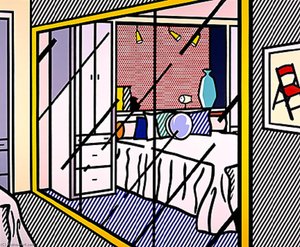
In contrast to the weight of tradition, boutique hotels often thrive on the energy of the contemporary and the unexpected. For these more intimate, avant-garde spaces, the design language shifts toward abstraction, geometry, and the interplay of modern materials. Here, art serves as a catalyst for conversation and a marker of trendsetting sophistication. The use of rose gold geometric stainless steel sculptures or minimalist metal wall art can introduce a rhythmic, architectural quality to a room, echoing the clean lines of modern furniture and industrial-chic aesthetics. These pieces do not rely on historical narrative but rather on the pure, visceral impact of form and light.
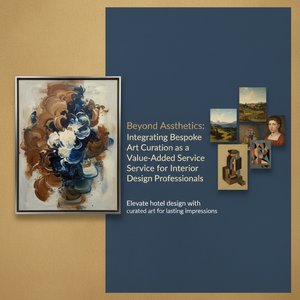
The brilliance of contemporary curation lies in its ability to play with tension and balance. A sleek, monochromatic lounge might be elevated by a sudden burst of color through an abstract expressionist piece, or perhaps a subtle nod to Art Nouveau through delicate, flowing motifs. The goal is to create a space that feels curated rather than decorated—a collection of objects that feel as though they were chosen for their individual merit and their collective ability to challenge the viewer's perception. In these settings, art becomes an essential component of the hotel’s edge, signaling to a sophisticated clientele that the establishment is at the forefront of cultural relevance.
Textural Depth and Sensory Design: The Impact of Impasto Techniques and Mixed Media on Guest Experience
True luxury is often found in the details that are felt rather than just seen. In high-end hospitality design, sensory engagement is paramount, and nothing contributes to this as effectively as the physical texture of fine art. When a guest encounters an oil painting characterized by thick, impasto brushwork, they are not merely looking at a picture; they are witnessing the physical movement of the artist’s hand. This three-dimensional quality adds a layer of "living" energy to a room, catching the light in shifting ways as the sun moves through the space, thereby creating a dynamic environment that evolves throughout the day.
Integrating textured elements—such as heavy-duty cotton canvas with visible pigments or even custom-made wall sculptures—adds a tactile dimension to the interior. This approach prevents a luxury space from feeling sterile or overly polished. By introducing the organic irregularities of hand-painted textures, designers can create a sense of warmth and human connection. Whether it is the soft, velvety texture of a Giclée print enhanced with acrylic gel or the rugged, metallic sheen of a modern sculpture, these textural nuances engage the guest's tactile senses, deepening their immersion in the hotel’s curated world.
Architectural Synergy: Coordinating Large-Scale Murals, Frescoes, and Multi-Panel Installations with Structural Layouts
The most ambitious design projects often require art that is inseparable from the architecture itself. For grand corridors, sweeping staircases, or expansive lobby ceilings, the use of large-format murals and frescoes can transform a structural necessity into an artistic triumph. Much like the historical ceiling frescoes of the Renaissance, modern hotel designers can utilize massive canvas rolls to recreate breathtaking vistas or intricate patterns that follow the contours of the building. These installations allow for a seamless continuity of theme, wrapping the guest in a panoramic experience that defies the boundaries of individual frames.
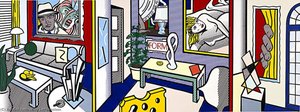
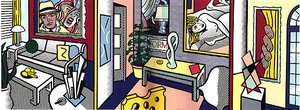
Furthermore, the trend of multi-panel or group set paintings offers a sophisticated way to address wide, uninterrupted walls. By splitting a single, cohesive image across three, four, or even five panels, a designer can create a rhythmic, modern aesthetic that guides the eye through a space. This technique is particularly effective in stairwells or long galleries, where the art acts as a visual guide, leading the guest on a journey through the property. Such installations require meticulous planning regarding scale and composition to ensure that the brushstrokes flow seamlessly across every panel, maintaining the structural integrity of the original vision.
The Curator’s Toolkit: Strategic Approaches to Color Palettes, Lighting, and Bespoke Art Commissions
Ultimately, the successful execution of an art-centric design strategy relies on a disciplined approach to color, light, and customization. A designer must act as a conductor, ensuring that the artwork harmonizes with the established color palette of the interior. Utilizing specialized tools to browse art by color theme or palette allows for precise coordination, ensuring that a vibrant blue in a painting does not clash with the muted tones of the upholstery, but rather enhances them. Lighting, too, must be considered as an integral part of the art’s presentation; the way light interacts with varnish and pigment can either obscure or illuminate the masterpiece.
Perhaps the most powerful tool in the modern designer's repertoire is the ability to commission bespoke works. The rise of custom reproduction allows for unprecedented flexibility, enabling designers to "remix" history—transforming a contemporary photograph into a 17th-century oil masterpiece or requesting specific color adjustments to match a brand’s unique identity. Through professional digital mockups and direct collaboration with master artists, the uncertainty of large-scale commissions is removed, allowing for a level of precision that ensures every piece of art is a perfect, bespoke fit for its intended space. In this intersection of technology and tradition, the designer finds the ultimate means to create spaces that are truly incomparable.
For professionals seeking to elevate their projects with museum-quality reproductions, custom oil paintings, and large-scale architectural installations, ArtsDot.com provides an unparalleled service. From bespoke commissions to expert art consultations, we empower designers to transform hospitality spaces into legendary destinations.