The Foundation: Selecting the Right Paper and Preparing Your Surface
In the pursuit of artistic excellence, the dialogue between medium and substrate begins long before the first brushstroke touches the surface. For the aspiring artist working with acrylics, the choice of paper is not merely a matter of convenience but a fundamental decision that dictates the structural integrity and longevity of the work. Unlike canvas, which offers a robust, woven tension, paper possesses a delicate vulnerability to moisture. To master acrylic on paper, one must first understand the chemistry of absorption and expansion. Selecting a heavy-weight, acid-free paper—ideally with a high cotton content or a substantial GSM (grams per square meter)—is essential to prevent the dreaded buckling that occurs when water-based pigments meet thirsty fibers.
Preparation is the silent architect of a successful painting. To transform a simple sheet into a professional-grade substrate, the application of gesso serves as a vital intermediary layer. This primer does more than just provide a tooth for the paint to grip; it seals the pores of the paper, preventing the acrylic from sinking too deeply into the fibers and losing its luminous quality. By creating a controlled, non-absorbent surface, the artist can manipulate the paint with greater fluidity. Furthermore, for those working in larger formats or more experimental styles, securing the paper with archival tapes to a rigid board ensures that as the layers of pigment build, the substrate remains stable, allowing the artist to focus entirely on the creative evolution of the piece without the distraction of warping edges.
Mastering Color Theory: Achieving Vibrancy and Depth with Acrylics
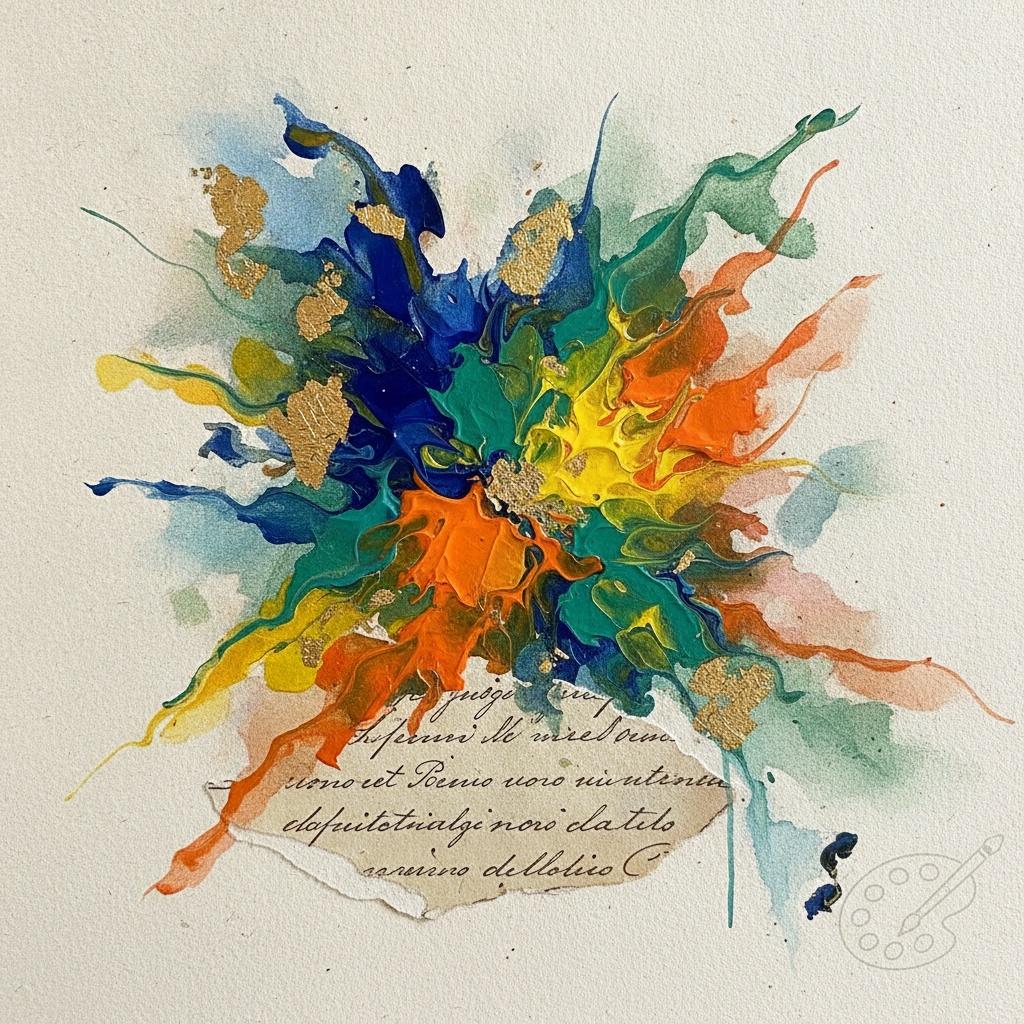
Color is the heartbeat of modern art, acting as the primary vehicle for emotion and narrative depth. For the student of acrylics, mastering color theory requires moving beyond simple pigment identification into the complex realm of optical mixing and value control. The inherent transparency and rapid drying time of acrylics offer a unique opportunity to explore how light interacts with layered pigments. When working on paper, where the brightness of the white substrate can significantly influence the perceived hue, understanding the relationship between tint, shade, and tone becomes paramount.
To achieve true vibrancy, one must resist the temptation to rely solely on pre-mixed tubes. Instead, the artist should practice building color through a disciplined approach to harmony. By utilizing a limited palette, an artist can ensure that every hue within the composition shares a common DNA, creating a sense of atmospheric unity. This involves the careful calibration of temperature—balancing warm ochres against cool ultramarines—to guide the viewer's eye through the composition. Furthermore, understanding how much white or black to introduce is critical; too much titanium white can lead to a chalky, opaque finish that lacks soul, whereas strategic use of glazing can create a luminous, stained-glass effect where light appears to emanate from within the paper itself.
Techniques for Texture: From Glazing to Impasto on Paper
The paradox of acrylic on paper lies in the attempt to achieve three-dimensional tactile qualities on a two-dimensional plane. While paper is traditionally associated with flat, wash-like applications, the modern artist can push these boundaries through sophisticated textural manipulation. The technique of glazing—applying thin, translucent layers of diluted paint—allows for the creation of depth that mimics the complexity of natural light. Each layer acts as a filter, catching the light and refracting it through subsequent strata of color, resulting in a richness that cannot be achieved through single-layer painting.
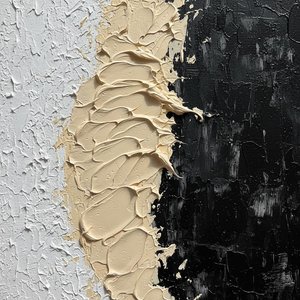
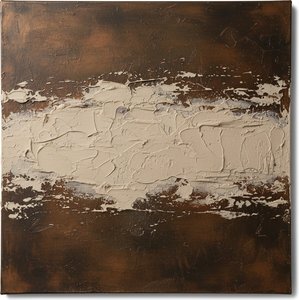
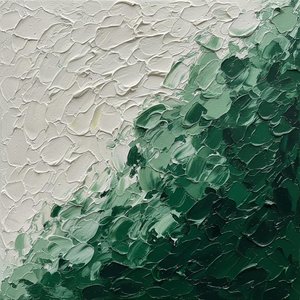
Conversely, the challenge arises when attempting impasto, or the thick, sculptural application of paint, on a delicate surface. To achieve this without compromising the paper, one must utilize heavy-body acrylics or incorporate acrylic molding pastes and gels. These mediums allow the artist to sculpt peaks and valleys that catch physical shadows, imbuing the work with a visceral, energetic presence. The secret lies in the controlled buildup; by carefully managing the weight of these textured layers, the artist can create a "living" surface where the interplay of light and shadow mimics the ruggedness of a landscape or the soft undulations of fabric, all while maintaining the structural equilibrium of the paper substrate.
Layering and Opacity: Building Complex Compositions
Complexity in modern acrylic painting is rarely achieved in a single moment; rather, it is an iterative process of accumulation. Layering is the fundamental language of the medium, allowing the artist to correct errors, refine forms, and introduce subtle shifts in value. For the student, learning to navigate the tension between opacity and transparency is the key to sophisticated composition. An opaque layer can be used to establish strong, definitive shapes and structural foundations, while subsequent translucent layers can soften edges and introduce atmospheric nuances.
This process of building requires a strategic approach to "sketching with paint." Instead of relying on traditional graphite underdrawings, which can sometimes smudge or interfere with color purity, the artist can use highly diluted, light-colored washes to map out the composition. As the painting progresses, each new layer must be considered in relation to what lies beneath. The mastery of opacity allows for the "reclaiming" of space—covering a misplaced shadow with a bright highlight—while also allowing for the delicate "veiling" of shapes, where a previous color peeks through just enough to suggest movement or depth. This rhythmic cycle of covering and revealing is what gives a layered painting its characteristic sense of history and complexity.
Advanced Blending and Atmospheric Perspective in Modern Works
To move from technical proficiency to true artistry, one must master the art of the transition. In acrylic painting, where the drying time is notoriously rapid, blending requires both speed and foresight. Achieving smooth gradients—the seamless transition from a deep shadow to a brilliant highlight—demands a command over the medium's viscosity and the use of retarders to extend workability. This skill is essential for rendering atmospheric perspective, the technique of manipulating color, value, and clarity to create the illusion of vast distance within a flat composition.
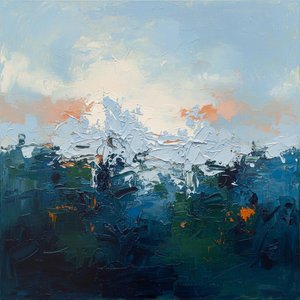
In an effective landscape or abstract study, objects in the foreground should possess high contrast, saturated colors, and sharp edges, while elements receding into the background should become cooler, paler, and more blurred. This is achieved through the strategic application of desaturated tones and soft-edged glazes. By mastering these advanced blending techniques, the artist can manipulate the viewer's perception of space, pulling them into a world that feels infinitely deep. The ability to control the "edge" of a shape—whether it is hard, lost, or soft—is perhaps the most powerful tool in an artist's repertoire for directing visual flow and creating a sense of profound atmospheric realism.
Preservation and Finishing: Protecting Your Paper-Based Artworks
The final stage of the artistic process is often the most overlooked, yet it is arguably the most critical for ensuring that the labor of the artist survives the passage of time. Because paper is susceptible to environmental fluctuations, the preservation of an acrylic work requires a commitment to archival standards. Once the final layer of paint has dried and the composition is complete, the application of a protective varnish serves as a vital shield against dust, moisture, and atmospheric pollutants.
A well-chosen varnish does more than protect; it can also unify the surface sheen, whether one desires a matte, satin, or high-gloss finish. However, the artist must be mindful of the chemistry involved, ensuring that the varnish is compatible with the acrylic medium to prevent cracking or yellowing. Beyond the painting itself, the method of presentation—such as using acid-free matting and UV-protective glass—is essential to prevent the degradation of pigments and the embrittlement of the paper. By treating the finished work with the same reverence as a museum masterpiece, the artist ensures that their creative vision remains vibrant and intact for generations to come.
At ArtsDot.com, we celebrate the profound dedication required to master these complex techniques. From the meticulous preparation of surfaces to the sophisticated layering of pigments, our passion lies in preserving the spirit of fine art. Whether you are an aspiring student or a seasoned professional, we invite you to explore the limitless possibilities of the medium and join a global community dedicated to the enduring beauty of human creativity.