


The Alchemy of Oil: Pioneering Techniques of the Franco-Flemish Masters
To step into the world of the 15th-century Franco-Flemish masters is to witness a profound revolution in the very chemistry of light. Before this era, the tempera tradition—characterized by its quick-drying, opaque nature—limited the artist's ability to capture the subtle transitions of atmosphere and skin. However, the innovators of the Northern Renaissance, most notably within the Early Netherlandish tradition, unlocked the secrets of the oil medium. By meticulously blending pigments with drying oils, these masters achieved a translucent depth that allowed light to penetrate multiple layers of paint, reflecting back through the pigment to create an inner radiance previously unseen in Western art.
This technical breakthrough was not merely about convenience; it was an alchemical pursuit of truth. The ability to work slowly, blending edges with seamless precision, enabled a level of tonal gradation that breathed life into every subject. As artists applied successive glazes—thin, transparent layers of oil—they built a luminosity that mimicked the way light interacts with physical matter. This mastery over the medium transformed the canvas from a flat surface into a window, inviting the viewer to peer into a world where even the most delicate shadow possessed a structural, glowing integrity.
Microscopic Majesty: The Art of Hyper-Realistic Detail and Texture
The hallmark of Flemish excellence lies in its almost obsessive devotion to the minute. In these works, the macrocosm of the grand composition is inextricably linked to the microcosm of individual textures. One does not simply look at a Flemish masterpiece; one investigates it. The viewer’s eye is invited to wander across the heavy, tactile folds of a velvet robe, the cold glint of a polished brass ewer, or the microscopic crystalline structure of a single dewdrop resting upon a petal. This hyper-realism was achieved through an unparalleled command of fine-tipped brushes and a patient, layered approach to execution.
This dedication to detail serves a purpose far beyond mere virtuosity. By rendering the physical world with such startling accuracy, the artists bridged the gap between the divine and the earthly. When we observe the intricate patterns of a brocade or the rugged texture of a stone floor, we are grounded in a tangible reality that makes the spiritual elements of the painting feel equally present and undeniable. It is this marriage of extreme precision and profound atmosphere that creates the "living" quality of the Northern Renaissance, where every fiber of cloth and every grain of sand feels imbued with a permanent, frozen vitality.
Hidden Narratives: Decoding Symbolism in Northern Renaissance Compositions
Beneath the surface of this breathtaking realism lies a complex, intellectual architecture of meaning. For the contemporary viewer, a Flemish painting may appear as a serene domestic scene or a lush garden, yet to the Renaissance mind, every object was a vessel for theological and philosophical discourse. This is the art of "disguised symbolism," where the mundane is elevated to the monumental. A simple carafe of water might signify purity; a single extinguished candle could represent the fleeting nature of human life; even the placement of fruit within a bowl can whisper of the Fall of Man.
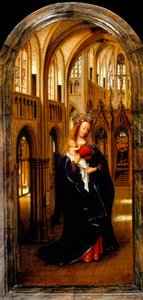
Navigating these works requires an eye for the poetic subtext embedded in the everyday. In masterpieces such as the Virgin of the Rose Garden, the lush flora is not merely decorative but serves as a botanical lexicon of devotion and grace. To engage with Flemish art is to participate in a silent dialogue between the artist and the observer, where the act of looking becomes an act of reading. This layer of hidden narrative ensures that the artwork remains intellectually stimulating long after the initial visual impact has faded, rewarding the patient scholar with endless rediscoveries of meaning.
Luminous Realism: The Interplay of Light, Shadow, and Devotional Depth
Light in Flemish art is never a passive element; it is a protagonist. Unlike the dramatic, theatrical chiaroscuro that would later define the Baroque period, the light of the Northern Renaissance is often soft, pervasive, and deeply atmospheric. It is a light that defines form without obscuring detail, casting gentle shadows that reveal the three-dimensional weight of objects. This luminosity serves to sanctify the space it inhabits, creating an aura of quiet sanctity that permeates even the most secular portraits.
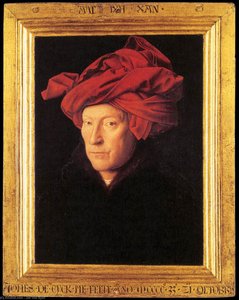
Consider the profound psychological impact of light in works like Jan van Eyck’s Man in a Turban. The way light catches the subtle contours of the face and the intricate weave of the fabric creates a sense of presence so potent it feels as though the subject might breathe. This interplay of light and shadow does more than create depth; it fosters a sense of devotional intimacy. It invites the viewer into a contemplative state, where the clarity of the visual world mirrors the clarity of spiritual truth, making the act of viewing an almost meditative experience.
The Legacy of Precision: How Flemish Mastery Shaped the Modern Aesthetic
The influence of the Flemish masters extends far beyond the borders of the 15th century, leaving an indelible mark on the trajectory of Western art. Their pioneering use of oil glazes laid the foundation for the great traditions of the Renaissance and Baroque, while their commitment to observational truth paved the way for the rise of realism in later centuries. Even in our modern era, characterized by rapid digital imagery, the Flemish emphasis on texture, light, and symbolic depth continues to resonate with those who seek substance and soul in their visual experiences.
Today, we see this legacy preserved not only in museums but in the continued reverence for craftsmanship and the pursuit of technical perfection. The spirit of the Flemish masters lives on in any endeavor that seeks to capture the essence of reality through meticulous care and profound vision. Their work remains a testament to the idea that true beauty is found in the details, and that through the mastery of medium and meaning, art can achieve a timelessness that transcends the boundaries of era and geography.
For those seeking to bring this timeless elegance into their own collections, ArtsDot.com offers unparalleled access to the world of fine art. From meticulously hand-painted oil reproductions that capture every tactile brushstroke of the Old Masters to museum-quality Giclée prints, we specialize in preserving the soul of classical art for the modern connoisseur. Whether you desire a custom commission that reimagines your personal history through a historical lens or a large-scale mural to transform an architectural space, our academy-trained artists ensure every piece meets the highest standards of academic excellence and enduring beauty.