


The Essence of Soft Minimalism: Defining Quiet Luxury through Texture and Tone
In the contemporary landscape of high-end residential design, a profound shift is occurring—a movement away from the ostentatious displays of wealth toward a more whispered, intentional form of expression known as soft minimalism. Unlike the stark, often clinical austerity of traditional minimalism, soft minimalism seeks to cultivate an atmosphere of profound serenity and warmth. It is a philosophy rooted in the concept of quiet luxury, where the value of a space is measured not by the quantity of its ornaments, but by the exquisite quality of its textures and the emotional resonance of its stillness.
To master this aesthetic, one must understand that emptiness is not an absence, but a deliberate presence. It is the breath between notes in a symphony, providing the necessary space for true beauty to emerge. In a soft minimalist interior, every element is curated with surgical precision, ensuring that each piece possesses enough character to stand alone while contributing to a cohesive, tranquil whole. This approach demands a rejection of the superfluous in favor of the exceptional, inviting a sense of calm that transcends mere decoration to become an immersive experience of peace.
A Curated Palette: Mastering Neutrality and Organic Warmth
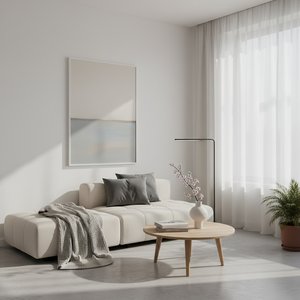
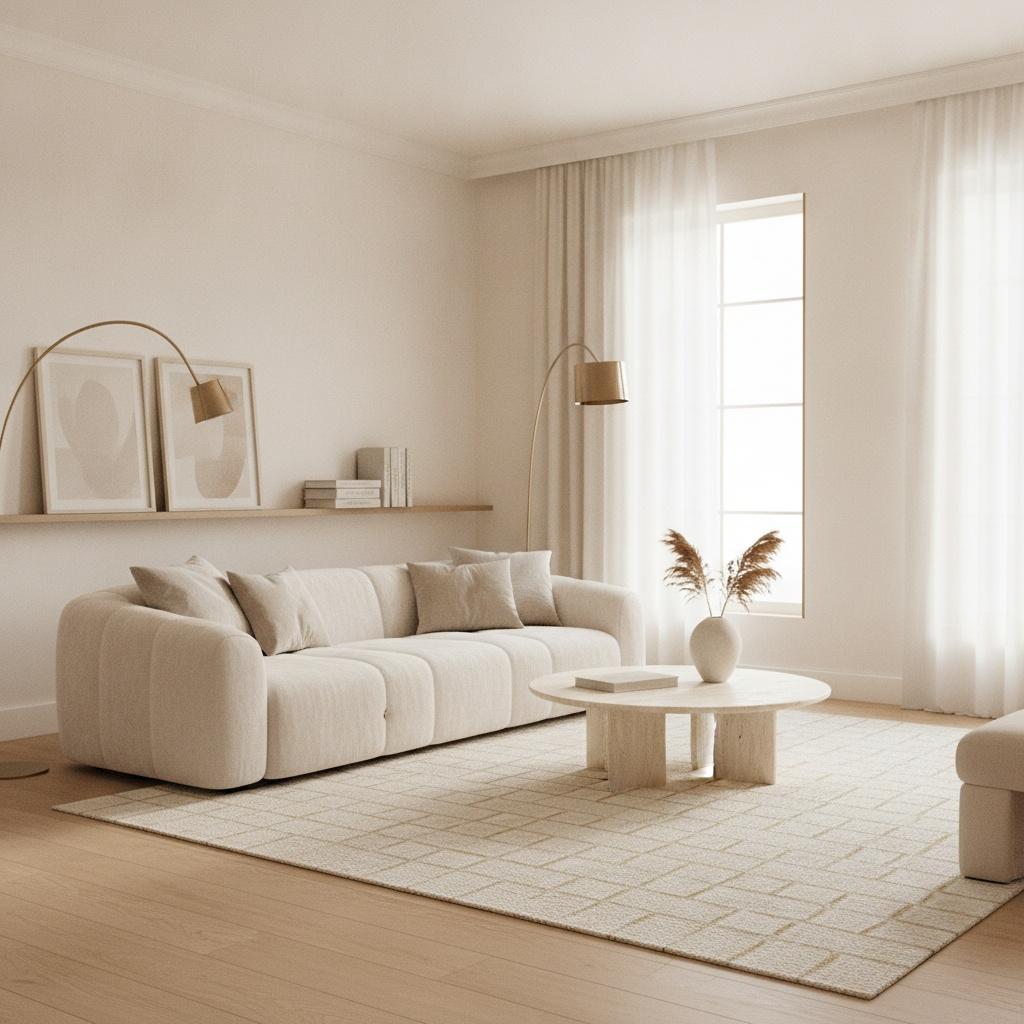
The foundation of a soft minimalist sanctuary lies in its chromatic restraint. The palette is typically composed of a sophisticated spectrum of neutrals—creams, sands, warm greys, and muted taupes—that serve to soften the architectural boundaries of a room. However, the true mastery of this palette is found in the subtle interplay of light and shadow across these tonal variations. A monochromatic scheme, when executed with expertise, avoids monotony through the introduction of organic warmth, utilizing hues that evoke the natural world: the soft glow of dawn, the weathered texture of limestone, or the gentle shade of sun-bleached linen.
This chromatic subtlety allows the eye to wander without fatigue, fostering a meditative state. By limiting the visual noise of high-contrast colors, the designer can focus on the nuanced transitions between tones. This creates a layered effect where the walls, floors, and furnishings seem to melt into one another, creating an unbroken horizon of tranquility. It is within this delicate balance of light and neutral depth that the true elegance of soft minimalism resides, offering a sophisticated backdrop for more sculptural or artistic focal points.
Sculptural Sophistication: Integrating Iconic Design and Minimalist Forms
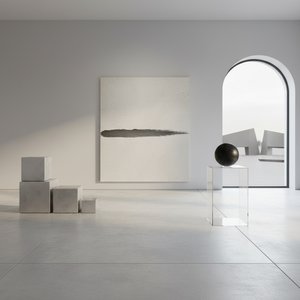
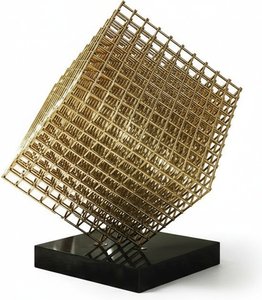
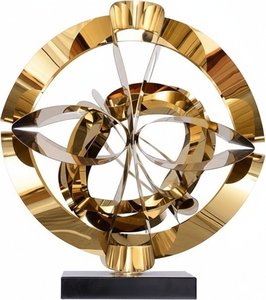
In a space defined by restraint, furniture and objects must transcend their utilitarian functions to become works of art. The integration of sculptural forms is essential; a single, well-placed piece can anchor an entire room. Consider the profound impact of a chair that possesses a unique, bowl-like silhouette, such as the striking black leather designs reminiscent of mid-century masters like Bernardo Bernardi. Such pieces introduce a necessary tension between minimalist simplicity and complex geometry, providing visual interest through unexpected angles and fluid lines.
The selection process requires an eye for both historical significance and modern innovation. Designers often look to the refined simplicity of Jasper Morrison or the geometric precision of Konstantin Grcic to find objects that embody functional elegance. When these iconic forms are introduced into a soft minimalist setting, they act as silent protagonists. They do not shout for attention; rather, they command respect through their impeccable proportions and the way they interact with the surrounding space. The goal is to achieve a curation where every object—from a lighting fixture to a low-profile lounge chair—contributes to a sense of architectural permanence and sculptural grace.
The Soul of the Space: Elevating Serenity with Bespoke Art Curation
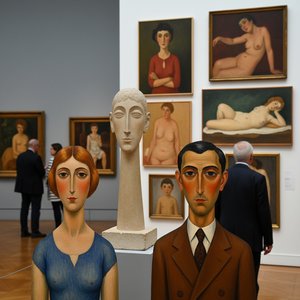
If architecture provides the bones and furniture the form, then art provides the soul. In soft minimalism, art is never an afterthought; it is the emotional heartbeat of the interior. The challenge lies in selecting pieces that enhance the room's serenity without disrupting its equilibrium. This is where the distinction between mere decoration and true curation becomes vital. A carefully chosen painting can introduce a much-needed layer of depth, texture, or even a subtle "period shift" that connects the modern space to the grandeur of art history.
The use of bespoke oil reproductions offers an unparalleled opportunity for personalization. Imagine a large-scale, hand-painted canvas featuring the light-drenched, impressionistic strokes of Monet, or perhaps a custom portrait reimagined in the dramatic, textured impasto of Van Gogh. These works introduce tactile dimension—the visible brushstroke and the physical relief of paint on canvas—which provides a necessary counterpoint to the smooth surfaces of minimalist architecture. By commissioning works that feature organic textures or soft, atmospheric subject matter, the collector can bridge the gap between the contemporary environment and the timeless beauty of the Old Masters, creating a space that feels both curated and deeply personal.
Biophilic Harmony: Blending Natural Elements with Architectural Precision
To prevent minimalism from feeling sterile, one must look toward the principles of biophilic design—the intentional integration of nature into the built environment. Soft minimalism thrives when it embraces organic materials: raw wood, honed stone, linen, and clay. These elements introduce a sensory richness that grounds the inhabitant in the physical world. The tactile experience of running a hand over a reclaimed oak table or feeling the coolness of a marble plinth provides a vital connection to the earth, fostering well-being and psychological comfort.
This harmony is further achieved through the careful management of light and greenery. Natural light should be treated as a building material itself, filtered through sheer textiles to create soft, dappled shadows that change throughout the day. When paired with the subtle presence of botanical elements or large-scale murals depicting serene landscapes, the interior becomes a living, breathing ecosystem. This intersection of architectural precision and natural fluidity is the pinnacle of soft minimalist design, creating a sanctuary that feels both highly sophisticated and profoundly restorative.
Achieving Timelessness: The Art of Intentionality in Luxury Interiors
Ultimately, mastering soft minimalism is an exercise in intentionality. It is a commitment to the idea that every choice—from the grain of the wood to the placement of a masterpiece—should be made with purpose. This level of curation avoids the pitfalls of fleeting trends, instead building a legacy of style that remains relevant across decades. A truly luxurious interior does not chase the new; it celebrates the enduring.
As we refine our environments to reflect our inner need for peace, we find that the most impactful spaces are those that allow us to simply be. By focusing on quality over quantity, texture over pattern, and soul over spectacle, we create homes that are not merely places of residence, but profound expressions of a life well-lived. In the realm of soft minimalism, true luxury is found in the quiet, the beautiful, and the eternal.