
The Essence of Monochromatic Vision: Stripping Away Color to Reveal Form
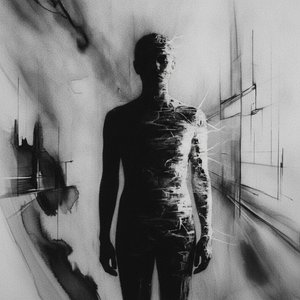
To gaze upon a monochrome image is to enter a realm where the distractions of the chromatic spectrum are silenced, leaving only the fundamental architecture of reality. In the absence of hue, the eye is no longer seduced by the vibrant reds of a sunset or the lush greens of a forest; instead, it is compelled to confront the raw geometry of existence. This reductionist approach acts as a visual purification, stripping away the superficial layers of color to expose the skeletal strength of form and texture. When we remove color, we do not lose information; rather, we gain clarity. The viewer becomes acutely aware of the weight of a shadow, the delicate curve of a silhouette, and the intricate patterns etched into stone or skin.
This process of visual distillation allows for a deeper communion with the subject matter. Without the emotional cues provided by color—the warmth of gold or the melancholy of blue—the mind must rely on tonal relationships to interpret meaning. This creates a more cerebral experience, where the interplay of light and dark dictates the narrative. It is an invitation to look closer, to observe how a single highlight can define a cheekbone or how a deep, velvety black can suggest an infinite, unknowable void. In this way, black and white photography serves as a profound meditation on the very essence of sight itself.
A Journey Through the Silver Age: The Historical Evolution of Black and White Photography
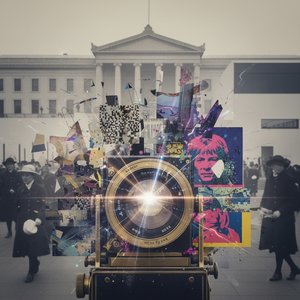
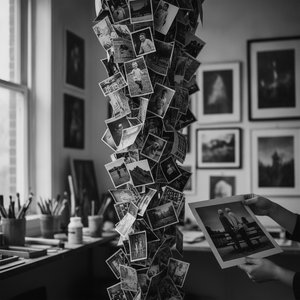
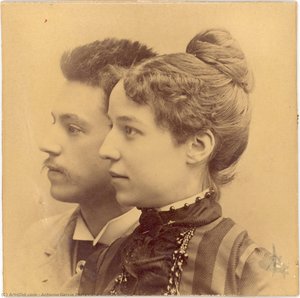
The history of monochrome imagery is inextricably linked to the chemical alchemy of the 19th century. In the early days of the medium, photography was a laborious dance with light-sensitive emulsions and silver salts. We look back to the late Victorian era, exemplified by the works of pioneers like Félix Nadar, whose captures from the 1880s offered a window into a world emerging from the shadows of antiquity. These early portraits were not merely records of faces but studies in permanence, utilizing the long exposure times of the era to imbue subjects with a certain statuesque dignity. This was an age where the photograph was a precious, physical artifact, born from the delicate manipulation of light on metal and glass plates.
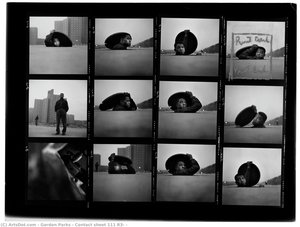
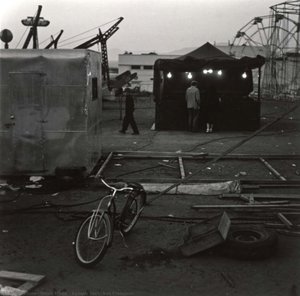
As technology progressed, the medium moved from the experimental fringes of science into the heart of cultural expression. The advent of more versatile processes allowed photographers to move beyond the studio, capturing the industrial grit of modernizing cities and the stark realities of human conflict. We see this evolution in works that bridge the gap between documentation and fine art, where the gritty textures of industrial architecture meet a bold, typographic sensibility. From the soft, ethereal tones of early pictorialism to the sharp, uncompromising clarity of mid-century realism, the history of black and white photography is a chronicle of humanity learning to see itself through the lens of silver and shadow.
Chiaroscuro and Contrast: The Technical Mastery of Light and Shadow
At the heart of every compelling monochrome composition lies the mastery of chiaroscuro—the dramatic interplay between light and dark. Borrowed from the lexicon of Renaissance painters like Caravaggio, this technique finds its most potent expression in the photographic medium. In a world without color, contrast becomes the primary language of depth. The photographer acts as a sculptor, using light to carve shapes out of the darkness and shadow to define the boundaries of space. A high-contrast image can feel aggressive and energetic, pushing the viewer toward the brightest highlights, while a low-contrast, tonal image offers a subtle, atmospheric nuance that invites quiet contemplation.
The technical challenge lies in managing the delicate gradients of gray. The true virtuoso knows how to preserve detail within the deepest blacks and the most brilliant whites, ensuring that the "mid-tones" carry the essential texture of the subject. It is in these subtle transitions—the soft fall of light across a draped fabric or the gradual fading of a landscape into mist—that the magic of the medium resides. By controlling the luminance, the artist directs the viewer's gaze, creating a visual hierarchy that guides the eye through the composition, ensuring that every highlight and every shadow serves a deliberate, artistic purpose.
The Emotional Architecture of Monochrome: Capturing Narrative and Soul
Beyond the technicalities of light and chemistry, black and white photography possesses a unique capacity for emotional resonance. There is an inherent timelessness to the monochrome palette; it removes a photograph from a specific moment in time, unmoored from the era-specific colors of fashion or landscape, and elevates it to a universal plane. This abstraction allows the photographer to capture the "soul" of a subject rather than just its outward appearance. A portrait stripped of color often feels more intimate, as if we are peering into the very psyche of the sitter, seeing the lines of experience and the depth of emotion etched in grayscale.
This emotional architecture is built through narrative tension. The way a shadow obscures a face can suggest mystery or even dread, while a sudden burst of light can evoke hope or revelation. In documentary photography, this power is used to convey the gravity of human struggle, turning a simple moment of hardship into a monumental piece of historical testimony. Because the viewer is not distracted by the sensory overload of color, they are more susceptible to the underlying mood—the quiet melancholy of a lonely street or the triumphant energy of a crowded square. The monochrome image does not just show us what happened; it tells us how it felt.
From Portraiture to Abstraction: The Versatility of the Grayscale Palette
The versatility of the black and white medium is perhaps its most enduring strength, allowing it to traverse the spectrum from hyper-realistic portraiture to pure, non-representational abstraction. In portraiture, the grayscale palette emphasizes the tactile qualities of the human form—the roughness of weathered skin, the softness of hair, and the reflective glint in an eye. It allows for a focus on character and presence that color photography often struggles to match. Yet, the same medium can be turned toward the abstract, where the subject is no longer a person or a place, but merely a collection of lines, shapes, and textures.
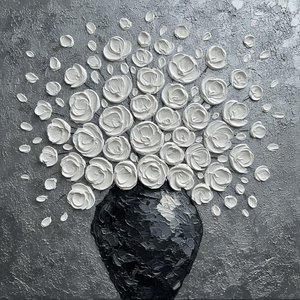
In the realm of abstraction, black and white photography becomes an exploration of pure composition. A photograph of architectural shadows, for instance, can be stripped of its context until it becomes a rhythmic pattern of dark bars against light surfaces. The distinction between the subject and the background dissolves, leaving only the mathematical beauty of contrast. This fluidity—the ability to move from the deeply personal to the purely formal—ensures that black and white photography remains a vital, breathing art form, capable of reinventing itself with every new generation of artists and collectors.
For those who find themselves moved by the enduring power of these monochromatic masterpieces, ArtsDot.com offers an unparalleled gateway to art history. Whether you seek a meticulously handcrafted oil reproduction that captures the tactile impasto of a classic era or a museum-quality Giclée print that preserves the delicate silver tones of a vintage photograph, our collection is curated for the discerning enthusiast. We specialize in bringing the profound depth of the masters into the modern home, offering everything from custom commissions to large-scale architectural murals. Discover the timeless elegance of light and shadow through our global gallery of fine art.