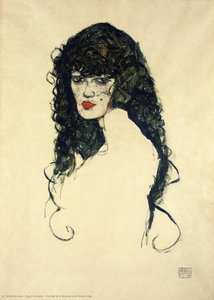
The Genesis of Agony: Defining the Expressionist Movement
To understand the profound impact of Expressionist portraiture, one must first look beyond the surface of mere representation and peer into the turbulent psyche of the early twentieth century. Unlike the Impressionists, who sought to capture the fleeting dance of light upon a landscape, the Expressionists turned their gaze inward, seeking to externalize the raw, often agonizing, realities of human existence. This movement emerged not as a desire for aesthetic beauty, but as a visceral reaction to the mounting anxieties of a modernizing world—a period marked by rapid industrialization and the looming shadows of global conflict.
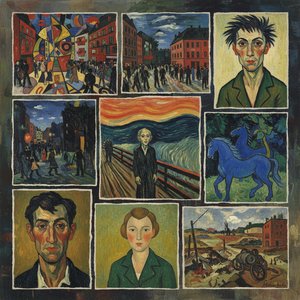
The essence of Expressionism lies in its rejection of objective reality. In these works, the artist does not paint what they see with the eye, but what they feel within the soul. This intentional distortion of form, color, and perspective serves as a visual language for the intangible: fear, alienation, ecstasy, and despair. By abandoning the constraints of naturalism, Expressionist painters liberated the canvas, allowing the brush to become an instrument of psychological truth. It is a movement where the subject's external features are often sacrificed to preserve the integrity of their internal emotional state.
Ultimately, this era redefined the purpose of portraiture. No longer was a sitter’s likeness merely a record of social status or physical grace; instead, it became a window into the subconscious. The movement laid the groundwork for much of modern art, proving that the most profound truths are often found in the shadows and the distortions of our own perceptions.
The Psychological Canvas: Decoding Symbolism and Distorted Form
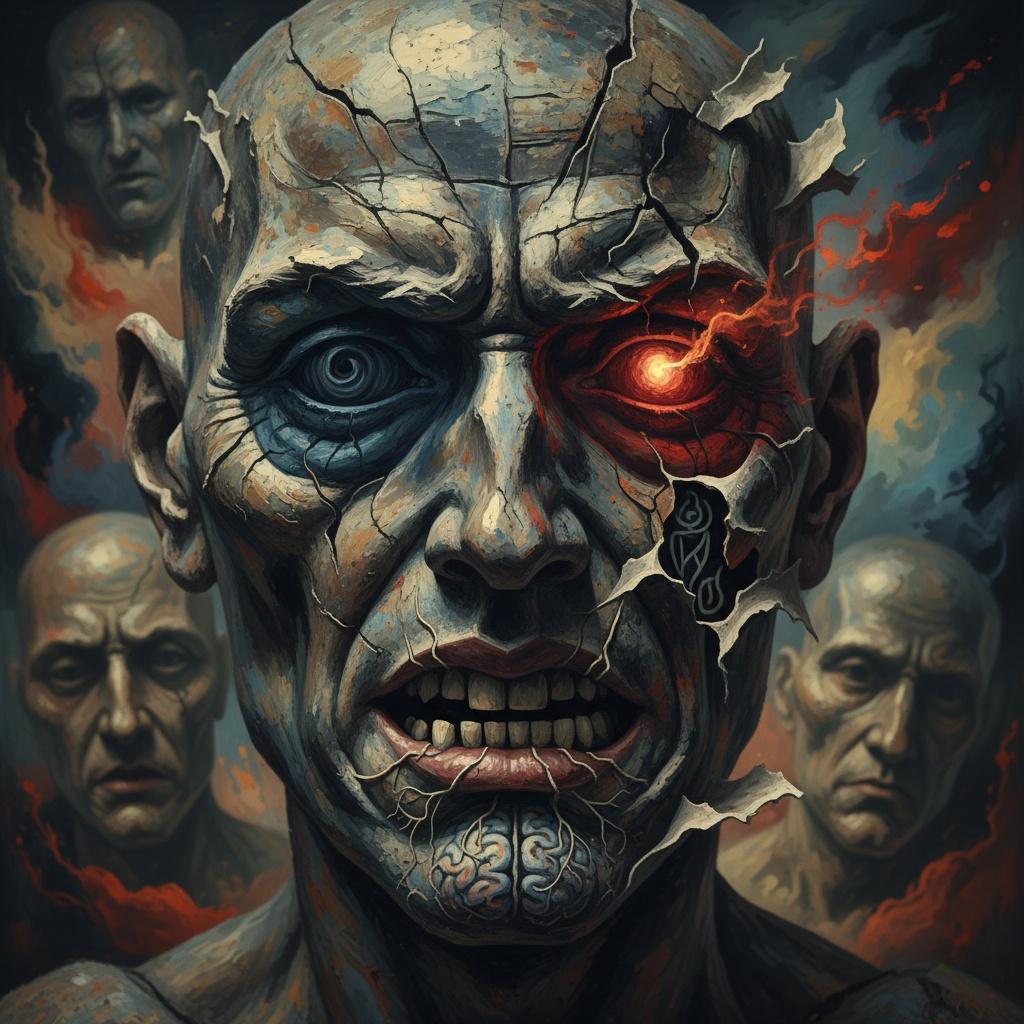
In the realm of Expressionist portraiture, every line and hue carries a heavy symbolic weight. The artist employs a deliberate vocabulary of distortion to communicate complex emotional landscapes that words often fail to capture. When we observe a face rendered with jagged, fractured lines or eyes that seem to gaze into an infinite void, we are witnessing the deliberate deconstruction of the self. These anatomical irregularities are not errors of technique but are calculated choices designed to evoke a sense of unease or profound introspection.
Color, too, plays a transformative role in this psychological theater. The palette of the Expressionist is rarely harmonious in the traditional sense; instead, it is often jarring and dissonant. Deep, bruised purples, sickly yellows, and aggressive reds are utilized to stir the viewer's temperament. A skin tone might shift toward an unnatural green to suggest decay or sickness, while a background of swirling, dark ochre might evoke the suffocating weight of existential dread. These chromatic choices act as emotional cues, guiding the observer through the sitter's internal struggle.
By decoding these symbols—the elongated limb, the clashing pigment, the claustrophobic composition—the viewer engages in a silent dialogue with the artist. To look upon an Expressionist portrait is to participate in an act of empathy, recognizing that the distortions on the canvas are reflections of the universal human condition. It is through this deliberate manipulation of form that the art achieves its most haunting and lasting resonance.
Masters of the Inner Self: Analyzing Schiele, Munch, and Neel
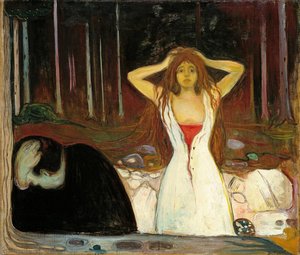
The pantheon of Expressionist masters provides a diverse study in how different hands navigate the depths of the human spirit. Perhaps no name is more synonymous with the movement's existential dread than Edvard Munch. His works, such as the haunting Ashes, utilize muted, somber tones and symbolic depth to explore themes of mortality and loss. In his portraits, the landscape often bleeds into the figure, suggesting a world where the boundaries between the individual and their environment are dissolving under the pressure of psychic trauma.
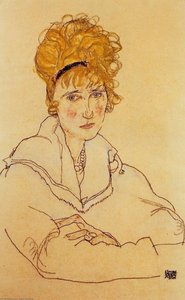
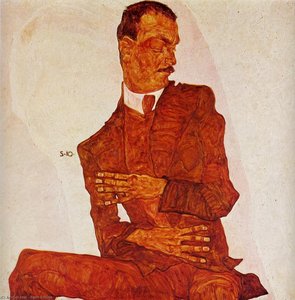
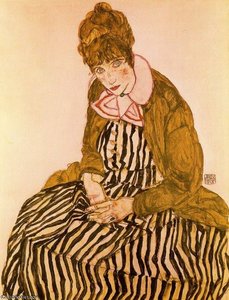
In stark contrast, the work of Egon Schiele offers a more visceral, almost eroticized exploration of vulnerability. His portraits are characterized by uniquely sharp, nervous lines and a raw, unshielded depiction of the human form. Schiele’s subjects often appear caught in moments of intense psychological tension, their bodies contorted in ways that suggest both physical fragility and an indomitable, albeit tortured, vitality. His ability to capture the very essence of adolescent angst and adult alienation remains unparalleled in the history of portraiture.
Moving into a more contemporary lineage, the work of Alice Neel provides a profound bridge between classical portraiture and modern psychological depth. In works like Untitled (416), Neel utilizes expressive lines and dark, surreal tones to capture the intricate layers of identity. Her portraits are masterclasses in introspection, often portraying figures that evoke feelings of both intimacy and alienation. Through her lens, we see the evolution of Expressionism as it continues to unmask the complexities of the human psyche in an ever-changing social landscape.
The Visceral Brushstroke: Texture as an Emotional Conduit
Beyond color and composition, the very physical texture of the paint serves as a conduit for emotion. In high-quality Expressionist reproductions, one can sense the impasto technique—the thick, heavy application of oil paint that creates a three-dimensional topography on the canvas. These visible, tactile brushstrokes are far more than mere decoration; they are the physical traces of the artist's movement and energy. Each ridge of dried pigment carries the rhythm of the hand that applied it, conveying a sense of urgency or labored struggle.
This texture adds a "living" quality to the artwork, allowing light to catch the edges of the paint and create shifting shadows across the surface. When viewing a piece inspired by this tradition, the eye does not simply glide over a flat image; it navigates a landscape of ridges and valleys. This tactile depth mirrors the complexity of the emotions being depicted. A smooth, blended surface might suggest a deceptive calm, whereas a rugged, heavily textured surface echoes the turbulence of an unsettled mind.
The interplay between the heavy-duty cotton canvas and premium pigments ensures that these textures remain preserved for generations. It is this emphasis on the physical presence of the medium that allows the spirit of the original masterpiece to endure, inviting the collector to experience the art not just as a visual phenomenon, of course, but as a tangible, emotional encounter.
Curating Intensity: Integrating Expressionist Portraits into Modern Interiors
Integrating the raw intensity of Expressionist portraiture into a modern interior requires a sophisticated approach to curation. Because these works are so emotionally charged, they function as powerful focal points that can define the entire atmosphere of a room. For the discerning collector, an Expressionist piece is not merely decor; it is an anchor for conversation and a testament to one's appreciation for the profound complexities of human nature.
When designing a space around such impactful art, consider the balance of the surrounding elements. A minimalist, contemporary room with neutral tones can provide a serene stage that allows the vibrant, often clashing colors of an Expressionist work to command undivided attention. Conversely, in more eclectic or maximalist settings, these portraits can harmonize with other textured elements, creating a layered, intellectually stimulating environment. The key is to allow the artwork enough "breathing room" to exert its psychological influence without being overwhelmed by surrounding clutter.
Whether you are looking to transform a large-scale wall with a multi-panel set or seeking a single, intimate piece for a study, the goal is to create a dialogue between the art and the architecture. By treating these portraits as essential components of the room's emotional architecture, you elevate your living space from a mere habitation to a curated gallery of human experience.
At ArtsDot.com, we are dedicated to preserving this legacy of human creativity. Our studio specializes in creating museum-quality, hand-painted oil reproductions that capture the very soul of the masters. From the meticulous layering of pigments to our ability to "remix" history through custom commissions, we provide collectors with the means to bring the profound depth of Expressionism into their own homes. Whether you seek a Giclée print or a bespoke oil masterpiece, our commitment to academic excellence ensures that every brushstroke honors the emotional truth of the original.