Introduction
To step into the world of Hieronymus Bosch is to abandon the familiar shores of reality and drift into a fever dream of unparalleled complexity. As we wander through this curated selection of his most profound works, we are not merely observing paint on oak; we are navigating the labyrinthine corridors of the human psyche. Bosch, the enigmatic master from ’s-Hertogenbosch, invites us to witness a universe where the boundaries between the divine, the demonic, and the earthly dissolve into a singular, breathtaking vision of moral struggle and cosmic imagination.
Born in the late 15th century amidst the religious fervor and folkloric richness of the Netherlands, Bosch operated within a culture deeply preoccupied with the eternal consequences of sin and the fragility of the soul. Yet, while his contemporaries often sought solace in the serene beauty of the Early Netherlandish tradition, Bosch chose a more challenging path. He utilized the meticulous precision of oil painting to render the impossible: hybrid creatures, architectural nightmares, and vast, panoramic landscapes that pulse with both terrifying chaos and a strange, haunting order. His work serves as a mirror to the late medieval soul—a period caught between the structured piety of the Middle Ages and the burgeoning uncertainties of a new era.
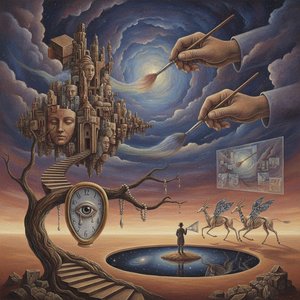
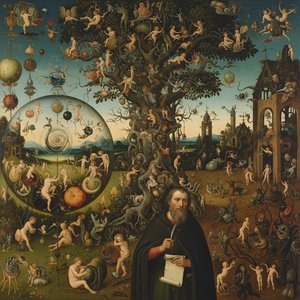
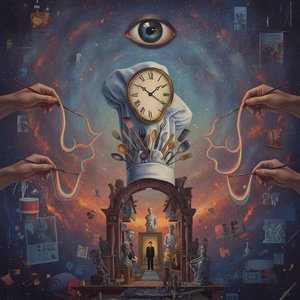
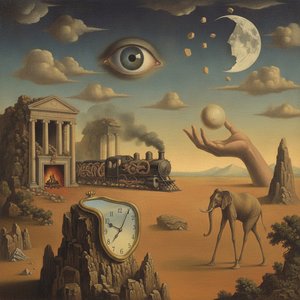
Why, centuries later, does his brushwork still command such profound reverence in the halls of our greatest museums? It is because Bosch’s imagery transcends the theological anxieties of his time to touch upon universal truths. His depictions of temptation, madness, and the grotesque remain strikingly relevant in our modern age of surrealism and psychological exploration. He was, perhaps, the first true surrealist, long before the movement had a name, capturing the fragmented nature of thought and the deep-seated shadows of the subconscious.
In the following collection, we invite you to examine twenty-five of his most significant masterpieces. From the sprawling, epic narratives that depict the rise and fall of humanity to the intimate, unsettling vignettes of singular creatures, each piece offers a window into a mind that saw the world not as it appeared, but as it felt in its most profound moments of terror and wonder. Prepare to lose yourself in the intricate textures and symbolic depths of a true visionary.
The Garden of Earthly Delights - Hieronymus Bosch
 The Garden of Earthly Delights - Hieronymus Bosch
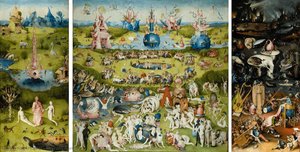
To stand before The Garden of Earthly Delights is to enter a fever dream of the Northern Renaissance, a work that remains perhaps the most enigmatic entry in our collection of the top 25 artworks of Hieronymus Bosch . This monumental triptych functions as a profound moral odyssey, guiding the viewer from the pristine innocence of Eden through a chaotic, sensual landscape of temptation, and finally into the harrowing, cacophonous depths of a personalized Hell.
Bosch utilizes a mesmerizing language of symbolism—where oversized strawberries signify fleeting pleasures and grotesque hybrid creatures embody human vice—to create a visual narrative that feels strikingly modern. In an era of digital surrealism, the painting’s hallucinatory imagery and intricate, layered textures resonate deeply with contemporary aesthetics of the uncanny. It is not merely a religious warning but a sophisticated psychological study of desire and consequence. For the discerning collector or curator, this masterpiece offers an unparalleled depth of storytelling, inviting endless re-examination of the delicate boundary between paradise and perdition.
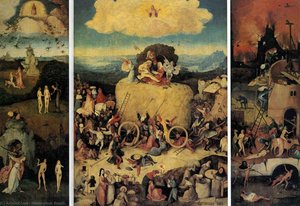
The Haywain Triptych - Hieronymus Bosch
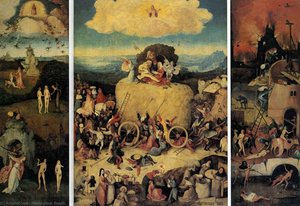 The Haywain Triptych - Hieronymus Bosch
To gaze upon The Haywain Triptych is to witness a profound moral odyssey captured in oil and wood. Created around 1504, this masterpiece stands as a cornerstone of Bosch’s legendary repertoire, earning its place among the top 25 artworks of Hieronymus Bosch through its unparalleled narrative complexity. The work unfolds like a fever dream: from the deceptive serenity of the left panel to the central chaos of humanity pursuing fleeting pleasures around a golden haywain, culminating in the harrowing, dark shadows of the right panel’s inferno.
Bosch utilizes a rich, warm palette of ochre and deep crimson to illustrate the seductive nature of sin and the inevitable weight of judgment. It is a visual manifesto on the fragility of virtue. At ArtsDot.com, we believe such powerful imagery should not be confined to the halls of the Museo del Prado. Whether through a meticulous hand-painted oil reproduction or a sophisticated museum-quality print, we bring this historical intensity into your private sanctuary, transforming a modern wall into a profound conversation piece that reflects both heritage and an uncompromising, avant-garde spirit.
The Last Judgement (detail) - Hieronymus Bosch
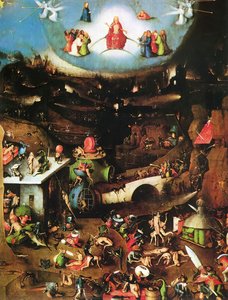 The Last Judgement (detail) - Hieronymus Bosch
To gaze upon the intricate details of The Last Judgement (detail) by Hieronymus Bosch is to surrender to a fever dream of the Northern Renaissance. Created around 1505, this fragment serves as a harrowing window into the artist's most profound theological anxieties. Within this composition, Bosch masterfully orchestrates a cosmic duality; a serene, divine light descends from the upper heavens, only to be swallowed by a cavernous, subterranean chaos. The palette is a visceral study in contrasts—deep, earthy ochres and bruised blacks define the infernal landscape, punctuated by sudden, violent flashes of crimson and sulfurous yellow.
Every meticulous brushstroke reveals a world teeming with hybrid monstrosities and the agonizing weight of human sin. Bosch’s ability to render such grotesque textures with academic precision creates an unsettling intimacy that transcends the centuries. As one of the most significant works in our collection of the top 25 artworks of Hieronymus Bosch, this piece remains a powerful testament to the enduring capacity of art to confront the shadows of the human psyche, offering a profound emotional resonance that continues to transform modern interiors into spaces of deep contemplation.
Triptych of Temptation of St Anthony - Hieronymus Bosch
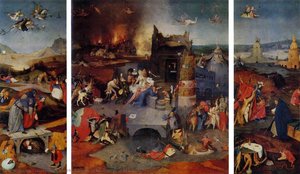 Triptych of Temptation of St Anthony - Hieronymus Bosch
To gaze upon the Triptych of the Temptation of St. Anthony by Hieronymus Bosch is to step directly into a fever dream of the soul, where the boundaries between the divine and the demonic dissolve into a chaotic, vibrant landscape. This masterpiece earns its place in our prestigious Top 25 collection through its unparalleled ability to provoke profound psychological intrigue; it is a visual symphony of moral struggle, populated by grotesque hybrids and sinuous, nightmarish creatures that predate Surrealism by centuries.
Bosch utilizes a masterful oil technique on wood panels, layering earthy ochres and fiery reds to create a claustrophobic yet mesmerizing atmosphere of spiritual warfare. The sheer density of symbolism—from flying beasts to instruments of torment—offers an inexhaustible narrative depth that continues to captivate the modern eye. At ArtsDot.com, we believe such transformative beauty should not be confined to museum vaults. Through our exquisite, hand-painted oil reproductions, you can invite this profound sense of history and dramatic tension into your own private gallery, bringing the haunting, prestigious legacy of Bosch into the heart of your contemporary home or professional space.
Christ Carrying the Cross (10) - Hieronymus Bosch
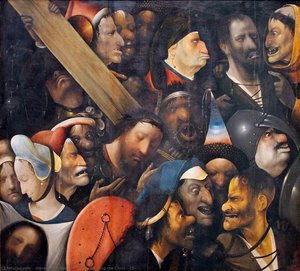 Christ Carrying the Cross (10) - Hieronymus Bosch
In Christ Carrying the Cross (10) , the lines of Bosch’s brush are not merely drawn; they are choreographed in a somber, rhythmic procession. This is not a static composition of suffering, but a dance frozen in time, where the heavy weight of the cross moves through a sea of humanity. Within this crowded scene from 1515, Bosch masterfully balances the chaotic energy of the surrounding figures with a profound, quiet resignation at the center.
The palette is dominated by deep, nocturnal tones that underscore the gravity of the Passion, yet sudden splashes of crimson and azure draw the eye through the throng, highlighting individual expressions of cruelty and compassion. Elements like the enigmatic clock serve as silent witnesses to the passing of time and the inevitability of fate. As you contemplate this masterpiece from the top 25 artworks of Hieronymus Bosch , consider how such a powerful tension between chaos and harmony could transform your own space. What if your walls could breathe this same rhythmic intensity, holding a balance that makes even the most turbulent moments feel like a cohesive, historical narrative?
Ecce Homo - Hieronymus Bosch
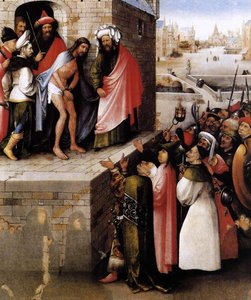 Ecce Homo - Hieronymus Bosch
Long before Bosch became the architect of nightmarish visions, his early work Ecce Homo (1475) revealed a startlingly raw psychological depth that predates his more famous surrealist landscapes. In this profound depiction of Christ's presentation, we encounter a masterclass in late medieval tension. Rather than a serene religious icon, Bosch presents a visceral tableau where the stark brick backdrop and the scattered swords serve as silent witnesses to human cruelty and spiritual upheaval.
The technical brilliance lies in his ability to weave complex symbolism—such as the dog representing repentance and the monkey signaling moral decay—into a composition that feels both intimate and cosmically heavy. The unflinching realism of Christ’s suffering, rendered with meticulous detail, anchors the viewer in a moment of pure, unadulterated emotion. For the discerning collector, possessing a reproduction of such an intense, contemplative masterpiece brings a sense of gravity and intellectual rigor to a modern study or home office, fostering an environment of deep thought and historical connection.
Christ Mocked (The Crowning with Thorns) - Hieronymus Bosch
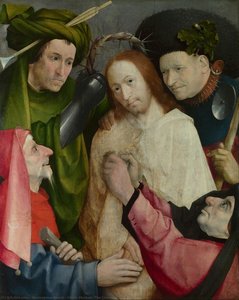 Christ Mocked (The Crowning with Thorns) - Hieronymus Bosch
What story does the claustrophobic, shadow-drenched environment in Christ Mocked (The Crowning with Thorns) by Hieronymus Bosch tell us about the fragility of the human soul? Painted around 1510, this oil-on-oak masterpiece emerged from a period of profound religious tension, breaking ground by moving beyond mere biblical illustration into a visceral, psychological exploration of cruelty. As one of the most significant entries in our collection of the top 25 artworks of Hieronymus Bosch , it confronts the viewer with a brutal tableau: torturers in envious green garments wield axes and hammers, their faces contorted with sadistic glee, while Christ remains a pillar of serene, tragic dignity.
For the discerning collector or interior designer, integrating such a profound piece into a curated space offers more than mere decoration; it provides a window into history’s most haunting narratives. The painting’s intense emotional depth and masterful use of symbolic tools—from the spade to the bowl—create an atmospheric gravity that anchors a room, offering a sophisticated escape into the complex, surrealist textures of the Dutch Renaissance.
Mankind Beset by Devils (reverse of Rebel Angels panel) - Hieronymus Bosch
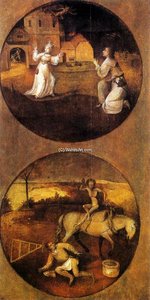 Mankind Beset by Devils (reverse of Rebel Angels panel) - Hieronymus Bosch
In Mankind Beset by Devils , a bruised and sickly purple dominates the shadows, casting an atmosphere of profound psychological unrest and moral decay. This palette, characteristic of Hieronymus Bosch’s most unsettling visions, utilizes deep, somber tones to anchor the surreal interactions between the figures. The mastery of this work lies in how Bosch uses these heavy, nocturnal hues to contrast with sudden, piercing highlights, creating a tension that has secured its place among the top 25 artworks of Hieronymus Bosch . For the discerning interior designer or collector, this piece offers a masterclass in dramatic lighting; the painting’s moody, chiaroscuro-driven energy can be used to anchor a sophisticated dining room or a private study, providing a focal point that commands contemplative silence. Integrating such a complex color scheme allows one to curate a space defined by mystery and intellectual depth, where the interplay of light and shadow evokes the same captivating, nightmarish elegance found in Bosch’s most legendary Netherlandish masterpieces.
St John the Evangelist on Patmos - Hieronymus Bosch
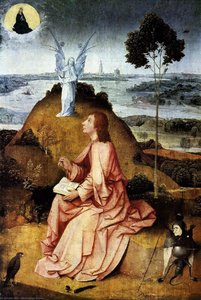 St John the Evangelist on Patmos - Hieronymus Bosch
In St John the Evangelist on Patmos by Hieronymus Bosch, the master of the surreal employs a profound use of chiaroscuro to bridge the gap between the earthly and the divine. The light does not merely illuminate; it pierces through the shadows of the rocky landscape, casting an ethereal glow upon the contemplative figure of St. John. This dramatic interplay of light and dark—where soft, celestial radiance meets the heavy, brooding textures of the Netherlandish terrain—is precisely what secures this work's place among the top 25 artworks of Hieronymus Bosch . The way the illumination catches the delicate plumage of the surrounding angels creates a sense of spiritual movement that feels both haunting and holy.
For the discerning collector, possessing a high-quality reproduction of this masterpiece offers more than mere decoration; it introduces a sophisticated layer of psychological depth to a contemporary interior. When rendered as a hand-painted oil reproduction , the visible brushstrokes capture the original's luminous gradations, allowing the dramatic shadows to add an unmistakable sense of luxury and historical gravity to any curated wall.
Death and the Miser - Hieronymus Bosch
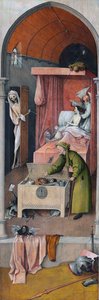 Death and the Miser - Hieronymus Bosch
What story does the claustrophobic, shadow-drenched environment in Death and the Miser by Hieronymus Bosch tell? It is a narrative of spiritual struggle, emerging from the late medieval preoccupation with the ars moriendi —the art of dying well. In this chilling masterpiece, Bosch breaks ground by moving beyond mere religious iconography to present a visceral, psychological battleground between avarice and salvation. The scene is thick with tension: a skeletal Death looms over a dying man, while demonic figures emerge from a chest of coins, contrasting sharply with the ethereal light of an approaching angel.
The muted earth tones and meticulous textures of the oil on panel evoke a sense of profound historical weight, making it a cornerstone among the top 25 artworks of Hieronymus Bosch. For the modern collector or interior designer, such a piece offers more than mere decoration; it provides a profound intellectual escape into the depths of human morality. Integrating this level of symbolic complexity into a curated space invites a conversation about history and the enduring mystery of the soul, transforming a room into a private gallery of contemplative thought.
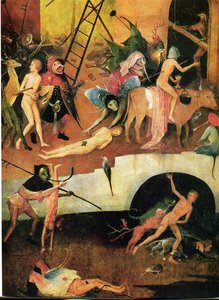
Christ's Descent into Hell - Hieronymus Bosch
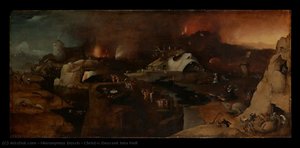 Christ's Descent into Hell - Hieronymus Bosch
In Christ's Descent into Hell , Hieronymus Bosch delivers a visceral masterclass in psychological depth, capturing the raw tension between divine hope and infernal chaos. As one of the most profound entries in our collection of the top 25 artworks of Hieronymus Bosch , this piece stands as a monumental achievement in Netherlandish storytelling. The composition plunges the viewer into a claustrophobic abyss, where a palette of scorched ochre, deep umber, and flickering flame-yellow creates an atmosphere of profound moral weight.
Bosch’s ability to weave meticulous detail with surreal, jagged forms offers a striking precursor to modern dark surrealism. For the contemporary collector or interior designer, the painting’s dramatic chiaroscuro and intense, warm tones provide a powerful focal point for spaces that demand character and intellectual gravity. It is not merely a religious narrative of the Harrowing of Hell; it is a sensory experience of texture and light that continues to haunt and inspire, bridging the gap between medieval theology and the avant-garde aesthetics of today.
The Cure of Folly (Extraction of the Stone of Madness) - Hieronymus Bosch
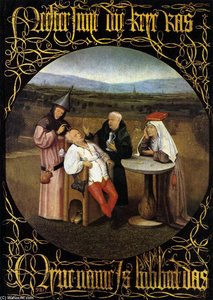 The Cure of Folly (Extraction of the Stone of Madness) - Hieronymus Bosch
In The Cure of Folly (Extraction of the Stone of Madness) , one is immediately struck by the meticulous, almost clinical precision of Bosch’s brushwork. The texture of the oil on panel reveals a profound mastery of Northern Renaissance realism, where every fine line—from the surgeon's steady hand to the delicate, ironic placement of the tulip—carries immense symbolic weight. This work stands as a cornerstone in our collection of the top 25 artworks of Hieronymus Bosch because it captures the palpable tension of the late medieval era, blending grotesque medical imagery with a haunting, dreamlike atmosphere.
At ArtsDot.com, we believe such profound historical narratives deserve more than a flat digital print. Our artisans specialize in recreating this tactile, three-dimensional quality , using heavy impasto and layered oils to ensure the visible brushstrokes and deep tonal ranges of Bosch’s original vision are preserved. We bring the unsettling beauty of this surreal masterpiece into your private collection, offering a high-end reproduction that honors the true materiality and soul of Bosch's legendary craftsmanship.
St Jerome in Prayer - Hieronymus Bosch
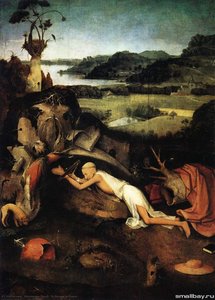 St Jerome in Prayer - Hieronymus Bosch
In the haunting depths of St Jerome in Prayer , Hieronymus Bosch invites us into a visceral landscape where spiritual devotion meets psychological unrest. This masterpiece, completed around 1505, earns its place among the top 25 artworks of Hieronymus Bosch through its profound ability to evoke the anxieties of the Renaissance soul. Through a masterful use of dramatic chiaroscuro and a muted, earthy palette of deep greens and somber browns, Bosch captures the Saint’s legendary penance with an unsettling, Mannerist intensity.
The composition is a labyrinth of symbolism; the presence of a dead deer and wild creatures serves as a potent metaphor for temptation and human vulnerability. It is this very tension—the interplay between light and shadow, and the sacred and the grotesque—that makes the work an irreplaceable pillar of art history. At ArtsDot.com, we believe such profound beauty should be accessible to all. By commissioning a high-fidelity, hand-painted oil reproduction, you can bring this transformative, enigmatic presence into your own home or private gallery, allowing Bosch’s visionary world to inspire a sense of deep contemplation and historical grandeur in any modern interior.
Adoration of the Magi (central panel) - Hieronymus Bosch
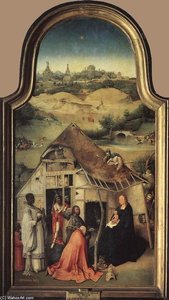 Adoration of the Magi (central panel) - Hieronymus Bosch
There is a gaze in Adoration of the Magi (central panel) by Hieronymus Bosch that follows you—not with judgment, but with a profound, unsettling understanding . This masterpiece from 1510 is far more than a biblical depiction; it is a mirror reflecting the delicate tension between the sacred and the grotesque. As you navigate the rich, saturated oils and the luminous skin of the Christ child, you are simultaneously confronted by the bizarre creatures and hybrid beasts that populate Bosch’s visionary landscape.
In this essential entry of the top 25 artworks of Hieronymus Bosch, the artist masterfully juxtaposes the serene presence of the Virgin Mary against a world teeming with human anxiety and spiritual chaos. To possess such a work—or even its faithful reproduction—is to invite a psychological journey into your space. It does not merely decorate a wall; it reminds you that you are part of a much larger, more mysterious story, where every brushstroke captures the very essence of late medieval religious fervor and the eternal duality of nature.
St Agnes with the Donor (right wing, detail) - Hieronymus Bosch
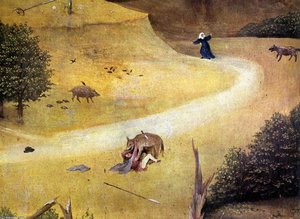 St Agnes with the Donor (right wing, detail) - Hieronymus Bosch
To behold the St Agnes with the Donor (right wing, detail) by Hieronymus Bosch is to peer into a fractured window of the Northern Renaissance, where the divine and the demonic dance in a delicate, unsettling equilibrium. This exquisite fragment earns its place among the top 25 artworks of Hieronymus Bosch through its profound ability to evoke both spiritual purity and visceral earthly anxiety. Within this detail, Bosch’s meticulous oil technique breathes life into a landscape of symbolic tension; one can almost feel the textured fur of the encroaching wolves and the stark, barren path that represents the arduous journey toward salvation.
For the discerning collector or interior designer, this piece offers more than mere decoration; it provides a profound narrative depth. The interplay of light upon St. Agnes’s innocence against the shadowed, predatory elements creates a sophisticated visual drama that resonates beautifully within a refined, contemporary gallery space. It is a masterclass in symbolism, where every bird, lamb, and distant tree serves as a testament to Bosch's unparalleled imaginative legacy and his enduring influence on the history of surrealist thought.
The Arrest of Christ, Jheronimus Bosch (manner of), c. 1530 - c. 1550 - Hieronymus Bosch
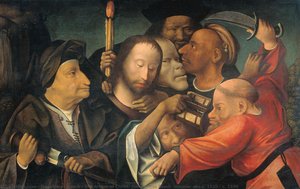 The Arrest of Christ, Jheronimus Bosch (manner of), c. 1530 - c. 1550 - Hieronymus Bosch
To encounter The Arrest of Christ (manner of Jheronimus Bosch) is to step into a visceral, nightmarish tableau where the boundaries between biblical history and psychological unrest dissolve. This evocative work, dating from approximately 1530–1550, captures a moment of profound spiritual tension under the harsh, flickering glare of torchlight. The composition is thick with drama: Christ remains a figure of quiet resignation, even as soldiers press in with steel and shadows. Nearby, the righteous fury of St. Peter erupts in a violent struggle with Malchus, a scene rendered with such meticulous, unsettling detail that the viewer feels the very heat of the lantern and the weight of the chaos.
Every figure serves as a symbolic vessel for Bosch’s exploration of betrayal and moral decay, from the grotesque caricature of Judas to the distorted faces of greed. Owning a piece of this legacy is not merely an acquisition; it is an inheritance of taste. Through ArtsDot, this lineage of profound symbolism is brought to your walls, allowing you to curate a space that resonates with the enduring, haunting mastery of the Dutch Renaissance.
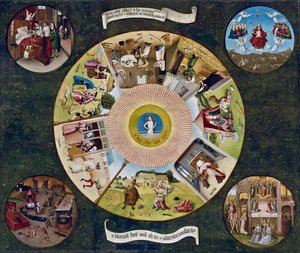
The Seven Deadly Sins and the Four Last Things - Hieronymus Bosch
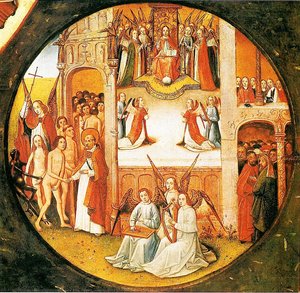 The Seven Deadly Sins and the Four Last Things - Hieronymus Bosch
In The Seven Deadly Sins and the Four Last Things , Hieronymus Bosch orchestrates a profound, moralizing spectacle that remains one of the most intellectually arresting entries in our collection of his top 25 artworks. This masterpiece functions as a visual encyclopedia of the human soul, where the vibrant, meticulous oil layers on oak panel reveal a sprawling panorama of vice and virtue. Bosch masterfully intertwines the grotesque manifestations of Pride, Gluttony, and Lust with the sobering inevitability of Death, Judgment, Heaven, and Hell.
The painting’s complex circular composition and rich, symbolic language offer a sensory journey through late medieval anxiety and spiritual hope. For the modern collector or interior designer, this work provides an unparalleled focal point; its intricate textures and deep, allegorical shadows command attention in any sophisticated space, much like a curated historical artifact. It is not merely a depiction of sin, but a timeless meditation on accountability and the cyclical nature of existence, making it a cornerstone of Bosch’s enduring, surrealist legacy.
Saint Christopher - Hieronymus Bosch
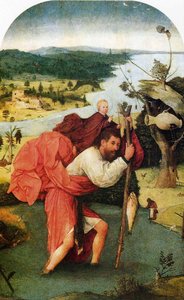 Saint Christopher - Hieronymus Bosch
In the vast, surreal landscape of Hieronymus Bosch’s imagination, Saint Christopher emerges as a profound meditation on the weight of devotion and the fragility of the human spirit. This masterpiece captures a moment of divine encounter, where the monumental figure of the saint carries the Christ Child across turbulent waters, embodying a tension between earthly struggle and spiritual grace. As one of the most significant entries in our collection of the top 2abilities 25 artworks of Hieronymus Bosch, this piece is celebrated for its hauntingly beautiful juxtaposition of vulnerability and strength.
The visual language of the work—rich with meticulous detail and unsettling avian symbolism—offers a masterclass in Northern Renaissance storytelling. The three circling birds serve as enigmatic messengers of mortality and temptation, weaving a narrative that feels remarkably modern in its psychological depth. For the discerning collector or interior designer, integrating such a piece into a curated space brings an unparalleled sense of historical gravity and intellectual intrigue. Its ability to evoke both awe and contemplation makes it a cornerstone for any serious gallery, bridging the gap between late medieval piety and contemporary fascination with the subconscious.
Noah's Ark on Mount Ararat (obverse) - Hieronymus Bosch
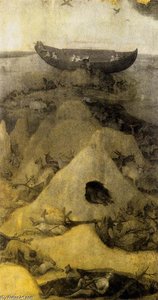 Noah's Ark on Mount Ararat (obverse) - Hieronymus Bosch
In Noah's Ark on Mount Ararat (obverse) by Hieronymus Bosch, the artist achieves a profound structural equilibrium that belies the chaotic subject matter. The composition is anchored by the monumental, ascending silhouette of the Ark, which creates a powerful diagonal axis against the rugged peaks of Ararat. This geometric stability provides a necessary counterpoint to the teeming, surreal life surrounding the vessel. Bosch utilizes a masterful balance of weight and negative space, where the heavy, timbered mass of the boat is offset by the delicate, rhythmic movement of birds in flight and scattered figures across the landscape.
This internal harmony creates a sense of timeless perfection, making it an essential pillar among the top 25 artworks of Hieronymus Bosch . Interestingly, the painting’s ability to ground its fantastical elements through a clear, organized structure mirrors the principles of modern minimalist design; it offers a focal point that is both visually arresting and intellectually centered. For the sophisticated collector, this work provides a captivating tension between the grotesque and the orderly, perfect for adding historical depth to a contemporary, curated space.
Two Male Heads - Hieronymus Bosch
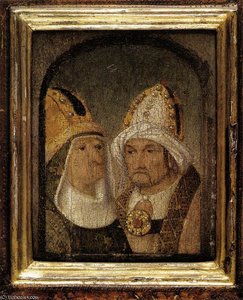 Two Male Heads - Hieronymus Bosch
To encounter Two Male Heads by Hieronymus Bosch is to step into a silent, psychological confrontation that has endured since approximately 1480. This work, held within the Museum Boijmans Van Beuningen, transcends simple portraiture; it is an intimate study of gaze and gravity. The painting captures two figures in ecclesiastical robes, their faces—one weathered with a beard, the other possessing a youthful clarity—locked in an intense, unspoken dialogue. Bosch utilizes his mastery of oil on oak to create a luminous, tactile surface where the subtle gradations of light emphasize the weight of their contemplation.
The presence of mitres introduces a layer of profound religious symbolism, suggesting themes of papal authority and the heavy burden of spiritual leadership. As you observe the tension in their eyes, you are witnessing the very essence of Bosch’s preoccupation with moral ambiguity and the human condition. Owning a piece of this legacy through ArtsDot’s hand-painted reproductions allows you to bring this lineage of taste into your own collection, transforming your walls into a gallery where the profound mysteries of the Dutch Renaissance continue to breathe.
Marriage Feast at Cana - Hieronymus Bosch
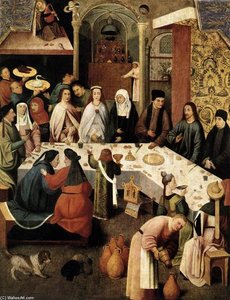 Marriage Feast at Cana - Hieronymus Bosch
Owning Marriage Feast at Cana by Hieronymus Bosch isn’t merely a purchase; it is an inheritance of one of the most profound psychological landscapes in art history. In this masterpiece, Bosch transcends the biblical miracle of the multiplication of loaves and fishes to present a sprawling, sensory feast that oscillates between celebration and profound spiritual anxiety. The composition draws the eye across a long, crowded table, where the luster of fine vessels and the abundance of bowls contrast with an underlying sense of late medieval unease.
As you navigate this scene, you encounter a meticulously layered world: the tactile presence of dogs, the rhythmic placement of vases, and a crowd that feels both festive and claustrophobic. Through his signature use of oil and tempera glazing, Bosch creates a luminous yet unsettling depth that invites endless scrutiny. To possess such a work is to embrace a lineage of taste ; with ArtsDot, this legacy moves from the museum archives directly to your walls, allowing you to live amidst the beautiful, nightmarish brilliance of the Dutch Renaissance master.
Paradise - Hieronymus Bosch
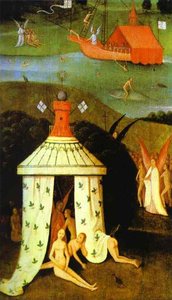 Paradise - Hieronymus Bosch
Before the chaos of human indulgence takes hold, there exists a moment of profound, untouched serenity. In the opening panel of his most famous triptych, Paradise by Hieronymus Bosch, we are invited into a pristine Eden, a realm where the air feels heavy with divine grace and the light possesses an ethereal, unblemished clarity. This work stands as a cornerstone in our collection of the top 25 artworks of Hieronymus Bosch because it captures the artist at his most luminous, prior to the descent into the grotesque.
The scene is a masterclass in meticulous Netherlandish detail; one can almost sense the delicate texture of the flora and the soft, rhythmic movement of angels presiding over a gathering of souls. Bosch utilizes a palette of vibrant, life-giving hues and precise brushwork to depict figures interacting around architectural marvels with a sense of innocent curiosity. It is a breathtaking vision of creation that serves as a hauntingly beautiful prelude to the moral complexities that follow. To possess such a piece is to bring a window into the sublime into one's own home, offering a timeless meditation on purity and the eternal origins of the human spirit.
Head of a Halberdier (fragment) - Hieronymus Bosch
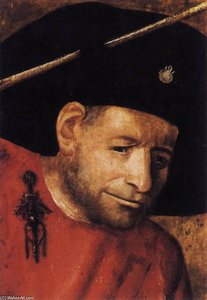 Head of a Halberdier (fragment) - Hieronymus Bosch
In the quiet corridors of the Museo Nacional del Prado, Hieronymus Bosch’s Head of a Halberdier (fragment) offers a hauntingly intimate window into a lost world. As one of the most psychologically arresting entries in our collection of the top 25 artworks of Hieronymus Bosch, this fragment transcends its modest scale to deliver a concentrated burst of spiritual intensity. The subject’s downward gaze, caught between grim resignation and deep contemplation, embodies the profound theological anxieties of the late fifteenth century.
The technical mastery on display—characterized by luminous glazes and a masterful use of chiaroscuro —creates a three-dimensional presence that feels remarkably modern. The subtle interplay of light across weathered skin and the somber, earthy tones provide a sense of historical gravity. For the sophisticated collector or interior designer, this piece serves as an exquisite focal point; its muted golds and dramatic shadows bring an unparalleled intellectual depth and a sense of timeless, melancholic elegance to any curated space.
Group of Victims - Hieronymus Bosch
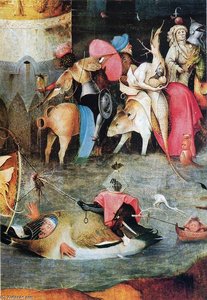 Group of Victims - Hieronymus Bosch
Acquiring a piece as profound as Group of Victims by Hieronymus Bosch is more than an acquisition; it is an investment in a legacy of unparalleled imaginative depth and historical prestige. As one of the most significant entries in our curated selection of the top 25 artworks of Hieronymus Bosch, this masterpiece commands attention through its visceral exploration of late medieval anxieties. The composition unfolds like a fever dream along a riverbank, where the meticulous application of oil paint creates a luminous yet unsettling atmosphere. Bosch’s technical mastery is evident in the way light dances across shields, swords, and the textured hides of wandering livestock, weaving a complex tapestry of moral allegory.
The painting's enduring market value and influence on surrealism confirm its status as a cornerstone of art history. For the discerning collector or interior designer, a high-quality, hand-painted reproduction of this work offers a commanding presence. Its intricate details and rich, symbolic shadows provide an unparalleled aesthetic authority, bringing a sense of intellectual depth and historical grandeur to modern luxury interiors.
Haywain( detail) - Hieronymus Bosch
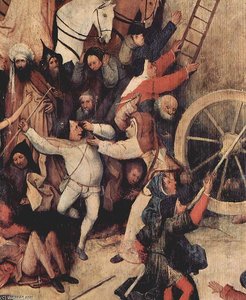 Haywain( detail) - Hieronymus Bosch
To encounter a detail from Haywain by Hieronymus Bosch is to step directly into the fevered, symbolic landscape of the late medieval mind. This is not mere decoration; it is an invitation to witness the unsettling drama of human folly. Within this fragment, we find a tableau steeped in moral reckoning, where figures congregate around a central mystery with postures suggesting a mixture of morbid curiosity and complicity.
Bosch masterfully weaves the mundane with the nightmarish. The presence of a sturdy horse and a utilitarian wheelbarrow grounds the chaos in reality, yet the scattered swords piercing the composition speak to internal conflicts and the sharp edges of judgment. Through meticulous Netherlandish technique, Bosch creates rich, saturated colors and suffocating shadows that heighten the palpable sense of foreboding. For the discerning collector, owning such a vision means more than possessing art; it is about surrounding yourself with the genius of a master who dared to confront humanity’s darkest undercurrents, transforming your space into a true gallery of the soul.
Conclusion
To wander through the surreal landscapes of Hieronymus Bosch is to embark on a pilgrimage through the deepest recesses of the human psyche. His masterpieces do not merely exist as relics of a bygone Netherlandish era; they breathe with a restless, eternal energy that continues to challenge our perceptions of morality, imagination, and the sublime. As we conclude this journey through his most profound visions, we are reminded that true art does not belong solely within the silent, climate-controlled halls of a museum. It finds its highest purpose when it enters our daily lives—when the intricate textures of a hand-painted brushstroke and the haunting depth of his symbolic worlds become part of the very atmosphere of our homes.
There is a profound grace in bringing such evocative power into your personal sanctuary. Whether it is the meticulous detail of a custom oil reproduction or the striking presence of a large-scale canvas, these works serve as daily meditations on the complexity of existence and the boundless reach of human creativity. We invite you to move beyond mere observation and toward a deeper connection with this enigmatic master. By selecting a piece from our full collection , you are not simply decorating a wall; you are curating an experience, inviting a timeless dialogue between the shadows of the past and the light of your contemporary space. Let these extraordinary visions inspire wonder, provoke thought, and lend a soulful, historical resonance to the architecture of your life.