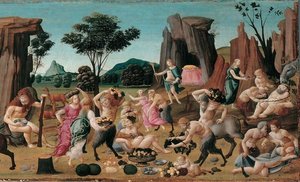
Bartolomeo di Giovanni: The Silent Student of Florentine Genius
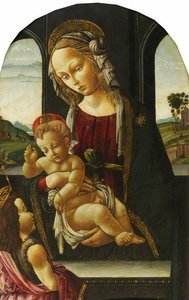
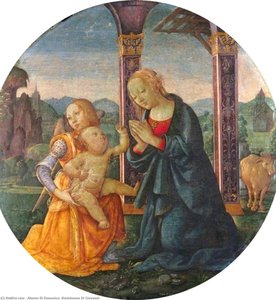
Bartolomeo di Giovanni, a name often overshadowed by the brilliance of his contemporaries, remains a captivating figure in 15th-century Florentine art. Known primarily through the designation “Alunno di Domenico” – meaning “student of Domenico Ghirlandaio” – this elusive artist’s legacy rests largely on his crucial contributions to the famed Ospedale degli Innocenti frescoes and predella panels, revealing a unique artistic voice within the bustling workshop of one of Florence's most celebrated masters. His life was tragically short, ending in his early thirties, yet his work offers a poignant glimpse into the evolution of Renaissance painting and the subtle interplay between master and pupil.
Born around 1458 in Florence, Bartolomeo’s origins remain somewhat shrouded in mystery. He was likely apprenticed to Domenico Ghirlandaio, a position that afforded him invaluable experience and access to the latest artistic techniques. Ghirandaio's workshop was a crucible of innovation, attracting talented young artists eager to hone their skills – and Bartolomeo undoubtedly benefited immensely from this environment. While his early life is sparsely documented, archival research has firmly established his identity beyond the simple label of “student,” revealing him as a distinct artist with a developing style.
The Predella Panels: A Window into Artistic Innovation
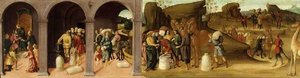
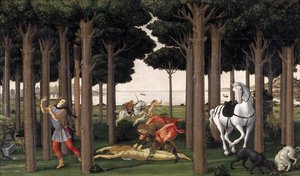
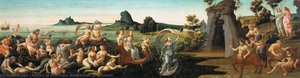
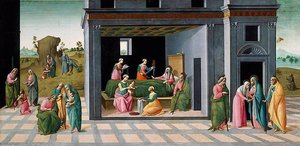
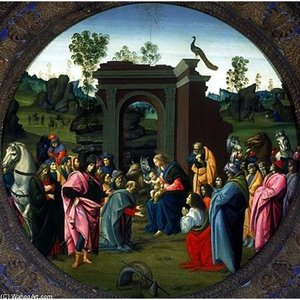
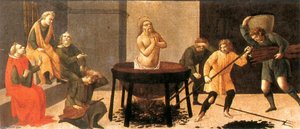
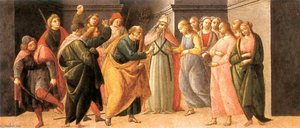
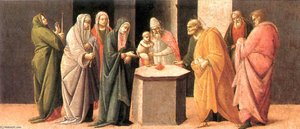
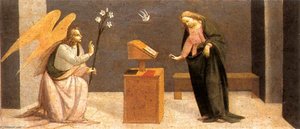
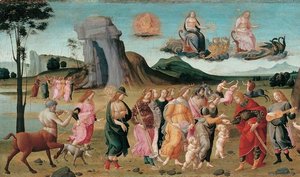
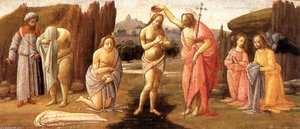
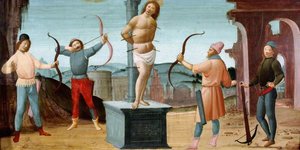
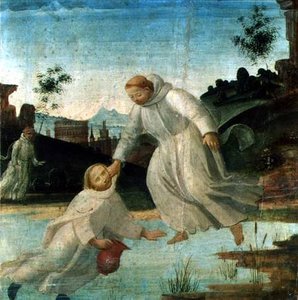
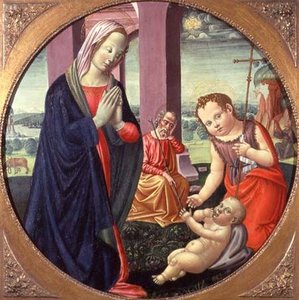
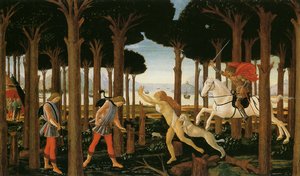
Bartolomeo’s most significant contribution to art history lies in his execution of predella panels – the small, narrative scenes that adorned the altarpieces of the late 15th century. These panels, particularly those he completed for Domenico Ghirlandaio's Adoration of the Magi (1488) at the Ospedale degli Innocenti, are remarkable for their emotional depth and subtle stylistic departures from the prevailing conventions. The scenes depict episodes from the life of St. John the Baptist – a subject frequently chosen for its devotional appeal – showcasing Bartolomeo’s skill in portraying human figures with a delicate grace and expressive quality.
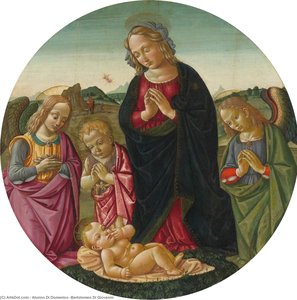
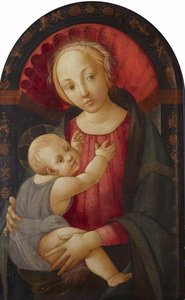
What distinguishes Bartolomeo's work is not a radical departure, but rather a refinement of Ghirlandaio’s style. He retained the master’s characteristic use of bright colors, meticulous detail, and balanced compositions, yet infused his scenes with a greater sense of intimacy and psychological realism. Notably, he employed a looser brushstroke and a more expressive handling of drapery than Ghirlandaio, hinting at a developing personal style. The “Scenes from the Life of St John the Baptist” are particularly noteworthy for their evocative storytelling and the artist’s ability to capture fleeting moments of emotion.
Influences and Artistic Development
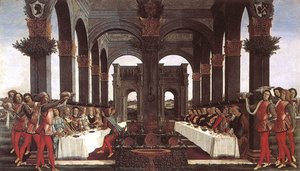
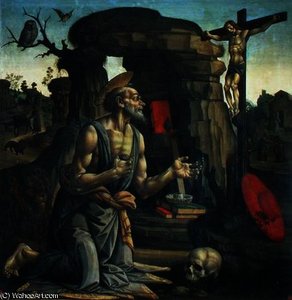
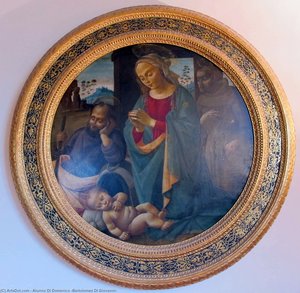
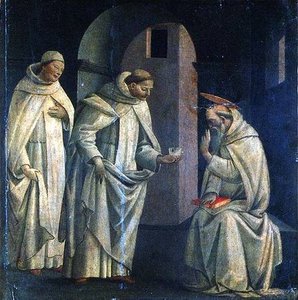
Bartolomeo's artistic development is inextricably linked to his apprenticeship with Domenico Ghirlandaio. However, it’s increasingly clear that he was also influenced by other prominent Florentine artists of the period. The subtle echoes of Sandro Botticelli’s elegant line and the influence of Fra Angelico’s devotional intensity can be detected in his work, suggesting a broad artistic education. Furthermore, some scholars have pointed to possible connections with the more austere and emotionally charged style of Piero di Cosimo, a contemporary painter known for his dramatic depictions of religious subjects.
Despite these influences, Bartolomeo ultimately forged his own distinctive path. His predella panels demonstrate a remarkable ability to synthesize diverse stylistic elements into a cohesive and compelling narrative. He skillfully balanced technical proficiency with emotional sensitivity, creating works that are both aesthetically pleasing and deeply moving.
A Tragic End and Lasting Legacy
Bartolomeo di Giovanni’s life was tragically cut short in 1501, likely due to illness. His untimely death deprived the art world of a promising talent whose potential remained largely untapped. Despite his brief career, Bartolomeo left behind a significant body of work that continues to fascinate and intrigue scholars today. His predella panels, particularly those from the Ospedale degli Innocenti, are considered masterpieces of Florentine Renaissance painting, offering invaluable insights into the artistic practices and cultural values of the era.
Today, Bartolomeo di Giovanni is recognized as a significant, though often overlooked, figure in the history of Italian art. His work stands as a testament to the power of apprenticeship, the enduring influence of master artists, and the remarkable creativity that flourished within the vibrant artistic landscape of Renaissance Florence.