The Intersection of Science and Soul
In the quiet, profound landscapes of northern Argentina, where the ancient echoes of the Calchaquí Valley meet the rigorous scrutiny of modern science, the work of Andrés Jakel emerges as a singular bridge between disciplines. Born in La Plata in 1980, Jakel does not merely observe the world; he deciphers it through a lens forged in the fires of academic rigor. With advanced degrees spanning archaeology, anthropology, and natural sciences, his artistic practice is inseparable from his scholarly pursuits. As a professor at the National University of La Plata, Jakel brings an intellectual weight to his canvases, transforming the act of painting into a form of visual ethnography that seeks to document the very essence of human existence within the natural world.
To encounter a Jakel piece is to enter a dialogue between the observer and the observed. His work is deeply rooted in the study of agropastoral traditions, specifically those that have shaped the Andean regions for centuries. He does not simply paint a landscape; he reconstructs a history of human interaction with the earth. By utilizing his background in archaeology, he breathes life into the silent remnants of the past, allowing the textures of the soil and the nuances of light to tell stories of migration, survival, and cultural continuity. His art serves as a vessel for the complex relationship between humanity and the environments we inhabit, making the invisible threads of history visible through color and form.
Symbolism and the Andean Narrative
The visual language of Andrés Jakel is one of profound layered meaning, heavily influenced by the rich cultural tapestry of Andean traditions. His explorations extend far beyond mere representation, venturing into the realm of symbolism where every stroke carries the weight of narrative intent. He draws inspiration from the archaeological landscape, finding beauty in the artifacts and traditions that define the northern Argentine identity. This connection to the land is not just thematic but structural; his compositions often mirror the meticulousness of a scientific excavation, uncovering layers of meaning much like an archaeologist unearths a buried relic.
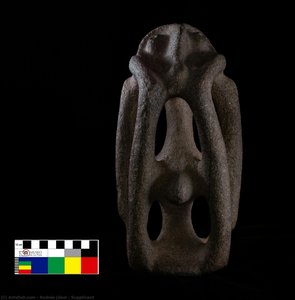
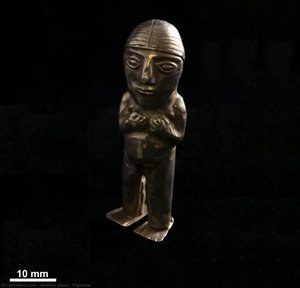
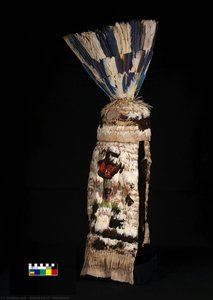
In masterpieces such as “Figurina,” “Supplicant,” and “Headdress,” one can witness this commitment to capturing subtle nuances. These works are not merely aesthetic objects but are deeply communicative, inviting the viewer to contemplate broader questions of human connection and spiritual heritage. Through his art, Jakel explores how individuals perceive their surroundings, using the canvas to document social interactions and the quiet dignity of daily life in remote regions. His ability to blend the empirical observations of a scientist with the emotive power of an artist allows him to create images that resonate on both an intellectual and emotional level.
A Legacy of Discovery
The significance of Jakel’s contribution to contemporary art lies in his refusal to separate the analytical from the creative. He has achieved a rare synthesis, where the precision of natural sciences enhances the evocative power of fine art. His career is marked by a continuous journey of discovery, moving between the laboratory, the classroom, and the studio. This multidisciplinary approach has allowed him to develop a body of work that is both historically grounded and visually transcendent.
As his practice continues to evolve, Jakel remains a vital voice in the exploration of cultural identity and environmental history. His achievements are not measured solely by exhibitions but by the depth of the conversations his work provokes regarding our place within the global ecological and historical narrative. Through his unique vision, the ancient traditions of the Calchaquí Valley and beyond are preserved, not just as data points in a research paper, but as living, breathing experiences that continue to inspire awe and reflection in the modern age.