Antonio Cabral Bejarano (1798–1861): Andalusian Romanticism Embodied
Antonio Joaquín María de Todos los Santos Ignacio de Loyola Quintín, commonly known as Antonio Cabral Bejarano, was a pivotal figure in Spanish art during the Romantic era. Born in Seville in 1798, he descended from a lineage of painters—his great-grandfather Diego Bejarano—establishing him within a tradition deeply rooted in artistic heritage. This familial connection profoundly shaped his formative years and instilled an early passion for visual expression. Initially trained by his father, Joaquín Cabral Bejarano, Antonio’s artistic journey commenced under the tutelage of a master who would instill in him the foundational principles of neoclassical painting.
- Early Life & Family Background: Antonio's upbringing was marked by familial ties to prominent artists, notably Joaquin Cabral Bejarano, whose influence extended beyond mere instruction; it fostered an appreciation for artistic legacy and a commitment to upholding established stylistic conventions. His marriage to Escolástica Pérez Junquitu Fernández produced Maria Bejarano, who subsequently married Pedro Cabral, resulting in the birth of Joaquín Cabral Bejarano II, continuing the family’s artistic tradition.
- Formal Training & Artistic Influences: Antonio's formal education at La Escuela de Tres Nobles Artes (School of Three Noble Arts) provided him with invaluable exposure to contemporary artistic trends and techniques. The resurgence of Romanticism—characterized by emotional intensity, dramatic narratives, and an embrace of imagination—became a dominant force shaping his creative vision. Artists like Eugène Delacroix and Francisco Goya served as crucial inspirations, informing his stylistic choices and thematic preoccupations.
Career Highlights & Artistic Output
Antonio Cabral Bejarano’s artistic career unfolded against the backdrop of significant historical events—the Napoleonic invasion of Spain and subsequent restoration—influencing his subject matter and artistic endeavors. He actively participated in the decoration of prominent landmarks, including the Convent of the Trinity and the General Archive of the Indies, demonstrating his versatility as a painter and his dedication to serving public commissions. These projects showcased not only technical skill but also an understanding of architectural grandeur and historical commemoration.
- Monumental Decoration Projects: His involvement in decorating the Convent of the Trinity and the General Archive of the Indies exemplifies his commitment to artistic excellence and his responsiveness to societal demands. The Archive’s decoration, commemorating the passage of Portuguese royal families—Maria Isabel de Braganza and Francisca de Braganza—towards Madrid for their marriage ceremonies—represented a masterful blend of historical accuracy and aesthetic beauty.
- Municipal Commissions & Artistic Patronage: Antonio received numerous commissions from Seville's city council, reflecting his reputation as a respected artist and his ability to capture the spirit of Andalusian life. His design for the Temple of Himeneo in Plaza de la Encarnación—a tribute to Ferdinand VII and María Cristina—stands as a testament to his artistic vision and his engagement with religious iconography.
- Academic Recognition & Museum Directorship: He was appointed professor of perspective at La Escuela de Tres Nobles Artes, recognizing his pedagogical prowess and furthering the dissemination of artistic knowledge. Furthermore, he served as the inaugural director of the Museo de Bellas Artes de Sevilla—a pivotal moment in establishing Seville as a center for art appreciation and scholarship—leaving an indelible mark on Andalusian cultural heritage.
Style & Technique: Costumbrismo & Romantic Expression
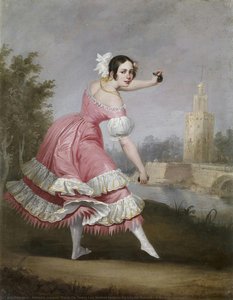
Antonio Cabral Bejarano’s artistic style is firmly anchored within the Costumbrismo movement—a distinctly Hispanic genre that sought to depict everyday life and customs with unflinching realism and emotional depth. Unlike idealized depictions prevalent in neoclassical art, Costumbrismo embraced spontaneity and observation, capturing the nuances of Andalusian society through vibrant color palettes and expressive brushstrokes. His paintings frequently portray scenes from Seville’s urban landscape—marketplaces, plazas, and religious processions—infused with palpable emotion and imbued with a sense of immediacy.
- Costumbrismo Characteristics: Cabral Bejarano's canvases embody Costumbrismo’s core tenets—a focus on portraying authentic Andalusian life, an emphasis on capturing psychological states, and the use of vivid color to convey atmosphere and emotion.
- Brushwork & Color Palette: His technique involved loose brushstrokes and a rich color palette—characteristic of Romantic painting—designed to evoke feelings of warmth, vibrancy, and dramatic intensity.
Legacy & Significance
Antonio Cabral Bejarano’s contribution to Spanish art transcends mere stylistic innovation; he represents a crucial link between neoclassical tradition and the burgeoning Romantic movement. As director of Seville's Museum of Fine Arts—a pioneering institution—he championed artistic excellence and fostered a culture of appreciation for visual arts, shaping the trajectory of Andalusian cultural identity. His enduring influence can be discerned in subsequent generations of artists who embraced Costumbrismo’s expressive power and sought to convey the soul of Spain through captivating imagery. He remains an important figure in understanding the evolution of Spanish painting during the 19th century.