A Florentine Master of Narrative: Apollonio di Giovanni
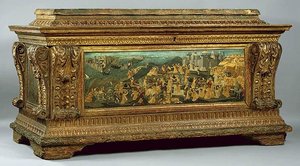
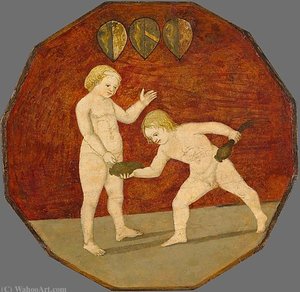
Apollonio di Giovanni di Tomaso, born in Florence around 1415-1417 and passing away in 1465, stands as a compelling figure within the Early Renaissance. While perhaps not possessing the household name recognition of contemporaries like Donatello or Masaccio, Apollonio carved out a significant niche for himself as a highly sought-after painter and illuminator, particularly celebrated for his exquisitely decorated *cassoni* – wedding chests that served as both functional objects and vibrant expressions of Florentine life and ideals. His workshop was arguably the most prolific and fashionable in Florence during its active years, producing over 300 cassoni between 1446 and 1465 alone, a testament to the demand for his artistry. He wasn’t merely replicating designs; he was crafting narratives, capturing contemporary fashions, and reflecting the burgeoning humanist spirit of the era.
Early Life and Workshop Practice
Details regarding Apollonio's early training remain somewhat elusive, but it is known that he joined Florence’s doctors and apothecaries’ guild in 1442 – a common practice for artists at the time – before becoming a full member of the painters’ guild, the Compania di San Luca, in 1443. His most enduring professional relationship began around 1446 with Marco del Buono Giamberti. This partnership proved remarkably successful; together they established a workshop that dominated the cassone market for nearly two decades. The division of labor within the workshop is still debated by scholars, but it’s generally accepted that Apollonio was primarily responsible for the figurative painting, while Del Buono oversaw other aspects of production and potentially contributed to designs. The sheer volume of work emanating from their studio suggests a highly organized system involving numerous assistants and craftsmen, allowing them to cater to a diverse clientele with varying tastes and budgets.
Themes and Techniques: A Renaissance Mirror
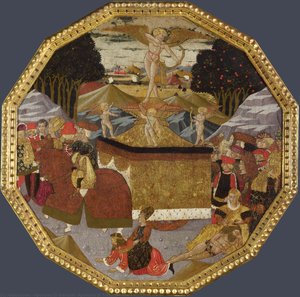
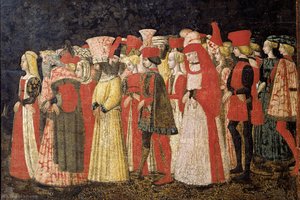
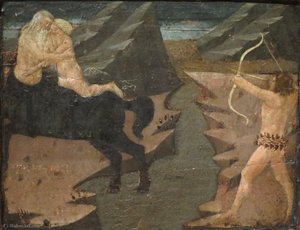
Apollonio’s cassoni are not simply decorative; they offer invaluable insights into the cultural preoccupations of 15th-century Florence. He frequently depicted scenes drawn from classical mythology – tales of Troy, stories of heroic deeds, and allegorical representations of love and virtue. However, what sets Apollonio apart is his masterful integration of contemporary elements. His figures are adorned in the latest Florentine fashions, architectural backgrounds reflect the city’s evolving urban landscape, and details often allude to specific events or patrons. His technique is characterized by a delicate touch, vibrant color palettes, and an emphasis on graceful forms. He skillfully employed tempera paint on wood panels, achieving a luminous quality that enhanced the narrative clarity of his compositions. The influence of painters like Marco del Buono Giamberti is evident in Apollonio’s work, particularly in the refined draftsmanship and attention to detail. He also demonstrated considerable skill as an illuminator, producing beautifully rendered manuscripts that showcase his mastery of line and color.
Major Achievements and Lasting Legacy
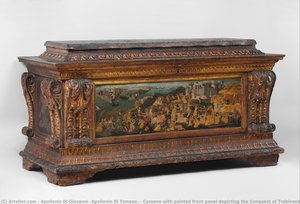
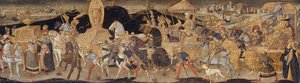
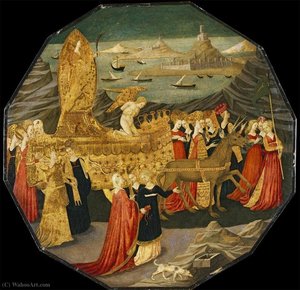
While numerous cassoni attributed to Apollonio survive, several works stand out as particularly representative of his artistic prowess. The *Cassone with painted front panel depicting the Conquest of Trebizond* (1416) is a prime example of his ability to depict contemporary historical events with both accuracy and artistry. The chest commemorates a significant military victory for Florence, transforming a political event into a visually compelling narrative. Other notable works include panels illustrating scenes from Petrarch’s *Triumphs*, showcasing his engagement with humanist literature. Perhaps most intriguing is Apollonio's connection to the earliest surviving tarot decks. He and Del Buono are now credited with creating what is known as the “Estensi” deck, a masterpiece of illuminated playing cards that offers a fascinating glimpse into Renaissance symbolism and iconography. Apollonio di Giovanni’s legacy lies not in groundbreaking innovation but in his exceptional skill at synthesizing existing artistic traditions and adapting them to meet the demands of a sophisticated clientele. He was a master craftsman who captured the spirit of his age, leaving behind a body of work that continues to captivate and inform our understanding of Renaissance Florence.
Historical Significance
Apollonio di Giovanni’s importance extends beyond the aesthetic qualities of his paintings. His cassoni provide invaluable documentation of Florentine material culture – clothing styles, furniture design, architectural trends – offering a unique window into daily life during the 15th century. His workshop's success also highlights the growing commercialization of art and the increasing importance of patronage in Renaissance society. The demand for his work demonstrates the rising affluence of Florence’s merchant class and their desire to express their status through luxurious possessions. Furthermore, his involvement with the creation of the Estensi tarot deck adds another layer of intrigue to his biography, suggesting a broader intellectual curiosity and engagement with esoteric traditions. While often overshadowed by more celebrated artists, Apollonio di Giovanni remains a crucial figure in understanding the artistic landscape of Early Renaissance Florence – a testament to the power of narrative, craftsmanship, and the enduring appeal of beauty.