The Chronicler of Conflict and Character
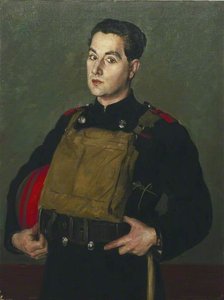
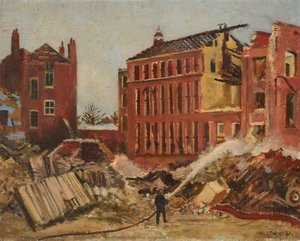
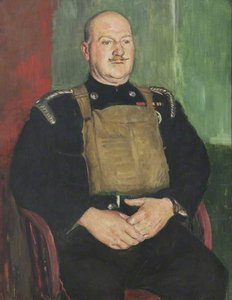
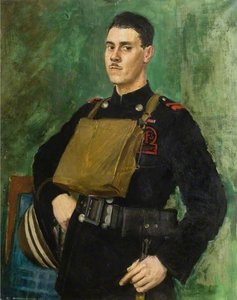
In the turbulent landscape of the twentieth century, few artists captured the raw, human pulse of wartime Britain with as much intimacy and grit as Bernard Hailstone. Born in 1910, Hailstone emerged not merely as a painter of scenes, but as a visual historian of the ordinary and extraordinary lives caught in the gears of global upheaval. His artistic journey, rooted in the rigorous traditions of the Royal Academy Schools under the guidance of masters like Walter Westley Russell, was profoundly shaped by the very conflict he sought to document. Unlike those who observed war from a distance, Hailstone lived it; his service in the Auxiliary Fire Service during the London Blitz provided him with a front-row seat to the destruction and resilience of the city, an experience that would infuse his brushwork with a unique, visceral empathy.
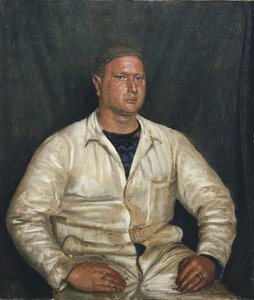
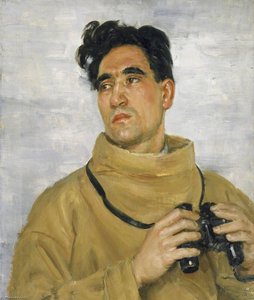
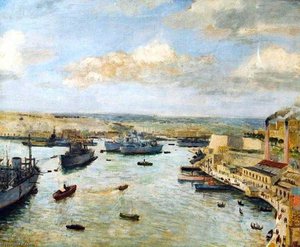
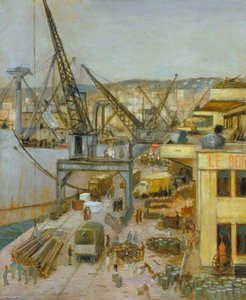
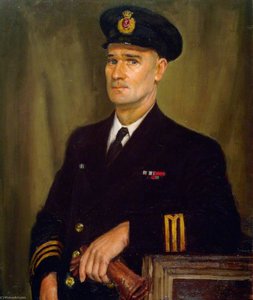
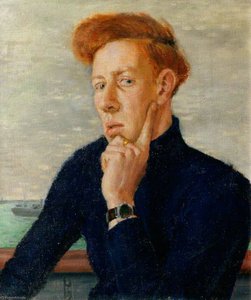
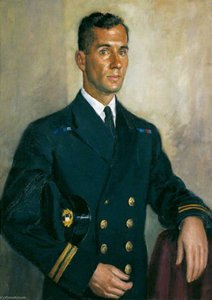
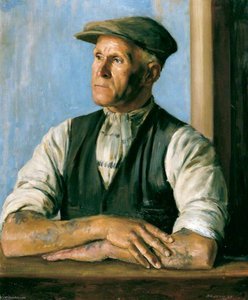
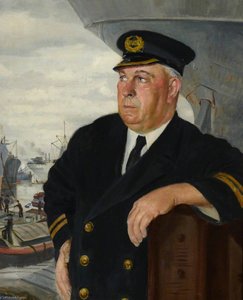
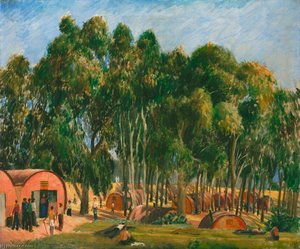
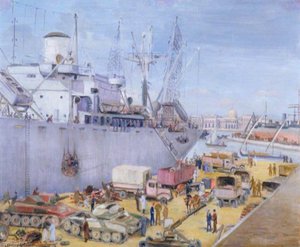
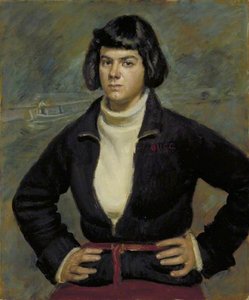
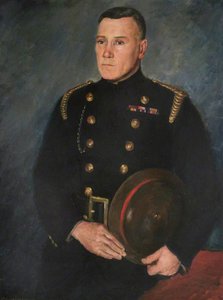
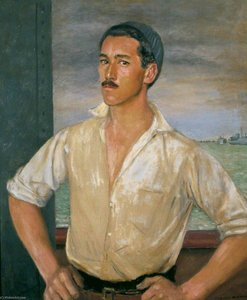
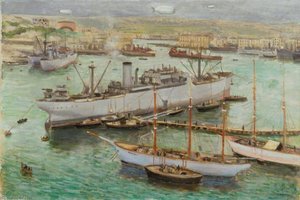
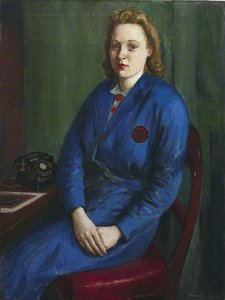
The early years of his career were defined by a remarkable duality. While he possessed the technical finesse required for formal portraiture, his heart was often drawn to the industrial and maritime rhythms of a nation at war. As an official war artist commissioned by the War Artists' Advisory Committee (WAAC), Hailstone turned his gaze toward the unsung heroes of the era: the transport workers, the civil defence volunteers, and the brave mariners of the Merchant Navy. His paintings from this period, such as his evocative depictions of Algiers Quayside or the tranquil yet heavy atmosphere of Merchant Ships at Anchor in Malta, transcend mere reportage. Through a blend of realism and impressionistic texture, he captured the weight of duty and the quiet moments of endurance amidst the chaos of the Mediterranean and European theaters.
From the Front Lines to the Royal Court
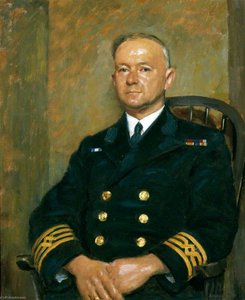
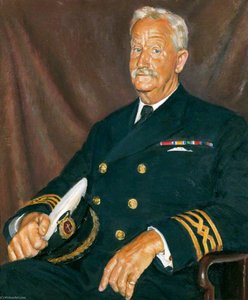
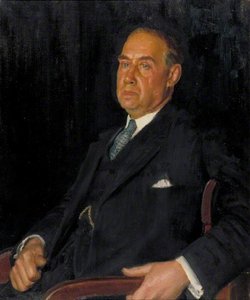
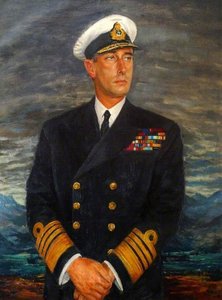
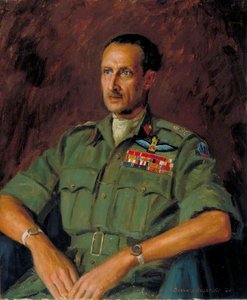
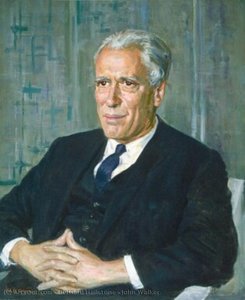
As the smoke of World War II cleared, Hailstone’s artistic trajectory underwent a fascinating evolution. The man who had once painted the soot-stained faces of firemen and the rugged features of Able Seamen transitioned into the refined world of post-war portraiture. This period saw him applying his mastery of character to some of the most prominent figures of British society. His ability to capture a likeness was not merely about anatomical accuracy, but about conveying the psychological depth of his subjects. From the commanding presence of Sir Winston Churchill to the elegant dignity of members of the Royal Family, such as Princess Anne and Prince Andrew, Hailstone’s work bridged the gap between the gritty reality of the trenches and the polished splendor of the court.
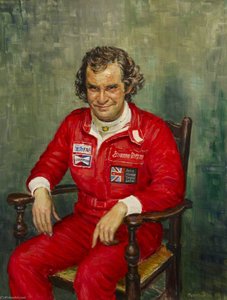
His later repertoire expanded to include the cultural luminaries of his time, capturing musicians like conductor Sir John Barbirolli and various stage and film actors. This versatility speaks to a profound technical range; whether navigating the vibrant, textured oils of a bustling dockyard or the subtle, nuanced light required for a royal commission, Hailstone remained a painter of people. His legacy is found in this remarkable breadth—a career that began in the embers of the Blitz and culminated in the halls of institutional greatness, always anchored by a deep respect for the human spirit.
The enduring significance of Bernard Hailstone’s oeuvre lies in its role as a bridge between eras. His work serves as a vital archive of:
- The Civilian Experience: Documenting the bravery of the Auxiliary Fire Service and the resilience of Londoners during the Blitz.
- Maritime History: Preserving the atmosphere of the Merchant Navy and the strategic importance of Mediterranean ports.
- Social Evolution: Tracing the shift from the collective struggle of wartime Britain to the individual prominence of the post-war era.
- Technical Mastery: Demonstrating a seamless transition between the rugged realism of war reportage and the sophisticated elegance of formal portraiture.