A Life Painted in Shadows and Light
The story of Bolesław Barbacki is one of profound artistic brilliance interrupted by the darkest chapter of human history. Born in 1891, Barbacki was a man whose soul seemed inextricably linked to the cultural heartbeat of Poland. While many remember him simply as a painter, his true essence lay in his multifaceted devotion to the arts; he was a director, an actor, a stage designer, and a dedicated educator. His life, which spanned the turbulent decades of the early 20th century, was a delicate dance between the pursuit of aesthetic beauty and the encroaching shadows of war. Based in the picturesque town of Nowy Sącz, nestled within the foothills of the Tatra Mountains, Barbacki became a pillar of his community, weaving together the threads of theatrical performance and visual expression to create a lasting cultural legacy.
His artistic evolution began with a rigorous academic foundation. Though he initially pursued the study of law at the prestigious Jagiunian University in Kraków, the call of the canvas proved irresistible. Enrolling at the Academy of Fine Arts under the tutelage of Teodor Axentowicz, Barbacki entered a world where the burgeoning influences of Expressionism began to take root. This period of intense study provided him with the technical mastery required to capture not just the physical form, but the psychological depth of his subjects. His subsequent time in Paris allowed him to breathe the air of the global avant-garde, absorbing the vibrant energy of the French art scene and refining a style that would eventually blend classical precision with a modern, emotive sensibility.
The Soul Within the Portrait
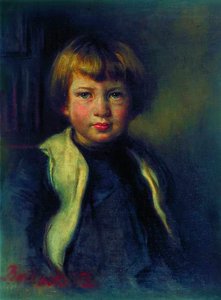
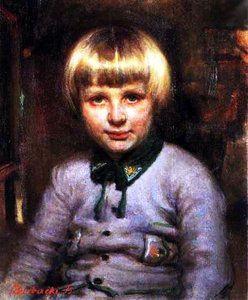
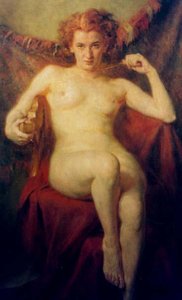
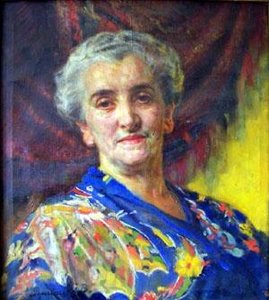
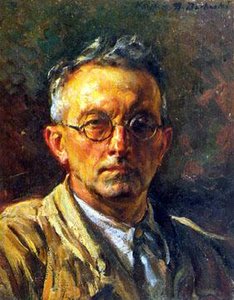
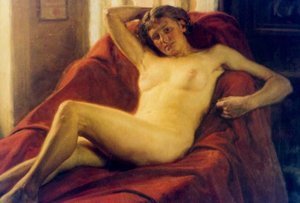
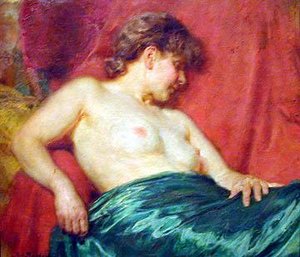
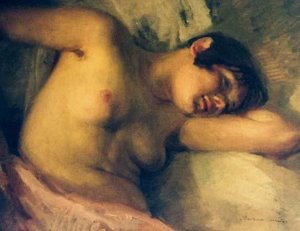
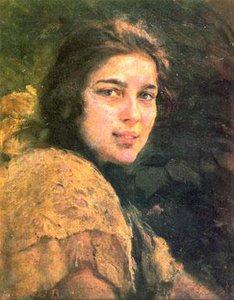
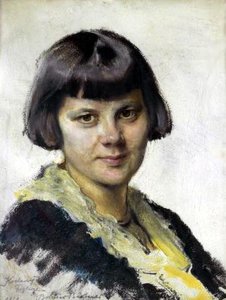
Upon returning to Poland, Barbacki established himself as a master of portraiture, a genre in which he truly found his voice. His portraits were far more than mere anatomical records; they were windows into the human condition. Whether painting the refined features of the nobility, the weathered faces of merchants, or the simple, honest expressions of ordinary citizens, Barbacki possessed a rare ability to reveal the inner lives of his sitters. Through a masterful use of light and texture, he imbued each face with a palpable sense of character and narrative. His brushwork often carried a subtle weight, using layered textures and muted tones to evoke a sense of melancholy or quiet dignity that resonated deeply with the era's shifting social landscape.
Beyond the confines of the studio, Barbacki’s creativity spilled onto the stage. As the founder of the Dramatic Society in Nowy Sącz, he approached theatrical production with the same eye for detail that he applied to his oil paintings. His work as a stage designer allowed him to manipulate space and atmosphere, creating immersive environments that complemented the dramatic narratives of the plays he directed. This holistic approach to art—treating the stage as a living canvas—demonstrated his belief that art should be an all-encompassing experience, capable of educating and elevating the spirit of the public.
A Legacy Forged in Tragedy
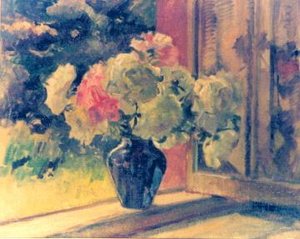
The historical significance of Bolesław Barbacki is inextricably tied to the tragedy of World War II. As the conflict descended upon Poland, the artist’s life became a reflection of the devastation surrounding him. His work from this period often carries an evocative, haunting quality, capturing the tension between the enduring beauty of the natural world and the brutal reality of occupation. Tragically, Barbacki’s life was cut short in 1941 when he was killed by the Gestapo, a loss that silenced one of Poland's most versatile creative voices.
Despite the violent end to his biography, Barbacki’s contribution to Polish art remains indelible. His legacy is found in:
- The mastery of psychological portraiture: Creating works that transcend time by capturing the eternal essence of human emotion.
- Cultural stewardship: His tireless efforts in establishing educational institutions and theatrical societies that nurtured future generations of artists.
- Stylistic synthesis: The seamless integration of academic realism with the expressive, emotive qualities of early 20th-century movements.
Today, to look upon a Barbacki painting is to engage in a silent dialogue with a man who refused to let the darkness of his era obscure the light of human expression. His life remains a poignant reminder of the resilience of the artistic spirit in the face of unimaginable hardship.