The Soul of the Landscape: The Artistic Journey of Calo Carratalá
Born in the vibrant Spanish city of Valencia in 1959, Calo Carratalá has spent a lifetime cultivating a profound and intimate dialogue with the natural world. His artistic identity is not merely defined by the subjects he chooses, but by a deep-seated connection to the earth itself. This devotion was forged through rigorous academic training at the Real Academia de Bellas Artes de San Carlos and further refined amidst the classical grandeur of the Spanish Royal Academy in Rome. These formative years provided him with a sturdy foundation in the traditions of realism, yet Carratalá’s spirit has always been one of exploration, leading him far beyond the borders of Spain to capture the pulse of distant continents.
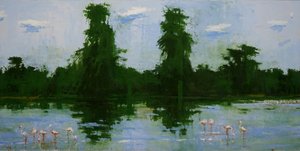
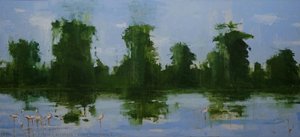
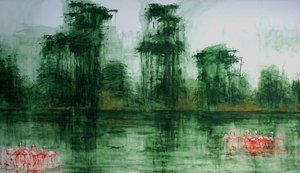
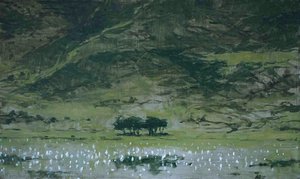
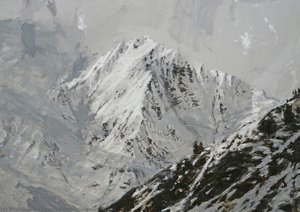
His travels through Africa and Europe have acted as a continuous source of inspiration, allowing him to weave a tapestry of diverse environments into his oeuvre. Whether documenting the sun-drenched expanses of the African plains or the tranquil, mist-covered lakes of Europe, Carratalá approaches each landscape with an eye for both the tangible and the ethereal. His work often oscillates between recognizable, breathtaking realism and a more dreamlike abstraction, creating a visual language that speaks to the fleeting nature of beauty and the enduring strength of the wild.
A Synthesis of Romanticism and Modernity
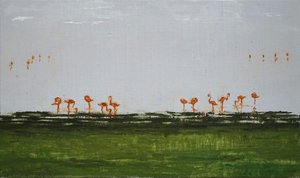
At the heart of Carratalá’s technique lies a masterful bridge between the past and the present. He draws heavily from the Romantic movement, embracing its fascination with the sublime, the emotional power of nature, and the dramatic interplay of light and shadow. By studying the techniques of the Old Masters, he learned to utilize oil paints on canvas through meticulous layering, a process that imbriates his works with an inner luminosity and a palpable sense of depth. This classical approach allows him to capture the vibrant energy of life—such as the rhythmic movement of flamingo flocks in Tarangire National Park—with a reverence for tradition.
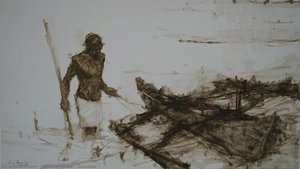
However, Carratalá is far from a mere traditionalist. He skillfully injects contemporary sensibilities into his compositions, experimenting with textural nuances and stylized forms that reflect a modern aesthetic. In his paintings, human figures often appear not as central protagonists, but as symbolic elements that illustrate the delicate, interconnected relationship between humanity and the environment. This ability to synthesize the heavy, textured legacy of Valencian realism with a fresh, innovative vision ensures that his work remains strikingly relevant in a contemporary art landscape.
Legacy and Recognition
The significance of Carratalá’s work lies in his ability to make the viewer feel the weight of the atmosphere and the heat of the sun. His paintings serve as both windows into remote worlds—such as the majestic Ngorongoro or the serene Lake Manyara—and as meditations on our ecological responsibility. He views the environment as a primary priority for society, a sentiment that breathes life and urgency into his depictions of the natural world.
Throughout his distinguished career, Carratalá has received numerous accolades that affirm his place in the contemporary Spanish art scene. Notable achievements include:
- Gold Medal Recognition: In 2014, he was honored with the Gold Medal at the 75th Exposición Internacional de Artes Plásticas Valdepeñas, a testament to his technical mastery and artistic impact.
- Academic Excellence: His prestigious training in both Valencia and Rome allowed him to integrate classical European traditions into a modern, globalized perspective.
- Global Subject Matter: His ability to translate the unique light and ecology of African landscapes into a European fine art context has expanded the boundaries of contemporary landscape painting.