Cesare Sala: The Silent Maestro of Italian Automobile Elegance
Cesare Sala (Milan, Italy) stands as a testament to the understated brilliance of Italian craftsmanship during the early 20th century. Though largely absent from mainstream art history books, Sala’s contribution to automotive design—specifically his work for Isotta Fraschini and Alfa Romeo—holds considerable significance within the annals of Italian industrial heritage. Born in Milan around 1869, Sala established Carrozzeria Italiana Cesa, a workshop that quickly gained renown for its meticulous attention to detail and dedication to preserving traditional coachbuilding techniques. Initially focused on crafting carriages – a cornerstone of Milanese aristocratic society – Sala’s ambition extended beyond equine transport when he embraced the burgeoning automobile industry in 1897.
- Early Years & Carriage Craftsmanship: Sala's formative years instilled within him an unwavering commitment to precision and artistry, skills that would define his subsequent endeavors. He honed his craft mastering the intricacies of wood carving, upholstery, and metalworking—skills crucial for transforming raw materials into objects of exquisite beauty and functionality.
- The Birth of Automobile Bodies: Recognizing the potential of innovation alongside tradition, Sala spearheaded the introduction of automobile bodies to Carrozzeria Italiana Cesa’s repertoire. This bold move positioned him at the forefront of a rapidly evolving technological landscape, marking a pivotal moment in Italian automotive history.
- Collaborations with Iconic Brands: Sala's reputation soared as he secured commissions from prominent manufacturers like Isotta Fraschini and Alfa Romeo. His designs embodied elegance and sophistication, reflecting the aspirations of Italy’s elite while adhering to the highest standards of engineering excellence.
Sala’s influence extended beyond mere aesthetics; he championed a philosophy rooted in meticulous craftsmanship and an unwavering respect for materials. He prioritized durability alongside beauty, ensuring that each automobile body was not only visually stunning but also capable of enduring generations. His collaborations with Alfa Romeo particularly cemented his legacy as a pioneer of Italian automotive design—a tradition that continues to inspire contemporary artisans. The workshop ceased operations in 1932 following the devastating effects of the Great Depression, marking the end of an era defined by artistic dedication and industrial innovation. However, Sala’s enduring contribution to Italian cultural heritage remains palpable through surviving examples of his creations – a silent testament to a craftsman who shaped the visual identity of Italy's golden age.
- Notable Commissions: Among Sala’s most celebrated achievements were collaborations with Alfa Romeo and Lancia, where he crafted bodies that captured the spirit of Italian dynamism and technological advancement.
- Legacy & Influence: Cesare Sala’s meticulous approach to craftmanship continues to resonate within the automotive industry today, serving as an inspiration for designers striving to blend artistry and functionality.
Further Exploration: You can delve deeper into Sala's work by visiting
Sala Del Risorgimento, Siena’s museum showcasing frescoes depicting Italy’s unification and featuring prominent figures like Cesare Maccari. Also, admire the artistry of
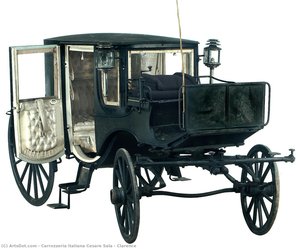
Clarence and explore captivating automobile designs such as
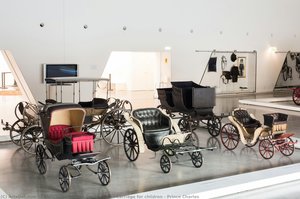
Carriage for children - Prince Charles and
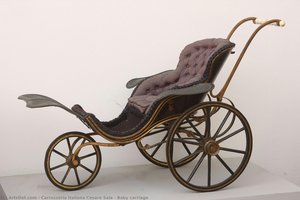
Baby carriage.