Table of Contents
Quick Facts
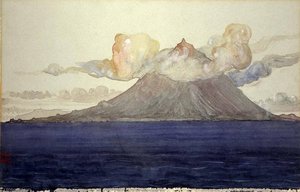
- Top-ranked work: Mt. Pico, Azores Islands
- Died: 1934
- Works on APS: 67
- Topics explored: watercolor painting
- Lifespan: 75 years
- Born: 1859
- Creative periods: mature period
- More…
- Copyright status: Public domain
- Movements: realism
- Typical colors: putty
- Color intensity: balanced
- Art period: 19th Century
- Top 3 works:
- Mt. Pico, Azores Islands
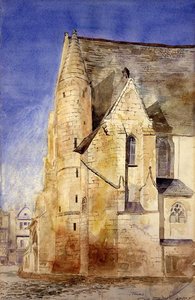
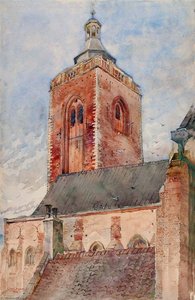
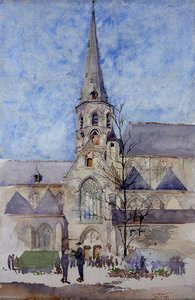
- Old Church, Tours, France
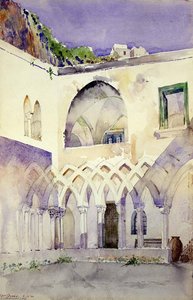
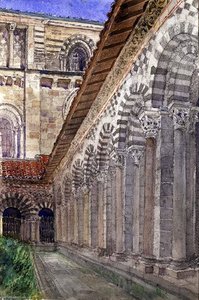
- Cathedral Cloister at Le Puy
Art Quiz
There is only one correct answer for each question.
Question 1:
Q1
Question 2:
Q2
Question 3:
Q3
Related Articles
Grant Wood & American Regionalism: Identity, Myth & the Rural Landscape
Explore the world of Grant Wood & American Regionalism with ArtsDot. Discover the symbolism behind 'American Gothic', recurring themes, and the movement's lasting impact on art history. High-quality reproductions available.


American Realism's Defining Works: 10 Masterpieces for Your Home
Explore 10 defining American Realism masterpieces – Hopper, Homer & more. Discover the stories behind these iconic paintings and bring timeless art to your home with ArtsDot's museum-quality reproductions. Explore the full collection online.
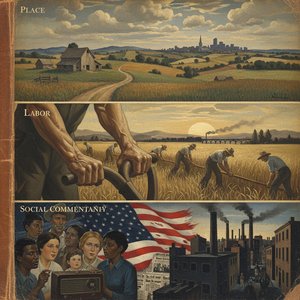
American Regionalism: A Crucible of Identity – Exploring Themes of Place, Labor & Social Commentary
Explore American Regionalism's powerful depiction of the American heartland during the Great Depression. Discover Grant Wood, Thomas Hart Benton & more. Expert analysis & high-quality art reproductions at ArtsDot.