Diário de São Paulo: Beyond the Headlines – An Artist’s Legacy of Journalism and Patronage
Diário de São Paulo, more commonly known as Diário Popular, stands apart from many Brazilian newspapers—not merely for its longevity (established in 1884), but for its profound connection to artistic expression and cultural philanthropy. Founded by José Maria Lisboa and Américo Brasílio Campos with the backing of prominent figures like Antônio Bento and hipólito junior, this newspaper quickly became a voice for São Paulo’s intellectual elite, fostering debates on social issues and shaping public opinion throughout the 20th century. Its commitment to independent journalism—a rare quality in Brazilian history—established it as a cornerstone of São Paulo's cultural landscape.
- Early Years & Founding Principles: The newspaper’s initial mission was rooted in upholding liberal ideals and promoting civic engagement, mirroring the spirit of Brazil’s Belle Époque. Lisboa and Campos envisioned Diário Popular as more than just a news outlet; it aimed to cultivate informed citizens capable of contributing meaningfully to society.
- Notable Literary Figures: Perhaps Diário Popular's most enduring fame stems from its role in disseminating the writings of Francisco Xavier and José Herculano Pires, notably their seminal book ‘Missives of Hope.’ These authors championed humanist values and critical thinking—principles that resonated deeply with the newspaper’s editorial stance.
- A Shift Towards Modernity: In 2001, Diário Popular underwent a rebranding exercise, adopting its current name. This signaled an adaptation to evolving media landscapes while retaining its core commitment to journalistic integrity.
The Newspaper’s Artistic Patronage – Supporting São Paulo’s Cultural Vitality
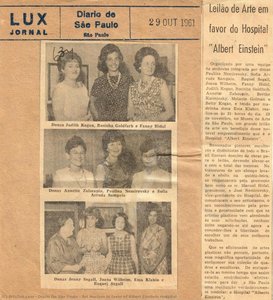
Beyond its journalistic endeavors, Diário de São Paulo has actively championed artistic initiatives. Notably, the newspaper spearheaded an annual art auction benefiting Albert Einstein Hospital, demonstrating a dedication to social responsibility alongside cultural appreciation. This tradition underscores the newspaper's belief in harnessing resources for the betterment of São Paulo’s community and fostering connections between art and healthcare.
- Collaboration with MASP: Diário Popular has partnered closely with Museu de Arte de São Paulo Assis Chateaubriand (MASP), a celebrated institution showcasing Brazilian and European masterpieces. This collaboration exemplifies the newspaper’s commitment to promoting artistic education and enriching São Paulo's cultural heritage.
- Promoting Emerging Artists: Recognizing the importance of nurturing talent, Diário Popular actively supports emerging artists through exhibitions and publications—further cementing its role as a catalyst for creativity within São Paulo.
Diário Popular’s Influence on Brazilian Intellectual Discourse
Throughout its history, Diário de São Paulo has served as a vital forum for intellectual debate. Its editorials tackled complex social issues with nuance and conviction, shaping public discourse and inspiring critical reflection. The newspaper's unwavering stance against censorship and its advocacy for freedom of expression solidified its position as a defender of democratic values—a legacy that continues to inspire journalists and artists alike.
- Historical Significance: Diário Popular’s chronicles documented pivotal moments in Brazilian history, from political upheavals to social reforms. Its reporting provided invaluable insights into the nation's trajectory and contributed significantly to shaping collective memory.
Contemporary Relevance – A Voice for São Paulo Today
Even in the digital age, Diário de São Paulo maintains its commitment to independent journalism—a rare quality in today’s media environment. Its ongoing coverage of São Paulo’s urban life and cultural scene reflects the newspaper's enduring connection to the city it calls home. More importantly, Diário Popular continues to champion artistic endeavors, ensuring that São Paulo’s creative spirit thrives for generations to come.