Menu
FREE ART CONSULTATION

Emiliano Augusto Cavalcanti de Albuquerque Melo

1897 - 1976

Quick Facts

  • Lifespan: 79 years
  • Corpus themes:
    • brazilian modernism
    • socially engaged art
    • national identity themes
    • national identity
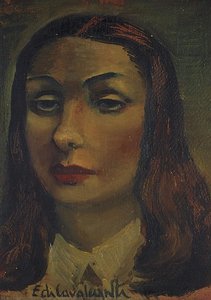
    • modernist portraiture
  • Topics explored:
    • portrait
    • brazilian art
    • woman
    • modernism
    • black and white
  • Museums on APS:
    • Centro Cultural Banco do Brasil - Brasília
    • The Ema Klabin House Museum
    • Museu de Valores do Banco Central do Brasil
    • MAM Rio
  • Color intensity: balanced
  • Best occasions:
    • focal
    • mood
  • Art period: Modern
  • Also known as: Di Cavalcanti
  • Born: 1897, Rio de Janeiro, Brazil
  • Nationality: Brazil
  • Works on APS: 27
  • More…
  • Vibe: nostalgic
  • Movements: modernism
  • Emotional tone: reflective
  • Typical colors: putty
  • Mediums: oil on canvas
  • Creative periods: mature period
  • Copyright status: Under copyright
  • Died: 1976
  • Top 3 works:
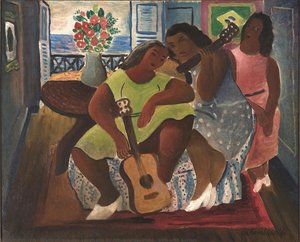
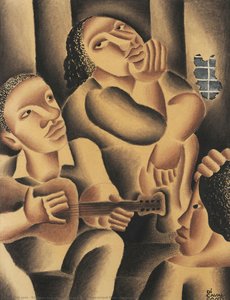
    • Girls with Guitars
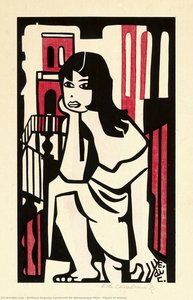
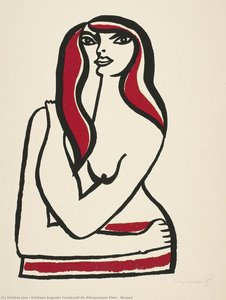
    • Figure of woman
  • Top-ranked work: Girls with Guitars
  • Room fit:
    • lounge
    • living room

Art Quiz

There is only one correct answer for each question.

Question 1:
What was a primary goal of the Semana de Arte (Week of Modern Art) in 1922, in which Di Cavalcanti participated?
Question 2:
Di Cavalcanti's early political leanings were influenced by his interactions with figures associated with what movement?
Question 3:
After studying in Paris, how did Di Cavalcanti's artistic focus shift?
Question 4:
Which artistic movement significantly influenced Di Cavalcanti's style, alongside Symbolism and Expressionism?
Question 5:
What political party did Di Cavalcanti join, reflecting his heightened nationalistic feelings?

A Brazilian Modernist’s Quest for National Identity

Emiliano Augusto Cavalcanti de Albuquerque Melo, known to the art world as Di Cavalcanti, was a pivotal figure in the shaping of modern Brazilian art. Born in Rio de Janeiro in 1897, his life and artistic journey were deeply intertwined with the socio-political currents of his nation. From an early age, he was immersed in intellectual discourse thanks to his maternal uncle’s involvement in the abolitionist movement – a formative experience that instilled within him a lifelong commitment to politically engaged art. Though initially pursuing law in São Paulo, Di Cavalcanti's true calling lay elsewhere. He quickly gravitated towards artistic expression, holding his first exhibition in 1917 showcasing caricatures imbued with Symbolist undertones. This early work hinted at the restless spirit and innovative tendencies that would come to define his career.

The Semana de Arte and European Encounters

Di Cavalcanti’s emergence coincided with a period of fervent artistic experimentation in Brazil. He became a key participant in the landmark *Semana de Arte Moderna* (Week of Modern Art) of 1922, a watershed moment that sought to liberate Brazilian art from the constraints of European academic tradition. While the event championed a uniquely Brazilian aesthetic, Di Cavalcanti’s contributions at the time still bore traces of Symbolist, Expressionist, and Impressionist influences – a testament to the complex interplay between national aspiration and artistic training. This tension would become a defining characteristic of his work. Seeking further inspiration, he journeyed to Europe in 1923, immersing himself in the vibrant modernist scene of Paris and Montparnasse. There, encounters with luminaries like Pablo Picasso, Henri Matisse, Georges Braque, and Fernand Léger profoundly impacted his artistic vision, exposing him to new techniques and perspectives.

Forging a Brazilian Style

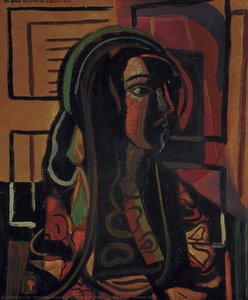
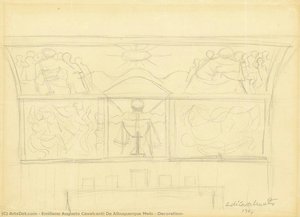
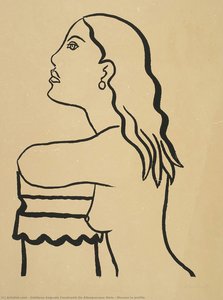
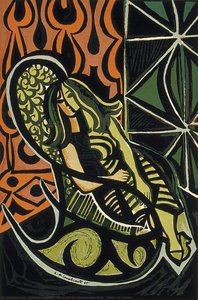
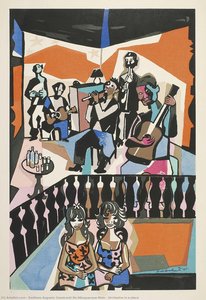
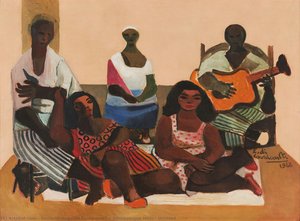
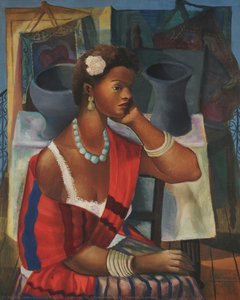
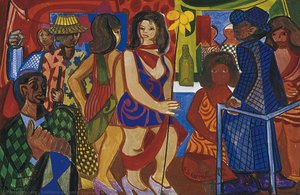
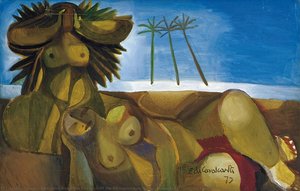
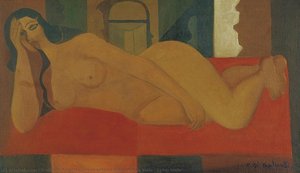
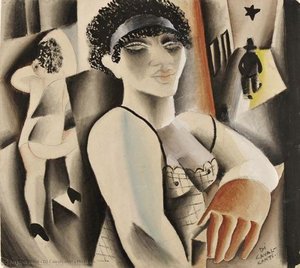
Upon returning to Rio de Janeiro in 1925, Di Cavalcanti embarked on a deliberate quest to synthesize European modernism with distinctly Brazilian themes. This wasn’t merely an aesthetic exercise; it was fueled by a growing sense of nationalistic fervor and a commitment to social commentary. Joining the Brazilian Communist Party further solidified his political convictions and informed his artistic choices. His work began to focus increasingly on depictions of everyday Brazilian life, particularly celebrating the beauty and vitality of *mulata* women – figures often marginalized in traditional art. These paintings weren’t simply portraits; they were powerful statements about national identity, racial diversity, and social inclusion. He skillfully blended Cubist fragmentation with a vibrant color palette and fluid lines, creating a style that was both modern and deeply rooted in Brazilian culture. Beyond painting, Di Cavalcanti also explored interior design, demonstrating his versatility as an artist.

Legacy and Lasting Influence

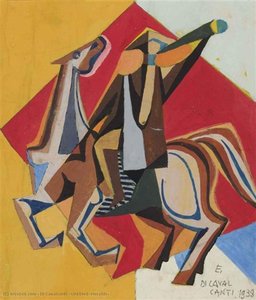
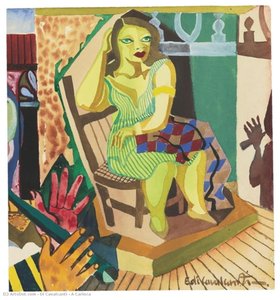
Di Cavalcanti’s artistic legacy extends far beyond the canvases he created. He became a symbol of Brazil's modernist movement, inspiring generations of artists to embrace their national heritage while engaging with global artistic trends. His work continues to resonate today for its bold aesthetic, social consciousness, and celebration of Brazilian identity. Though his life was marked by periods of political persecution – including two imprisonments due to his communist affiliations – he remained steadfast in his commitment to artistic expression. Museums across Brazil proudly display his paintings, and his works are increasingly recognized internationally. His ability to capture the spirit of a nation undergoing profound social and cultural transformation cemented his place as one of Brazil’s most important and beloved artists. Discover some of his notable artworks such as A Carioca, Untitled (Heralds), and Mulatas at ArtsDot, and explore further insights into his life and work through resources like Wikipedia and WikiArt.