Table of Contents
Quick Facts
- Creative periods: mature period
- Corpus themes:
- geometric abstraction
- exploration of form
- Top 3 works:
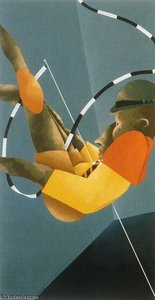
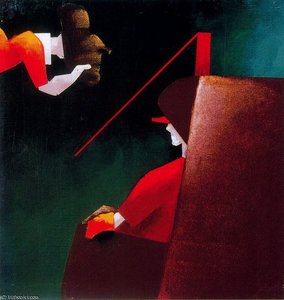
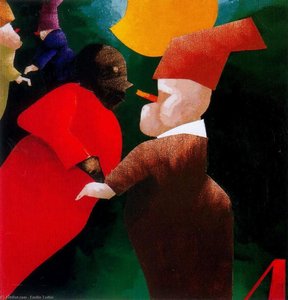
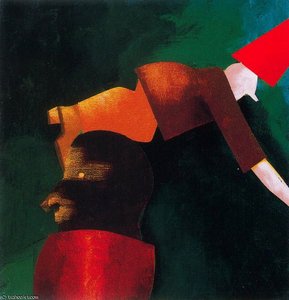
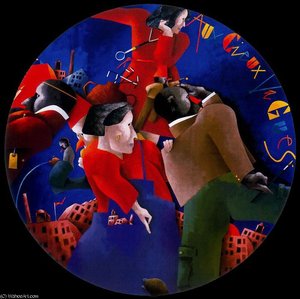
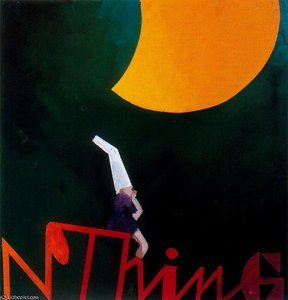
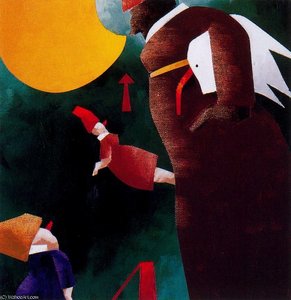
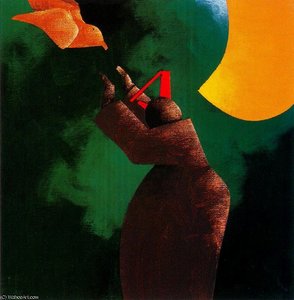
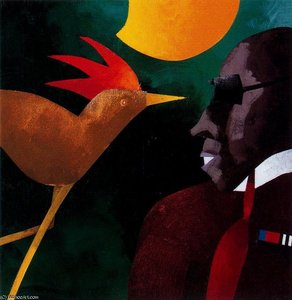
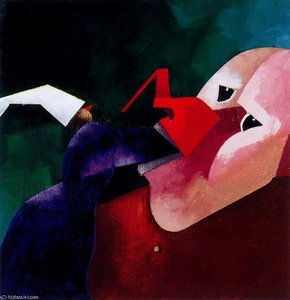
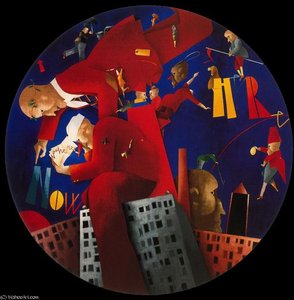
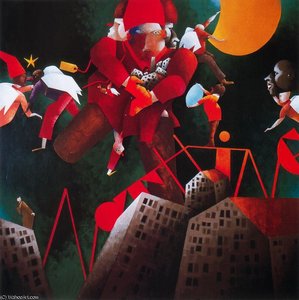
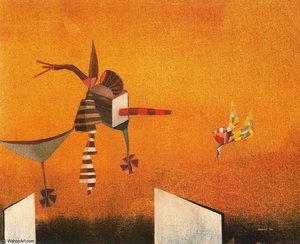
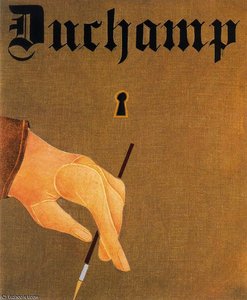
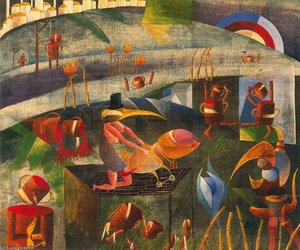
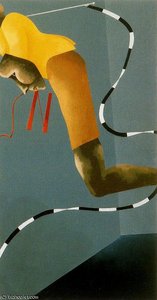
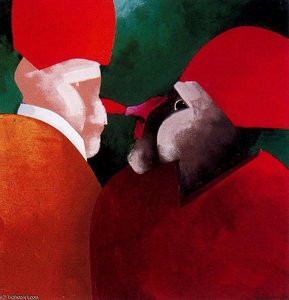
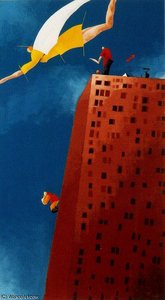
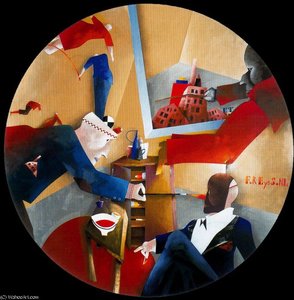
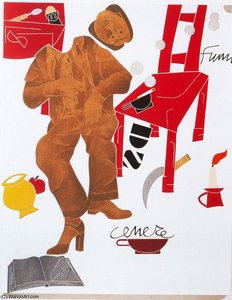
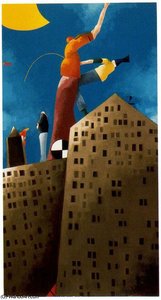
- Untitled (138)
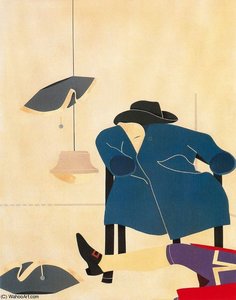
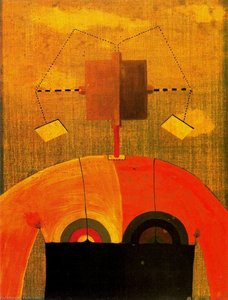
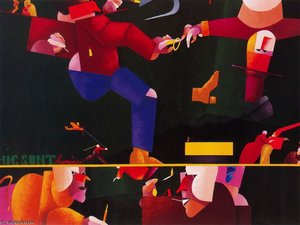
- Untitled (785)
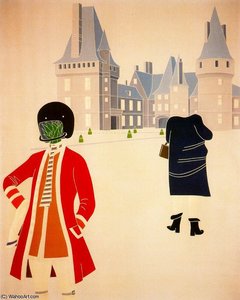
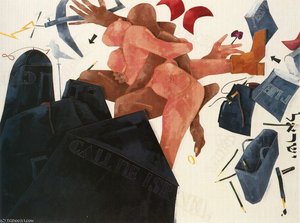
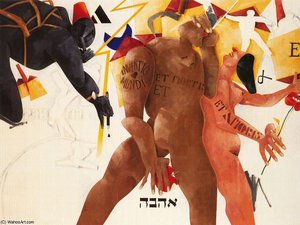
- Untitled (447)
- Born: 1927, Italy
- Movements: other
- Top-ranked work: Untitled (138)
- Works on APS: 72
- Museums on APS: THAT'S CONTEMPORARY
- More…
- Color intensity:
- balanced
- vivid
- Lifespan: 76 years
- Topics explored: geometric art
- Died: 2003
- Copyright status: Under copyright
- Art period: Modern
- Typical colors: black
- Nationality: Italy
Art Quiz
There is only one correct answer for each question.
Question 1:
In which city was Emilio Tadini born?
Question 2:
Which contemporary figure described Tadini as 'A writer who paints, a painter who writes'?
Question 3:
In what year did Tadini make his literary debut?
Question 4:
Where was Tadiini's first solo exhibition held in 1961?
Question 5:
Which artistic style is noted in the description of 'Untitled (547)'?
Related Articles
Abstract Expressionism's 10 Defining Masterpieces |
Explore 10 defining Abstract Expressionism masterpieces by Pollock, Rothko & de Kooning. Discover the stories behind these iconic paintings and find museum-quality art reproductions to elevate your home decor on .

Jacob Kainen: A Pioneer of American Color Field Painting & Abstract Expressionism
Explore the life & work of Jacob Kainen, a pivotal figure in American Abstract Expressionism and Color Field painting. Discover his journey from Social Realism to vibrant abstraction and lasting influence on 20th-century art.
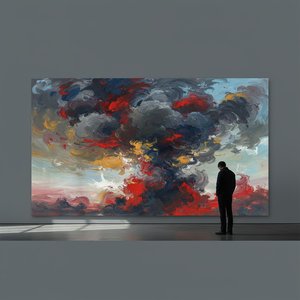
Beyond Representation: Exploring the Emotional Landscape of Abstract Expressionism
Explore the profound emotional world of Abstract Expressionism with ArtsDot. Discover key artists like Pollock & Rothko, learn about collecting, and find museum-quality reproductions to inspire your space.