The Visual Narrative of Eric Bridgeman
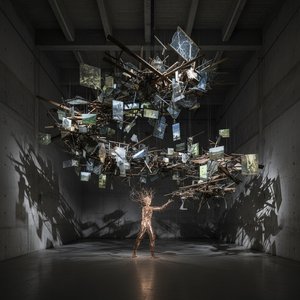
Eric Bridgeman’s artistic journey began in the vibrant coastal landscape of Redcliffe, Australia, a setting that infused his early perceptions with the energetic rhythms of the Pacific Rim. His practice is far more than a mere documentation of life; it is a profound engagement with the complex social dialogues that shape our modern existence. Moving fluidly between photography, performance art, and immersive installations, Bridgeman possesses a unique ability to question long-held assumptions regarding identity, representation, and the boundaries of culture. His work does not simply observe the world—it actively interrogates it, seeking the hidden threads that connect disparate human experiences.
The evolution of his vision has been deeply shaped by his connection to both Australian and Papua New Guinean landscapes. By exploring the rugged beauty of the Australian Outback alongside the lush, culturally dense environments of Papua New Guinea, Bridgeman captures individuals within their natural habitats with a remarkable degree of detail and empathy. His technique is characterized by a deliberate blending of realism and abstraction, creating a sensory experience that mirrors the complexity of the subjects he portrays. This duality allows him to present truths that are both intimately personal and broadly sociological.
Bridging Cultures and Social Commentary
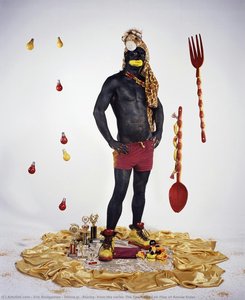
A defining characteristic of Bridgeman’s oeuvre is his use of the "theatre of sport" as a springboard for profound social commentary. In his celebrated series, The Sport and Fair Play of Aussie Rules, he meticulously captures the ritualistic physicality of Australian Rules Football. Through this lens, he explores how the stadium becomes a space of carnival-like intensity—where painted faces, garish costumes, and raucous chants temporarily invert social norms, much like the medieval carnivals of history. Within these athletic arenas, Bridgeman finds a way to reflect on deeper themes, including Aboriginal perspectives and the intersection of cultural practices, challenging ingrained biases through the shared language of competition and ritual.
This exploration of masculinity and tribal identity reaches new heights through his collaboration with Haus Yuriyal. Based in the Jiwaka Province of Papua New Guinea, this collective allows Bridgeman to act as both artist and facilitator, working alongside members of the Yuri Alaiku tribe. His painting practice is heavily influenced by these traditional men’s practices, specifically the creation of shield paintings. Through projects like Eri Ari Iki—a concept of a protected, sacred dwelling—and the development of Haus Piksa (picture houses) for audio-visual screenings, Bridgeman fosters a space where contemporary art and ancestral tradition coexist. This collaborative spirit ensures that his work remains a living, breathing dialogue between the past and the present.
Legacy and Artistic Significance
The significance of Eric Bridgeman’s contribution to contemporary art is cemented by his participation in prestigious international platforms, most notably the Biennale of Sydney. Such exposure has solidified his reputation as a vital voice capable of navigating the nuances of globalized identity. His ability to weave together the following elements defines his historical importance:
- Cultural Synthesis: The seamless integration of Australian contemporary life with the traditional customs of the Papua New Guinean Highlands.
- Multidisciplinary Mastery: A versatile command over photography, sculpture, video, and painting that prevents his work from being confined to a single genre.
- Social Advocacy: Using the medium of art to confront uncomfortable truths regarding social justice, masculinity, and cultural exchange.
As he continues to live and work between Brisbane and the Wahgi Valley, Bridgeman remains a pivotal figure in the movement of artists who use visual narrative to bridge the gap between the familiar and the remote. His legacy lies in his ability to transform the act of looking into an act of understanding, turning every portrait and installation into a profound testament to human connection.