The Ford Motor Company Photographic Department: Documenting the Rise of a Modern Icon
The story of the Ford Motor Company is inextricably linked to the power of visual documentation, and at its heart lies the often-overlooked work of the company’s Photographic Department. More than simply recording assembly lines and automobiles, this department – comprised of skilled photographers over decades – became instrumental in shaping public perception, solidifying a brand identity, and ultimately, mythologizing the very concept of modern industrial life. While not traditionally considered “artists” in the conventional sense, the photographers employed by Ford wielded immense creative control in how they presented the company’s innovations to the world, effectively becoming visual architects of the American 20th century. Their work transcends mere commercial photography; it is a sociological record, a testament to technological advancement, and a fascinating study in early corporate image-making.
Early Years: Building an Image (1903 – 1920s)
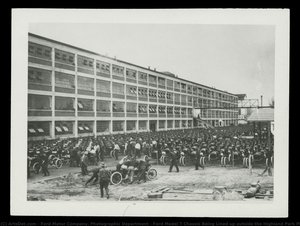
The earliest photographs from the Ford Motor Company weren’t about glamour or aesthetics; they were about proof. Henry Ford was determined to demonstrate the efficiency and reliability of his Model T, a car designed for the masses. The initial images focused on the manufacturing process itself: workers assembling parts, engines being tested, and the sheer scale of production at Highland Park. These photographs weren’t intended for art galleries but for newspapers, magazines, and promotional materials aimed at convincing a skeptical public that this new automobile was different – affordable, durable, and accessible.
The department's early work established a visual language of precision, order, and relentless progress. Crucially, these images also began to subtly portray the workers not as anonymous cogs in a machine but as skilled individuals contributing to a national endeavor. This was a deliberate strategy; Ford understood that public acceptance hinged on more than just technical specifications. The department documented early racing successes, showcasing the Model T’s capabilities and further building its reputation for performance and reliability. The visual narrative shifted from simply *how* the car was made to *what* it could do, and who benefited from its existence – the average American family.
The Assembly Line & The Human Factor (1913-1940s)
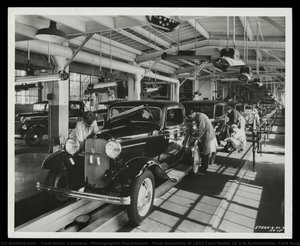
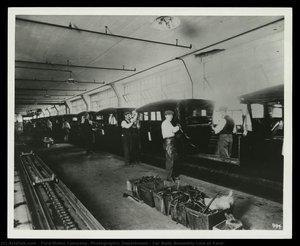
Perhaps the most iconic images associated with Ford are those depicting the assembly line. However, the Photographic Department’s portrayal of this revolutionary process was far from neutral. While acknowledging the repetitive nature of the work, photographers consistently emphasized teamwork, efficiency, and a sense of collective purpose.
Images often featured smiling workers, clean workspaces (relatively speaking for the time), and a focus on the final product – the completed automobile. This carefully constructed visual narrative helped to counter criticisms about dehumanization and monotony. The department also documented Ford’s progressive labor policies, such as the $5 workday, showcasing the company as a benevolent employer offering opportunities for economic advancement. During this period, the photographers began experimenting with more dynamic compositions and lighting techniques, moving beyond purely documentary styles to create images that were visually compelling and emotionally resonant. The rise of automotive culture – road trips, family vacations, and the freedom of mobility – was also captured extensively, further cementing Ford’s place in the American imagination.
Post-War Expansion & Shifting Aesthetics (1945 - 1980s)
Following World War II, the Ford Motor Company Photographic Department adapted to a changing landscape. The focus shifted from simply demonstrating functionality to emphasizing style, luxury, and aspirational lifestyles.
New models were presented in glamorous settings, often featuring idealized families enjoying leisure activities. The department embraced color photography, creating vibrant images that reflected the optimism of the post-war era. Advertising campaigns became increasingly sophisticated, utilizing visual storytelling to appeal to a broader range of consumers. The photographers also documented Ford’s expansion into new markets and its commitment to innovation – from the Thunderbird to the Mustang. This period saw a greater emphasis on artistic composition and technical skill, with photographers drawing inspiration from contemporary fashion photography and commercial art trends. The department's role evolved beyond simply documenting events; they became active participants in shaping brand identity and creating desire for Ford’s products.
Legacy & Historical Significance
The work of the Ford Motor Company Photographic Department represents a unique chapter in the history of photography and corporate communication.
- Their images provide invaluable insights into the evolution of American industrial culture, labor practices, and consumerism.
- They played a crucial role in shaping public perception of automobiles and their impact on society.
- The department’s commitment to visual storytelling helped to establish Ford as a dominant force in the automotive industry.
- Beyond its commercial value, the collection serves as a powerful sociological record, documenting the lives and aspirations of generations of Americans.
While often overlooked, these photographers were more than just technicians; they were visual strategists who understood the power of images to influence attitudes, build brands, and ultimately, shape the course of history. Their legacy continues to resonate today, reminding us that even seemingly objective documentation can be a powerful form of artistic expression and cultural construction.