The Sartorius Legacy: A Lineage of Artistic Excellence
In the golden age of British sporting art, few names resonated with as much prestige and specialized skill as the Sartorius family. Francis Sartorius II, born in 1734 into a wealthy Norfolk lineage, did not merely enter the world of art; he inherited a profound responsibility to continue a tradition of excellence. As a member of this celebrated dynasty, his creative identity was inextricably linked to the masters who preceded him. His early life, steeped in the privileges of the English landed class, provided him with a unique vantage point from which to observe the grandeur of rural life and the elegance of equestrian pursuits. This familial foundation, built upon the skills passed down through generations, allowed him to approach the canvas not just as a student, but as a true heir to a specialized craft that would eventually define the aesthetic of the Georgian era.
Mastery of Light and the Art of the Hunt
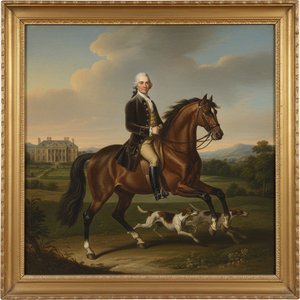
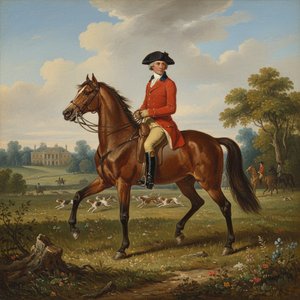
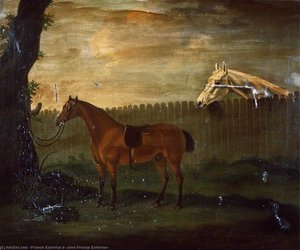
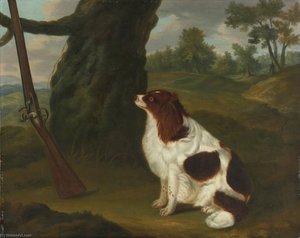
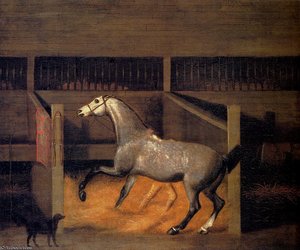
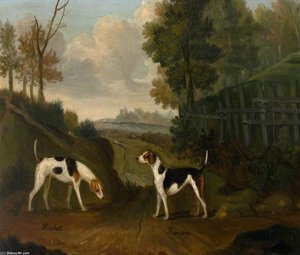
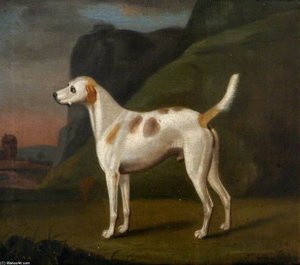
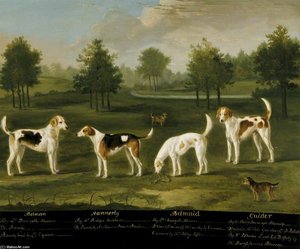
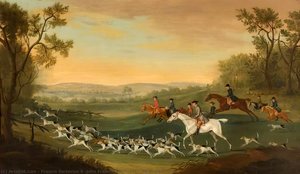
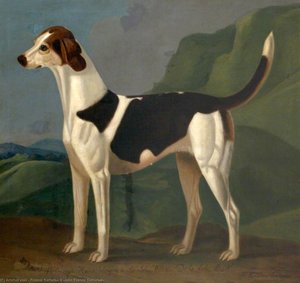
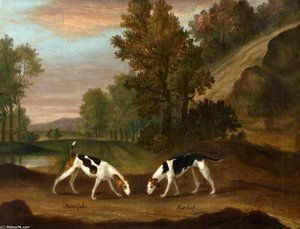
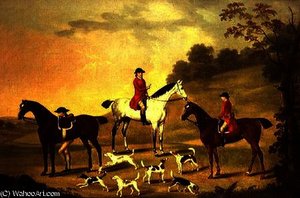
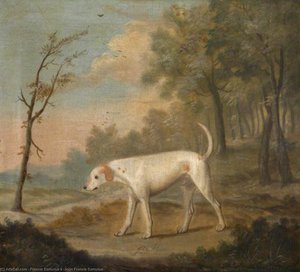
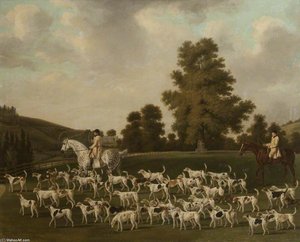
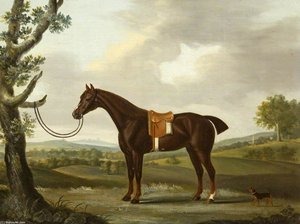
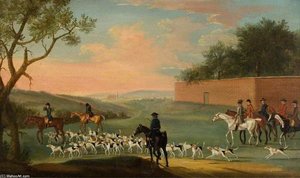
The development of Sartorius’s distinctive style was profoundly shaped by his formal tutelage under the renowned portraitist Jonathan Richardson Sr. From Richardson, Sartorius learned the delicate art of psychological depth and the technical brilliance of glazing—a method involving the painstaking layering of translucent colors to achieve a luminous, lifelike quality. This technique became his signature, enabling him to capture the way sunlight filters through dense woodland foliage or the subtle sheen on a horse’s coat. His works are characterized by an uncanny ability to convey movement; one can almost hear the rhythmic thud of hooves and the baying of hounds within his compositions. Whether working in oil on canvas or the delicate medium of watercolor, Sartorius possessed a remarkable eye for anatomical accuracy and atmospheric realism, transforming mere sporting scenes into breathtaking windows into the 18th century.
A Chronicler of the Georgian Equestrian World
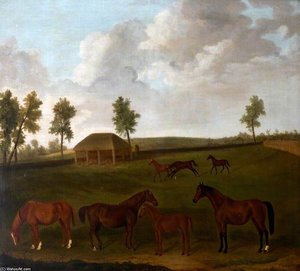
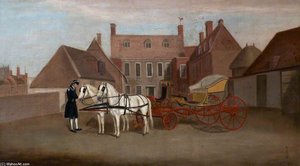
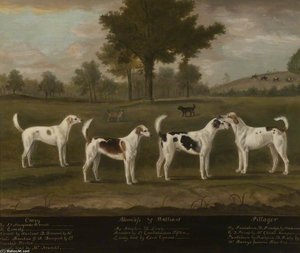
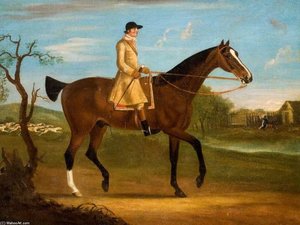
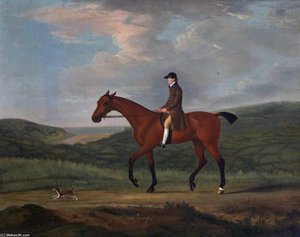
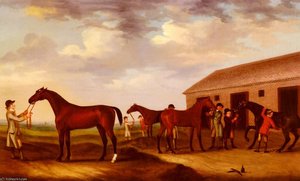
Beyond his technical prowess, the true significance of Francis Sartorius II lies in his role as a visual chronicler of English life. His canvases serve as enduring records of a period defined by the refined culture of the hunt and the prestige of horse racing. Through his meticulous portrayals of riders, grooms, and magnificent steeds, he captured the very essence of British sporting elegance. His repertoire included notable depictions that showcased both the grandeur of the animal and the intimacy of the landscape:
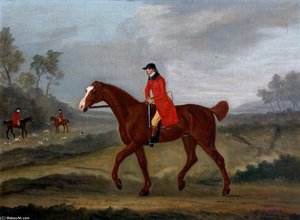
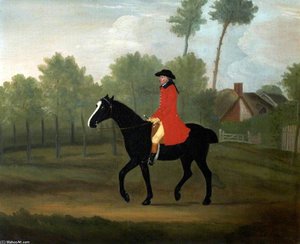
- A Huntsman On A Black Horse Near A Cottage, which exemplifies his ability to blend human narrative with a serene, pastoral setting;
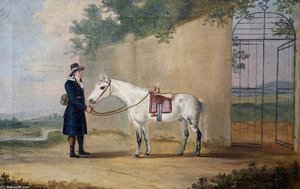
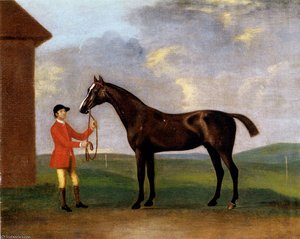
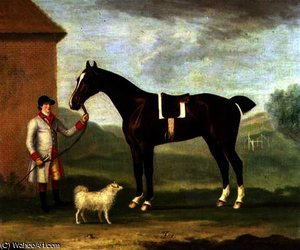
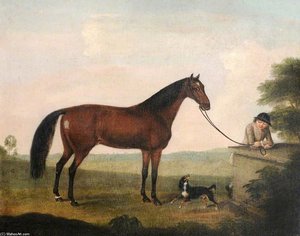
- Captain Dennis O Kelly’s Basilimo Held by a Groom, showcasing the formal dignity and rich textures of equestrian portraiture;
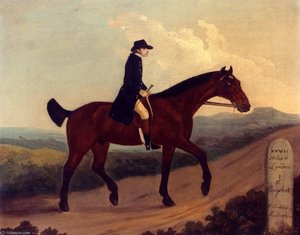
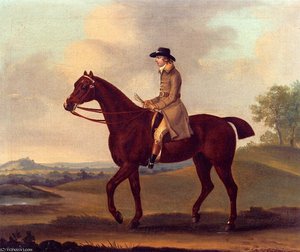
- A Horseman on the Road to Bagshot, illustrating the atmospheric depth and movement inherent in his landscape-driven compositions.
Through these works, Sartorius ensured that the vitality and splendor of the Georgian hunt would remain etched in the annals of art history, leaving behind a legacy that continues to captivate collectors and historians with its unrivaled realism and enduring grace.