Menu
FREE ART CONSULTATION

francisco vieira de matos "o lusitano"

Quick Facts

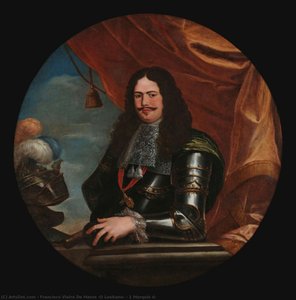
  • Top-ranked work: 1 Marquis d
  • Color intensity: monochromatic
  • Copyright status: Under copyright
  • Born: Portugal
  • Museums on APS:
    • Casa-Museu Dr. Anastácio Gonçalves
    • Museu Nacional dos Coches
    • Museu da Fundação Dionísio Pinheiro e Alice Cardoso Pinheiro
  • Creative periods: mature period
  • More…
  • Nationality: Portugal
  • Typical colors: earthy
  • Also known as: vieira de matos
  • Top 3 works:
    • 1 Marquis d
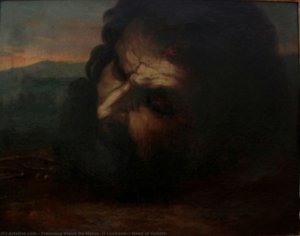
    • Head of Goliath
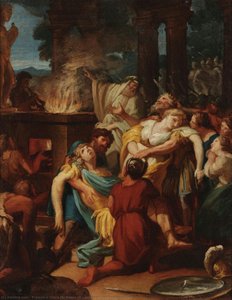
    • Mythological scene
  • Works on APS: 3

Art Quiz

There is only one correct answer for each question.

Question 1:
What artistic style is Francisco Vieira de Matos “O Lusitano” primarily known for?
Question 2:
Which artwork by Francisco Vieira de Matos depicts a biblical scene featuring Christ and Goliath?
Question 3:
Francisco Vieira de Matos’s paintings often convey intense emotion through what technique?
Question 4:
Where was Francisco Vieira de Matos born?
Question 5:
What is the predominant medium used by Francisco Vieira de Matos in his artistic creations?

Francisco Vieira de Matos “O Lusitano”: A Baroque Visionary

Francisco Vieira de Matos, known affectionately as "O Lusitano," remains a captivating figure in Portuguese Baroque art history—a painter whose legacy persists despite the scarcity of biographical details. Born sometime around 1698 in Portugal (the exact location is currently undocumented), his artistic journey unfolded against the backdrop of Lisbon’s vibrant cultural landscape during the reign of King João VI. While precise records concerning his formative years are elusive, scholars believe he honed his skills under the tutelage of António José Campanella, a prominent Baroque artist who championed dramatic compositions and emotive rendering—influences that undeniably shaped Vieira de Matos' distinctive style.

Early Artistic Development & Influences

Vieira Lusitano’s artistic sensibilities were profoundly impacted by the prevailing Baroque aesthetic, characterized by grandeur, theatricality, and an obsession with conveying spiritual fervor. The Lisbon Earthquake of 1755 served as a pivotal moment, triggering widespread devastation and prompting artists to grapple with themes of mortality, faith, and divine providence. Vieira Lusitano’s oeuvre reflects this preoccupation—particularly evident in his depictions of biblical narratives and mythological scenes imbued with palpable emotion. He skillfully employed chiaroscuro—the dramatic interplay between light and shadow—to heighten visual impact and guide the viewer's gaze toward key elements within his canvases.

Notable Works & Artistic Style

Vieira Lusitano’s artistic reputation rests primarily on a handful of remarkable paintings, most notably “Studies for Christ Enraged with the World and the Virgin Placating His Wrath” (1730). This monumental composition showcases Vieira Lusitano's mastery of technique—his meticulous attention to detail, his masterful use of color palettes, and his ability to capture the psychological complexity of his subjects. The painting’s turbulent depiction of Christ’s fury against earthly adversaries underscores Vieira Lusitano’s commitment to conveying profound spiritual truths through visual storytelling. Furthermore, “Head of Goliath” exemplifies his penchant for dramatic poses and expressive facial expressions—a stylistic hallmark that distinguishes him from many of his contemporaries.

Legacy & Historical Significance

Despite the paucity of biographical information, Francisco Vieira de Matos "O Lusitano" cemented his place in Portuguese art history as a pivotal voice within the Baroque movement. His works exemplify the era’s artistic ideals—its embrace of theatrical grandeur and its exploration of existential themes—contributing significantly to Portugal's cultural heritage. The Legion of Honor in San Francisco houses one of his paintings, showcasing the enduring appreciation for his artistic achievements across continents. Vieira Lusitano’s legacy continues to inspire artists and scholars alike, ensuring that “O Lusitano” remains a celebrated figure within Portuguese Baroque art.

Further Exploration

For deeper insights into Francisco Vieira de Matos' life and work, consult resources such as ULAN Full Record Display (Getty Research) – Getty Museum: https://www.getty.edu/vow/ULANFullDisplay?find=500005920&role=&nation=&prev_page=1&subjectid=500005920 and explore related artworks like “Mythological Scene” and “Head of Goliath.”