François Sigisbert Adam (Adam l'aîné) – A Life in Sculpture
François Sigisbert Adam, known as Adam l’aîné (the Elder), was a leading French Rococo sculptor of the 18th century. Born in Nancy, France, in 1700, he established himself as a significant figure in the artistic landscape of his time, renowned for his dynamic sculptures and meticulous restorations.
Early Life and Education
Adam’s artistic journey began within his family. He received his initial training in the studio of his father, Jacob-Sigisbert Adam, a respected sculptor himself. This familial foundation provided him with a strong base in sculptural techniques and an early exposure to the world of art. He later pursued further studies in Paris under the guidance of François Dumont, where he honed his skills and developed his artistic vision.
The Prix de Rome and Italian Influence
A pivotal moment in Adam’s career came in 1723 when he was awarded the prestigious Prix de Rome. This scholarship granted him a year-long opportunity to study at the French Academy in Rome, immersing himself in the rich artistic heritage of Italy. His time in Rome proved transformative, exposing him to classical sculpture and influencing his developing style.
Artistic Style and Development
Adam’s work is characterized by its graceful lines, dynamic compositions, and attention to detail – hallmarks of the Rococo style. While rooted in Baroque traditions inherited from his father, he embraced the lighter, more playful aesthetic of Rococo, incorporating mythological themes and a sense of movement into his sculptures. He also demonstrated skill in Neoclassical elements later in his career.
Major Achievements and Notable Works
- Triumph of Neptune and Amphitrite: Perhaps Adam’s most celebrated work, this monumental lead sculpture was created for the central fountain in the Bassin de Neptune at Versailles. Its dynamic depiction of the sea god Neptune and his consort Amphitrite remains a stunning example of Rococo sculpture.
- Restoration of Roman Antiquities: Adam gained recognition for his meticulous restoration work on twelve statues discovered at the so-called Villa of Marius in Rome. His careful approach preserved these important pieces of classical art for future generations.
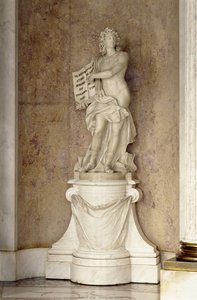
- Statue des Apollo: A stunning Neoclassical marble sculpture depicting Apollo, showcasing his versatility and skill.
Family Legacy and Artistic Connections
François Sigisbert Adam was part of a highly talented artistic family. He was the elder brother of Nicolas-Sébastien Adam (Adam le jeune), also a renowned sculptor, and François Gaspard Balthazar Adam, a painter. This familial connection fostered a collaborative environment and contributed to the flourishing of art within the Adam dynasty.
Historical Significance and Lasting Impact
Adam’s contributions to French sculpture were significant. His work at Versailles cemented his reputation as a leading artist of his time, and his restoration efforts helped preserve invaluable pieces of classical antiquity. His unique style and mastery of the Rococo period have left an indelible mark on the history of art, inspiring subsequent generations of sculptors. His works continue to be admired in prominent collections such as the Louvre Museum in Paris.