The Sacred Artistry of Frederick Leach
In the heart of Cambridge, where the echoes of antiquity meet the burgeoning spirit of the Victorian era, the life of Frederick Richard Leach unfolded as a profound testament to the sanctity of craftsmanship. Born in 1837 into a lineage of artistic endeavor, the son of the craftsman Richard Hopkins Leach, Frederick did not merely view art as a profession but as a spiritual vocation. His deeply held low church Anglicanism breathed life into his creative process, manifesting in the guiding principle that to work is to pray. This devotion transformed every brushstroke and every pane of glass into an act of worship, elevating the decorative arts from mere ornamentation to a medium of divine expression. His early years provided the fertile ground necessary for such a metamorphosis, nurturing a passion for literature and visual beauty that would eventually define the aesthetic landscape of his age.
A Symphony of Collaboration and Design
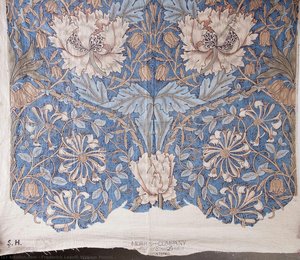
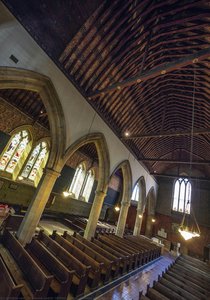
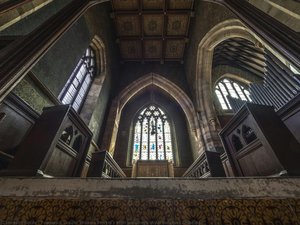
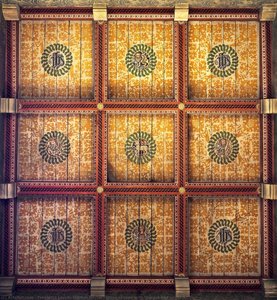
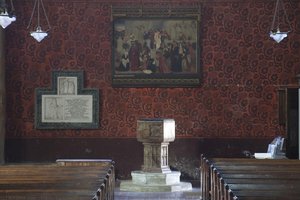
The true brilliance of Leach’s career emerged through his remarkable ability to weave his vision with those of the most influential figures of the Arts and Crafts movement. His workshop, F. R. Leach & Sons, became a crucible for some of the most exquisite decorative works of the nineteenth century. Through close partnerships with the legendary William Morris and the esteemed architects George Frederick Bodley and George Gilbert Scott Junior, Leach helped shape the very essence of the Gothic Revival. Together, they breathed life into sacred spaces, replacing the cold austerity of stone with vibrant murals and luminous stained glass that celebrated organic beauty and intricate detail. His work alongside Morris, particularly in the magnificent east window of All Saints’ Church in Cambridge, stands as a pinnacle of this collaborative genius, where botanical precision met spiritual grandeur, creating a harmonious fusion of artistic sensibilities that remains breathtaking to this day.
The Enduring Legacy of Light and Pattern
Leach's contribution to the decorative arts extends far beyond the borders of Cambridge, leaving an indelible mark on the fabric of English ecclesiastical architecture. His mastery over medium—whether through the delicate application of wall paintings or the complex interplay of light in stained glass—ensured that the interiors of churches and colleges were transformed into immersive environments of contemplation. The legacy of his work is found in several enduring achievements:
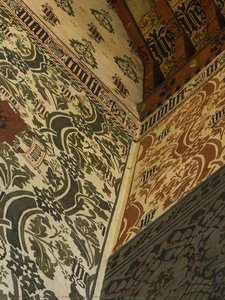
- The meticulous preservation of Gothic Revival aesthetics through masterful mural painting and intricate gold and black patterns.
- The seamless integration of organic, botanical motifs within religious iconography, a hallmark of the Arts and Crafts style.
- A lasting influence on the tradition of English master decorators who viewed the elevation of craftsmanship as a form of spiritual devotion.
Even as the decades passed, the intricate designs characteristic of his era continued to resonate, reminding the world that true art is found in the harmonious union of technical skill and heartfelt devotion. Through his work, Leach ensured that the beauty of the natural world and the solemnity of the divine would forever be intertwined in the windows and walls of history.