George III: The Steadfast Monarch Whose Reign Shaped British History
George William Frederick, King of Great Britain and Ireland (1738-1820), stands as a pivotal figure in the annals of British history – not merely for his long reign but also for its transformative impact on the nation’s political landscape and artistic sensibilities. Born into privilege within Norfolk House, he ascended to the throne in 1760 following the death of his father, Frederick Prince of Wales, marking the beginning of a period defined by stability amidst turbulent times and an enduring fascination with royal portraiture. Unlike many monarchs before him, George III possessed a distinctly English upbringing, fostering a connection to language and culture that would shape his governance and influence the artistic tastes of his era.
- Early Life & Education: Frederick’s formative years instilled in him a profound appreciation for classical learning and military discipline – qualities that would serve him well throughout his illustrious career.
- Ascension to the Throne & Hanoverian Succession: The accession of George III was fraught with challenges, primarily stemming from the precariousness of the Hanoverian dynasty’s position on the European stage. His reign coincided with escalating tensions between Britain and France, culminating in the Seven Years' War (1756-1763), a conflict that tested his leadership and solidified his commitment to defending British interests.
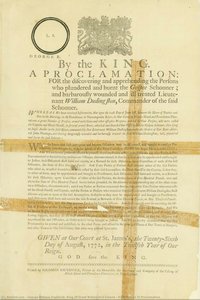
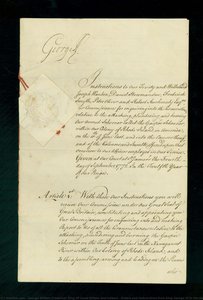
- The Gaspee Affair & Constitutional Crisis: George III’s determination to assert royal prerogative reached its zenith during the Gaspee Affair of 1769, where he dismissed Lord Dartmouth, Chancellor of the Exchequer, due to disagreements over colonial policy. This act triggered a constitutional crisis, highlighting the delicate balance between monarchy and parliament – a dynamic that would continue to dominate British politics throughout his reign.
Artistic Patronage & Portraiture During George III’s Reign
The reign of George III witnessed an unprecedented surge in artistic patronage, fueled by the desire to commemorate royal achievements and solidify dynastic legitimacy. Artists recognized the opportunity to elevate their reputations through commissions from the crown, resulting in a prolific output of portraits that captured the grandeur and solemnity of the monarchy. Notable painters like Thomas Gainsborough, Joshua Reynolds, and Sir Anthony Van Dyck excelled during this period, producing iconic images that continue to resonate with audiences today. These portraits weren’t simply representations of individuals; they were carefully crafted symbols intended to convey power, virtue, and continuity – reflecting the values championed by George III himself.
- Thomas Gainsborough: Known for his serene landscapes and psychologically astute portraits, Gainsborough skillfully captured George III's contemplative gaze and dignified demeanor. His canvases embody the ideals of Georgian aristocracy—quiet contemplation alongside duty.
- Joshua Reynolds: Reynolds’s mastery of technique and dramatic lighting elevated portraiture to new heights. He meticulously studied anatomy and color theory, producing portraits that conveyed both physical beauty and inner character.
Legacy & Historical Significance
George III's reign concluded in 1820 with his death, marking the end of an era characterized by unwavering royal authority and a profound influence on British culture. However, his legacy extends far beyond mere chronology—he presided over the Act of Union in 1800, uniting Great Britain and Ireland into a single kingdom, fundamentally reshaping the political landscape of the Isles. Furthermore, his steadfast defense of constitutional principles during periods of crisis served as an inspiration for future generations of reformers. Though remembered today primarily for his artistic patronage, George III’s role in shaping British history remains undeniable—a testament to the enduring power of leadership and the transformative potential of art.