Giovanni Battista Salvi da Sassoferrato: A Master of Baroque Archaisms
Giovanni Battista Salvi da Sassoferrato (August 25, 1609 – August 8, 1685) stands as a pivotal figure in Italian Baroque painting, celebrated for his unwavering devotion to the artistic ideals of Raphael and his ability to imbue religious scenes with profound emotional depth. Born in Sassoferrato, Umbria, Salvi’s formative years were steeped in humanist scholarship and artistic tradition—influences that would profoundly shape his distinctive style and enduring legacy. Unlike many contemporaries who embraced flamboyant ornamentation and dramatic theatricality, Salvi championed a restrained elegance characterized by meticulous observation of nature and an adherence to classical proportions. This stylistic preference distinguishes him as one of the last great masters of Raphael’s maniera classica, securing his place among the foremost artists of his era.
- Early Life & Training: Salvi received his initial artistic education from his father, a sculptor, fostering an early appreciation for sculptural form and technique. He subsequently studied under Benedetto Buonati in Perugia and later traveled extensively throughout Europe, absorbing influences from Flemish Mannerism and Venetian Renaissance painting. These experiences broadened his artistic horizons and honed his skills in capturing nuanced expressions of emotion and spiritual contemplation.
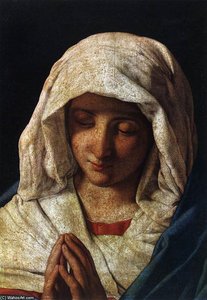
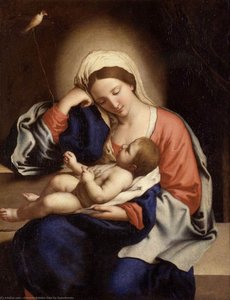
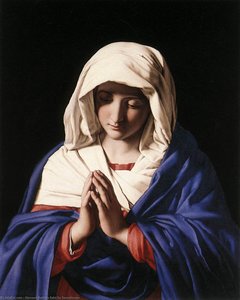
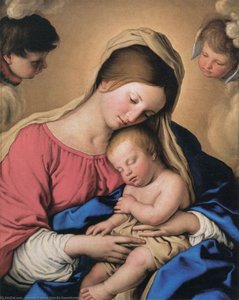
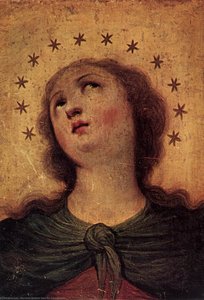
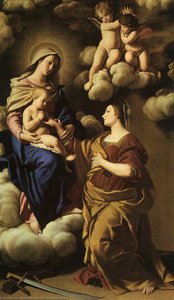
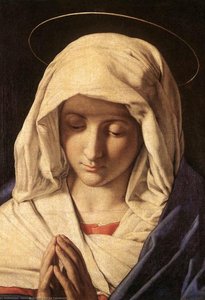
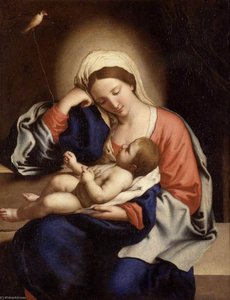
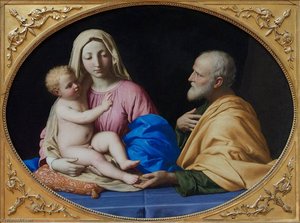
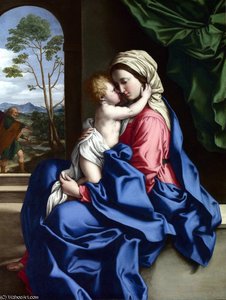
- Notable Works: Salvi’s oeuvre comprises approximately 150 paintings, predominantly religious compositions depicting the Virgin Mary and infant Jesus—subjects that resonated deeply with the piety of his time. Among his most revered masterpieces are “The Sleep of the Infant Jesus” (circa 1648), a serene depiction capturing the tender vulnerability of motherhood; “The Virgin in Prayer” (circa 1650), showcasing an exquisitely rendered Madonna bathed in ethereal light; and “Madonna and Child” (circa 1650), demonstrating Salvi’s mastery of compositional balance and subtle tonal gradations.
- Technique & Style: Salvi's artistic approach was marked by meticulous attention to detail, achieved through painstaking preparatory sketches and the use of glazing techniques—a hallmark of Baroque painting—that allowed for luminous color palettes and atmospheric effects. He skillfully employed pyramidal compositions reminiscent of Raphael’s frescoes in Stanza della Segnatura, emphasizing stability and grandeur while simultaneously conveying a sense of spiritual solemnity.
- Influence & Legacy: Salvi's unwavering commitment to classical ideals served as an anchor amidst the stylistic excesses of his time, influencing subsequent generations of artists who sought to emulate his refined aesthetic sensibilities. His works continue to inspire admiration for their serene beauty and profound psychological insight—testaments to Salvi’s enduring contribution to the artistic canon of the Baroque period.
- Later Years & Death: Salvi spent his final years in Rome, where he accepted commissions from prominent patrons and continued to refine his craft until his death in 1685. His legacy extends beyond his paintings themselves; he was also a respected teacher who nurtured the talents of numerous aspiring artists—solidifying his position as one of Umbria’s most celebrated artistic figures.
Exploring Salvi's Artistic Vision: Raphael and Mannerism
Salvi’s artistic sensibility was fundamentally shaped by his admiration for Raphael, whom he considered the embodiment of classical beauty and harmonious proportion. Like Raphael, Salvi rejected the flamboyant gestures and theatrical displays favored by many Baroque artists, prioritizing instead a contemplative gaze and an understated elegance—a stylistic choice that distinguishes him from his contemporaries. This devotion to Raphael’s maniera classica is evident throughout his oeuvre, particularly in compositions featuring pyramidal structures and idealized figures bathed in diffused light. Furthermore, Salvi absorbed influences from Flemish Mannerism, recognizing the expressive potential of subtle distortions and stylized poses—techniques he skillfully integrated into his paintings without abandoning his core aesthetic principles.
Iconic Paintings: A Reflection of Baroque Spirituality
“The Sleep of the Infant Jesus” exemplifies Salvi’s masterful ability to convey profound emotion through serene visual imagery. The painting depicts Mary cradling her son asleep, bathed in a soft glow—a scene rendered with exquisite tenderness and imbued with symbolic significance—reflecting the Virgin’s maternal devotion and highlighting the sanctity of infancy. Similarly, “The Virgin in Prayer” captures Mary's contemplative posture—characterized by graceful drapery and subtle facial expressions—demonstrating Salvi’s profound understanding of human psychology and his capacity to translate spiritual experience into visual form. "Madonna and Child" showcases Salvi’s technical prowess and compositional brilliance—a testament to his unwavering dedication to classical ideals and his ability to create paintings that resonate with timeless beauty.
Salvi's Contribution to Umbrian Art History
Giovanni Battista Salvi da Sassoferrato’s artistic output profoundly impacted Umbrian art history, establishing him as a cornerstone of Baroque painting in the region. His stylistic innovations—particularly his adherence to Raphael’s maniera classica and his incorporation of Mannerist techniques—served as an inspiration for subsequent artists striving to achieve similar levels of refinement and expressive power. Moreover, Salvi's patronage by influential ecclesiastical figures ensured that his works would adorn prominent churches throughout Umbria—contributing significantly to the artistic heritage of the area. His legacy continues to inspire admiration for his unwavering commitment to artistic excellence and his enduring contribution to the cultural landscape of Italy.