Table of Contents
Quick Facts
- Typical colors:
- neutrals
- earthy
- Lifespan: 52 years
- Works on APS: 18
- Museums on APS: Biennale Internazionale dell'Antiquariato di Firenze
- Copyright status: Public domain
- Born: 1814, Belluno, Italy
- Died: 1866
- More…
- Color intensity:
- monochromatic
- balanced
- Art period: 19th Century
- Nationality: Italy
- Topics explored:
- italy
- night
- Top 3 works:
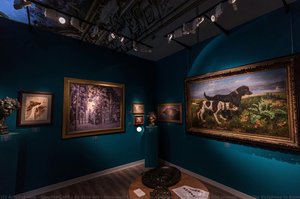
- AL Fine Art - Antonacci Lapiccirella\n\nView of the aqueduct and orangerie of Villa Borghese in Rome
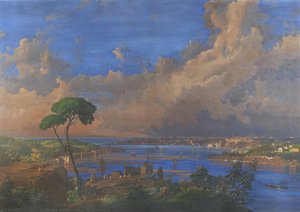
- View of Istanbul
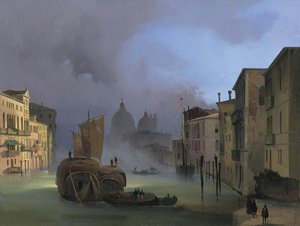
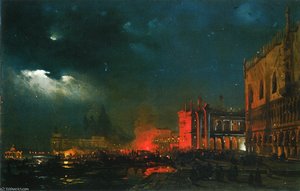
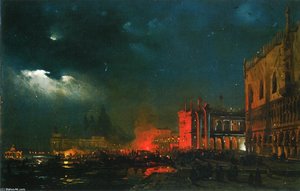
- Venice
- Top-ranked work: AL Fine Art - Antonacci Lapiccirella\n\nView of the aqueduct and orangerie of Villa Borghese in Rome
Art Quiz
There is only one correct answer for each question.
Question 1:
Where was Ippolito Caffi born?
Question 2:
What is Ippolito Caffi primarily known for painting?
Question 3:
In what artistic movement did Caffi’s work fall?
Question 4:
Which Venetian landmark frequently appeared in Caffi's paintings?
Question 5:
What technique did Caffi use to depict the atmosphere of Venice?
Related Articles

Beyond the Horizon: 10 Landscape Masterpieces for Your Home Decor
Journey through 10 breathtaking landscape paintings by Monet, Van Gogh & more! Explore iconic artworks, artistic techniques & find inspiration for your home decor. Museum-quality reproductions at ArtsDot.com. Discover all masterpieces on ArtsDot.com


Romantic Landscapes: 10 Masterpieces for Your Home | ArtsDot
Journey through 10 Romantic landscape masterpieces by Friedrich, Turner & Cole. Explore emotional art, sublime nature scenes & iconic 19th-century paintings. Find museum-quality reproductions for your home at ArtsDot.com – discover the full collection online!

Evocations of Place: A Historical Journey Through Landscape Art
Explore the rich history of landscape art with ArtsDot. Discover renowned artists, movements like Impressionism & Romanticism, and expert guidance for collecting timeless pieces. Find your perfect serene escape today!