Jean Lemaire-Poussin: A Harmonious Synthesis of Classical Idealism and Landscape Vision
Jean Lemaire-Poussin (1598 – 1659) stands as a pivotal figure in French Baroque art, renowned for his masterful depictions of classical landscapes interwoven with mythological narratives. Born in Dammartin-en-Goële, he embarked on an artistic journey marked by meticulous study under Claude Vignon and subsequent relocation to Rome, where he established enduring connections with Nicolas Poussin – a collaboration that profoundly shaped his oeuvre and cemented his place within the artistic landscape of the era.
- Early Influences & Training: Lemaire’s formative years were steeped in humanist scholarship and classical aesthetics. Vignon instilled in him a deep appreciation for disegno, the Italian technique emphasizing careful observation and anatomical accuracy, preparing him for the challenges of mastering the complexities of Renaissance perspective.
- Roman Period (1613-1640): Lemaire’s arrival in Rome signaled a transformative period characterized by immersion in the artistic fervor of the papal court. He diligently honed his skills alongside Poussin, absorbing influences from Raphael and Michelangelo – masters who championed idealized beauty and harmonious composition. This formative experience would become the bedrock for his distinctive style.
- Collaboration with Poussin: The partnership between Lemaire and Poussin transcended mere artistic association; it fostered a shared intellectual vision. Together, they tackled ambitious decorative commissions – notably the grand scheme adorning Philip IV’s Buen Retiro Palace – where Lemaire conceived of architectural landscapes imbued with mythological grandeur. His meticulous attention to detail and compositional balance mirrored Poussin's own approach.
Distinctive Style & Artistic Technique
Lemaire-Poussin’s artistic style is characterized by a remarkable blend of classical idealism and landscape realism. He eschewed the dramatic theatricality prevalent in some Baroque circles, favoring instead serene vistas populated with figures rendered in subtle hues and bathed in diffused light. His landscapes are meticulously crafted to convey an impression of timeless beauty—a deliberate echo of antiquity—while simultaneously incorporating elements of observation and scientific accuracy. The use of atmospheric perspective – a technique perfected by Poussin – contributes significantly to the illusionistic depth and grandeur of his canvases.
- Palette & Composition: Lemaire’s palette favored earthy tones—ochres, siennas, umbers—creating a harmonious visual experience that prioritized tonal gradation over bold color contrasts. His compositions adhered to pyramidal structures – a compositional device borrowed from classical sculpture – guiding the viewer's gaze and emphasizing stability.
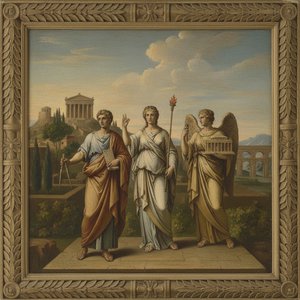
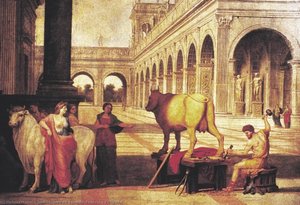
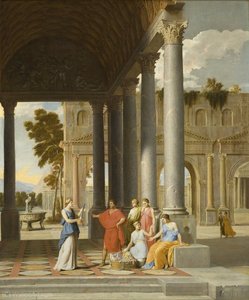
- Mythological Integration: Despite his preference for landscapes, Lemaire seamlessly integrated mythological figures into his scenes—often depicted in idealized garb amidst tranquil pastoral settings. These figures served not merely as decorative embellishments but as conduits for conveying moral lessons rooted in humanist philosophy.
Notable Works & Legacy
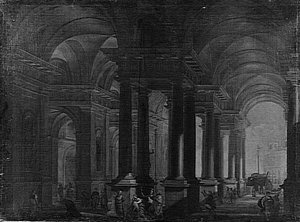
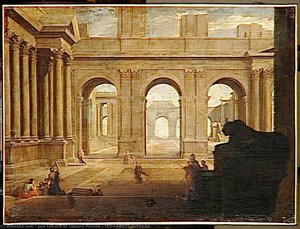
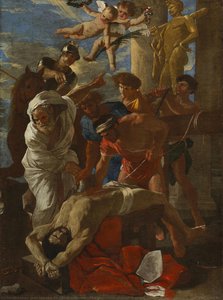
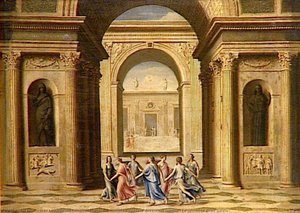
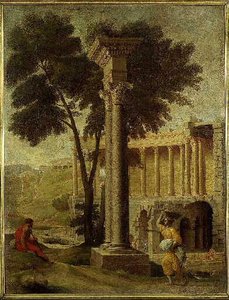
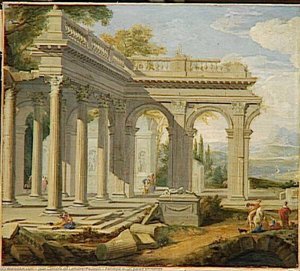
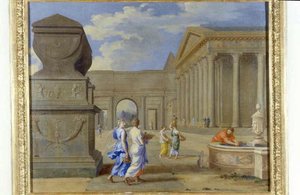
Among Lemaire’s most celebrated paintings are “Monuments Antiques,” a monumental depiction of Roman ruins imbued with profound symbolic resonance; “The Martyrdom of Saint Erasmus,” showcasing exquisite anatomical detail and conveying spiritual pathos; and “Nymphes dansant devant un temple (Le péristyle d'u palais),” capturing the ethereal beauty of classical architecture and embodying the ideals of Renaissance harmony. His contribution to the decorative scheme at Versailles—particularly the grand galerie – solidified his reputation as a master craftsman and cemented his legacy as one of France’s foremost landscape painters.
Historical Significance
Jean Lemaire-Poussin's artistic output represents a crucial juncture in French Baroque art, bridging the gap between Mannerism and Neoclassicism. His unwavering commitment to classical principles—particularly disegno and atmospheric perspective—influenced subsequent generations of artists and contributed significantly to the revival of humanist ideals within European culture. He remains an enduring symbol of artistic excellence and intellectual rigor – a testament to the transformative power of observation, scholarship, and collaborative creativity.