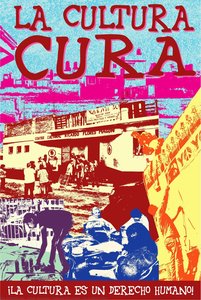
The Pulse of Resistance: The Art of Dignidad Rebelde
Dignidad Rebelde is far more than a collaborative moniker; it is a visual manifesto etched in ink and purpose. Comprised of the visionary artists Jesus Barrazas and Melanie Cervantes, this partnership stands as a profound testament to the transformative power of art when it is inextricably woven into the fabric of social advocacy. Their practice does not merely seek to decorate a space but to command attention, utilizing visually arresting prints to champion marginalized voices and illuminate the critical struggles facing communities across California and beyond. Through their hands, the defense of ethnic studies, the fight for immigrant rights, and the pursuit of youth empowerment are rendered in striking, indelible forms that serve as catalysts for both dialogue and direct action.Roots of Resourcefulness and Color
The aesthetic language of Barrazas and Cervantes was forged long before they entered formal studios, shaped by the vibrant, textured landscapes of their youth. For Jesus Barrazas, the cultural richness of El Paso, Texas, provided an early foundation in visual storytelling, a heritage rooted deeply in the traditions of the American Southwest. Melanie Cervantes, raised amidst the socioeconomic complexities of Harbor City, California, brought an observational sharpness born from navigating challenging environments.Their shared artistic sensibilities were further nurtured by intimate, everyday lessons in resourcefulness and color theory. Both artists recall the profound impact of assisting their mothers at swap markets, where the interplay of hues and textures first captured their imaginations. This was complemented by witnessing the ingenuity of a father who could repurpose discarded materials into something new—a lesson in transformation that would later become a cornerstone of their creative philosophy.
The Convergence of Scholarship and Social Practice
The power of Dignidad Rebelde lies in its ability to marry rigorous academic inquiry with the raw energy of community-based activism. Their educational journeys provided the intellectual scaffolding for their visual protests. Barrazas, through his studies in Raza Studies at San Francisco State University, developed a critical lens essential for dissecting systemic inequities. Simultaneously, Cervantes grounded her vision within the scholarly frameworks of Ethnic Studies at UC Berkeley, later refining her methodology through an MFA in Social Practice and Visual Critical Studies at the California College of the Arts.This unique blend of expertise allows them to approach printmaking not just as a technical craft, but as a sophisticated tool for social critique. Their work often features:
- Ornate Calligraphy: Using text to weave narratives of resistance directly into the imagery.
- Vibrant Symbolism: Drawing from Xicana traditions to celebrate identity and resilience.
- Graphic Impact: Utilizing bold, screen-printed aesthetics that demand visibility in public spaces.