A Life Etched in Light: The Photography of Laura Aguilar
Laura Aguilar, born in San Gabriel, California, in 1959 and passing away in 2018, was a photographer whose work served as a powerful act of self-definition and a poignant chronicle of marginalized communities within the Los Angeles art landscape. Her photographs weren’t simply images; they were declarations of existence, explorations of identity, and challenges to conventional representation. Aguilar's heritage – a rich blend of Native Californian, Mexican, and Irish ancestry – deeply informed her artistic vision, fostering a sensitivity towards those often overlooked or misrepresented by mainstream culture. Growing up in the San Fernando Valley, she witnessed firsthand the complexities of cultural hybridity and the struggles for visibility that would later become central themes in her art. She didn’t just document life; she *lived* it through her lens, transforming personal experiences into universal narratives of resilience and self-acceptance.
Early Influences & Artistic Development
Aguilar's path to photography wasn’t a conventional one. While formally trained, her most significant education came from the world around her – the vibrant Chicano art movement, the burgeoning queer communities of Los Angeles, and the raw energy of street life. She absorbed the spirit of artists like
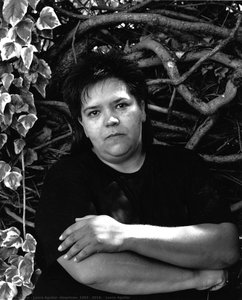
Judith Baca, whose mural work celebrated community history and challenged dominant narratives, and found kinship with photographers who dared to portray subjects outside the established canon. Initially working in a more documentary style, Aguilar quickly gravitated towards self-portraiture as a means of reclaiming her own image and challenging societal expectations. This wasn’t vanity; it was an act of empowerment. Her early work often featured stark black and white images of herself against urban backdrops, confronting the viewer with a direct gaze that demanded recognition. She began to understand the power of using her body as a canvas for exploring themes of sexuality, ethnicity, and class.
Major Works & Recurring Themes
Aguilar’s oeuvre is characterized by its unflinching honesty and intimate portrayal of both herself and others. Her series
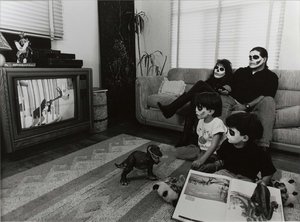
"Endangered Species", perhaps her most iconic work, features self-portraits in various states of undress within the landscapes of Southern California. These images are not about sexualization but vulnerability; they speak to a sense of displacement, environmental concerns, and the fragility of identity. The juxtaposition of Aguilar’s body with the natural world highlights both its beauty and its precariousness. She also dedicated significant time documenting the lives of her friends and family, particularly within the Chicano and queer communities of Los Angeles. Her portraits are not idealized; they capture the everyday realities of life – joy, struggle, love, loss – with a profound sense of empathy. Another important series,
"Seven Days", offered an incredibly personal look into her daily life, blurring the boundaries between public and private.
Historical Significance & Legacy
Laura Aguilar’s work arrived at a pivotal moment in art history – a time when artists were increasingly challenging traditional notions of representation and advocating for greater inclusivity. She was a pioneer in using photography as a tool for social justice, giving voice to communities that had long been silenced. Her self-portraits broke down barriers and paved the way for other artists to explore their own identities with courage and authenticity. Aguilar’s influence extends beyond the realm of photography; her work has resonated with scholars and activists across disciplines, inspiring conversations about race, gender, sexuality, and environmentalism. She challenged the art world's predominantly white, male gaze, creating space for diverse voices and perspectives.
- Her photographs are now held in major museum collections, including the Museum of Modern Art in New York and the Los Angeles County Museum of Art.
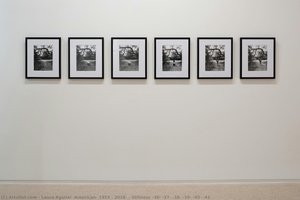
- Aguilar’s work continues to be exhibited internationally, ensuring that her message of self-acceptance and social justice reaches new audiences.
- She is remembered as a fearless artist who used her lens to create a more just and equitable world.
A Lasting Impression
Laura Aguilar’s legacy isn't simply about the photographs she created, but the impact they had – and continue to have – on those who encounter them. She demonstrated that art can be a powerful force for change, capable of challenging assumptions, fostering empathy, and celebrating the beauty of human diversity. Her work remains a testament to the power of self-representation and a reminder that every life deserves to be seen, acknowledged, and celebrated. She left behind not just an impressive body of work but also a blueprint for artists seeking to use their voices to create a more inclusive and compassionate world.