Lygia Sampaio de Azevedo Fagundes: A Pioneer of Bahian Modernism
Lygia Sampaio de Azevedo Fagundes (1928-2023) stands as a singular figure in Brazilian art history, representing not only the burgeoning modernist movement within Bahia but also embodying a courageous spirit—one that defied societal expectations and championed artistic experimentation. Born in Salvador, Brazil, her life was marked by an unwavering dedication to visual storytelling and a profound engagement with Afro-Brazilian culture, themes that permeate her photographic oeuvre and solidify her legacy as one of the most influential women artists of her time.Early Life and Artistic Formation
Growing up amidst the vibrant rhythms of Bahia’s cultural landscape profoundly shaped Lygia's artistic sensibilities. Despite facing considerable obstacles in a field dominated by male voices, she pursued her passion for photography with tenacity and determination. Influenced by luminaries like Artur Azevedo—a playwright who championed realism and explored social issues—and Rachel de Queiroz—whose novels tackled themes of identity and resilience—Lygia honed her craft through rigorous observation and meticulous composition. Her formative years instilled in her a deep appreciation for the complexities of human experience and fueled her desire to capture moments of beauty and significance within everyday life.The Bahian Modernist Movement: A Singular Vision
Lygia’s involvement with Bahia's modernist movement was particularly noteworthy, marking her as the sole woman artist participating in this influential artistic collective. This group sought to redefine Brazilian identity through innovative visual mediums—primarily photography—challenging prevailing stereotypes and celebrating the richness of Bahian traditions. Collaborating closely with Vinicius de Moraes—a poet who explored themes of melancholy and longing—Lygia embraced a stylistic approach characterized by bold color palettes, unconventional framing techniques, and an uncanny ability to convey emotion without resorting to explicit narrative. Her photographs weren’t merely representations of places; they were imbued with symbolic resonance, reflecting the spirit of Bahia's cultural heritage.Notable Works and Recognition
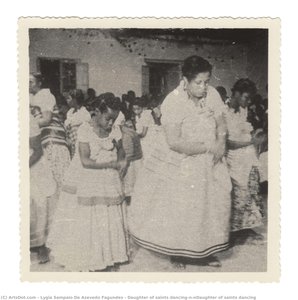
Lygia Sampaio’s artistic output is distinguished by its unwavering commitment to capturing the essence of Bahian life—particularly its Afro-Brazilian traditions. Her masterpiece, “Daughter of Saints Dancing,” exemplifies this ethos. Presented at the Museu de Arte da Bahia in Salvador, Brazil, this photograph encapsulates the dynamism and spirituality of Bahia's religious celebrations. It’s a testament to Lygia’s skill as a storyteller and her ability to transform ordinary scenes into extraordinary expressions of cultural identity. Furthermore, her work has garnered international acclaim, appearing in galleries across Europe and North America—a recognition that underscores its enduring relevance and artistic merit.Legacy and Historical Significance
Lygia Sampaio de Azevedo Fagundes passed away peacefully in 2023, leaving behind a remarkable body of photographic work that continues to inspire artists and scholars alike. Her contribution to Brazilian art history transcends mere stylistic innovation; she bravely challenged gender norms within the artistic realm and championed the representation of Afro-Brazilian culture—a crucial step toward fostering greater understanding and appreciation for Bahia’s multifaceted heritage. As an artist who dared to defy convention, Lygia Sampaio remains a beacon of creativity and resilience—a symbol of Brazilian art's unwavering pursuit of beauty and truth.- Published: Selling Black Brazil: Race, Nation, and Visual Culture in Salvador, Bahia
- Website: https://dokumen.pub/selling-black-brazil-race-nation-and-visual-culture-in-salvador-bahia-9781477324202.html