María Teresa Burga Ruiz (1935-2021): A Pioneer of Peruvian Conceptual and Media Art
- Born: Iquitos, Peru, 1935
- Died: Lima, Peru, 2021
María Teresa Burga Ruiz, also known as Teresa Burga, was a groundbreaking Peruvian artist whose work spanned multimedia and conceptual art forms. Born in the Amazonian city of Iquitos, her artistic journey led her to become a pivotal figure in Peruvian art history, recognized for her pioneering contributions to media art, technology-based art, and installation art – fields that were nascent in Peru during her active years.
Early Life and Artistic Development
- Burga's early life in Iquitos likely influenced her later exploration of identity and social structures within Peruvian society.
- She began experimenting with various media, moving beyond traditional artistic boundaries to incorporate technology and conceptual frameworks into her practice.
- The late 1960s and 1970s marked a crucial period in Burga's development as an artist. It was during this time that she produced some of her most significant works, establishing her reputation as a visionary innovator.
Key Works and Artistic Style
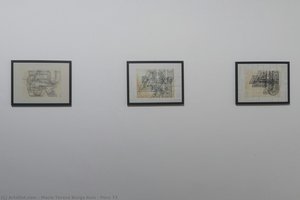
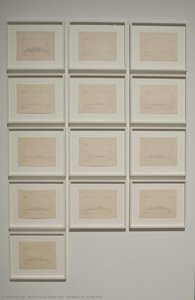
- Untitled, 14, 15.04.1974: Perhaps Burga's most celebrated work, this series of monochrome drawings exemplifies her minimalist aesthetic and conceptual approach. The stark imagery invites contemplation on time, process, and the nature of representation. View Artwork
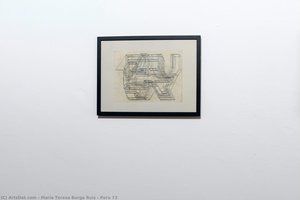
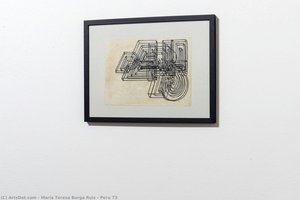
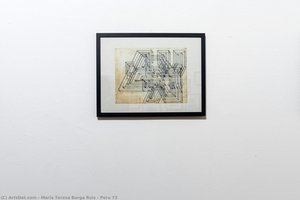
- Peru 73: This abstract ink drawing showcases Burga's exploration of geometric forms and layered structures, reflecting a broader engagement with the social and political landscape of Peru in 1973. View Artwork
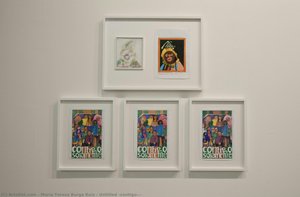
- Untitled (contigo….): Demonstrates her versatility across different mediums. View Artwork
- Her artistic style is characterized by a reduction to essential forms, often employing monochrome palettes and repetitive patterns. This minimalist approach serves as a vehicle for exploring complex conceptual ideas.
Influences and Historical Significance
- Burga's work was influenced by the broader international trends in Conceptual Art and Minimalism that emerged in the 1960s and 70s.
- She is considered a precursor to media art and installation art in Peru, paving the way for subsequent generations of artists who embraced new technologies and expanded the boundaries of artistic expression.
- Her exploration of identity, feminism, and social structures within Peruvian society positions her as a significant contributor to Latin American feminist art.
- Burga's legacy lies in her ability to synthesize conceptual rigor with innovative use of media, creating works that are both aesthetically compelling and intellectually stimulating.
Legacy and Recognition
- María Teresa Burga’s work has gained increasing recognition posthumously, solidifying her place as a pivotal figure in Peruvian art history.
- She is now celebrated for her pioneering spirit and her contribution to the development of contemporary art practices in Peru.
- Her influence can be seen in the work of younger Peruvian artists who continue to explore themes of identity, technology, and social change.