Martino di Bartolomeo (1389 – 1434): The Last Maestro of Siena
Martino di Bartolomeo di Biagio, often simply Martino di Bartolomeo, stands as a pivotal figure in the waning years of the Trecento and heralds the dawn of the Quattrocento in Siena. Born around 1389—precise dates remain elusive—he emerged from the workshop of Taddeo di Bartolo, absorbing stylistic influences that would define his distinctive artistic vision. His career spanned nearly four decades, culminating in a prolific output of frescoes and altarpieces that cemented his reputation as one of Siena’s foremost artists during a period marked by profound cultural transformation.
- Early Training & Pisa Collaboration: Martino's formative years were spent honing his skills under Taddeo di Bartolo, absorbing the master’s meticulous attention to detail and embracing the expressive dynamism characteristic of Florentine painting. Crucially, he partnered with Giovanni di Pietro da Napoli in Pisa during this period, undertaking ambitious fresco commissions that showcased his burgeoning talent and established him as a respected artist within the burgeoning artistic landscape of Tuscany.
- Return to Siena & Duomo Frescoes: Martino’s return to Siena in 1405 marked the beginning of an extraordinarily productive phase. He swiftly secured prestigious roles decorating the cathedral—the Duomo—with monumental frescoes depicting scenes from the Gospels, demonstrating his mastery of perspective and color theory. These works exemplify the stylistic innovations emerging from Florence and represent a cornerstone of Sienese Renaissance art.
- Palazzo Pubblico Commissions & Artistic Legacy: Martino’s influence extended beyond ecclesiastical commissions; he was entrusted with decorating the Palazzo Pubblico—the city hall—with frescoes illustrating allegorical narratives reflecting Siena's civic ideals. His meticulous craftsmanship and profound understanding of humanist principles solidified his legacy as a champion of artistic excellence and intellectual curiosity.
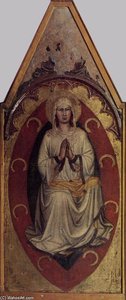
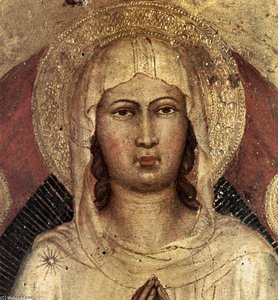
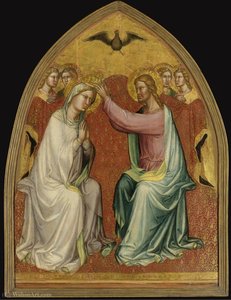
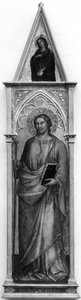
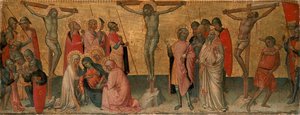
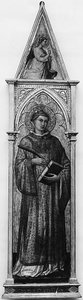
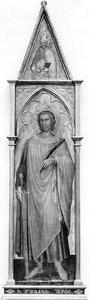
- Notable Works: Among Martino’s most celebrated achievements are “Assumption of the Virgin” (circa 1420), housed in the Museo Civico di Castelnuovo Garibaldi, and “Saint Stephen (with the Angel of the Annunciation)” displayed at The Metropolitan Museum of Art. These paintings exemplify his signature style—characterized by serene compositions, luminous colors, and a masterful depiction of drapery—reflecting the humanist ideals prevalent during his time.
- Influence & Significance: Martino di Bartolomeo’s artistic output profoundly impacted Siena's cultural identity and served as an inspiration for subsequent generations of painters. He represents the final chapter in the Trecento tradition, seamlessly transitioning into the Quattrocento aesthetic while preserving the expressive power and spiritual depth that defined Sienese art during its golden age.
Sources:
- Bellosi, Luciano. *Storia dell'arte italiana*. Vol. VI. Firenze: Sans souci editore, 1908.
- Günther, Jörn. *Jacopo Della Quercia*. Columbia University Press, 1992.
- Venturi, Adolfo. *Storia dell’arte italiana*. Vol. VI. Firenze: Sans souci editore, 1908.
Further Reading:
- El Paso Museum of Art, *The Samuel H. Kress Collection*. El Paso, NM: El Paso Museum of Art, 1961.
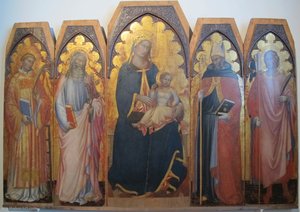
- Pinacoteca Nazionale, Siena: Altarpiece with Saints James, Catherine, Magdalen and Ansano
External Links: