Menu
FREE ART CONSULTATION

master of the codex of saint george

Quick Facts

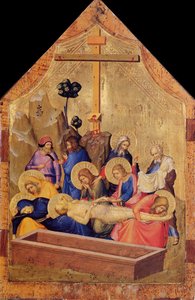
  • Top-ranked work: The Lamentation
  • Top 3 works:
    • The Lamentation
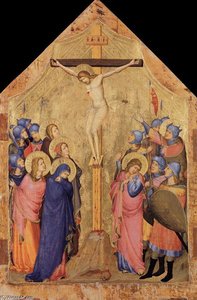
    • The Crucifixion
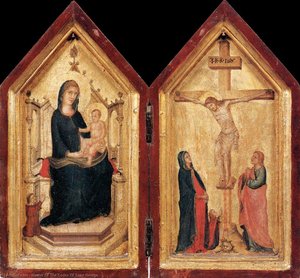
    • Diptych
  • Museums on APS:
    • Biblioteca Apostolica
    • Pierpont Morgan Library
    • Metropolitan Museum of Art
  • Born: Italy
  • More…
  • Works on APS: 7
  • Also known as: Giovanni Battista (?)
  • Copyright status: Under copyright
  • Nationality: Italy

Art Quiz

There is only one correct answer for each question.

Question 1:
Q1
Question 2:
Q2
Question 3:
Q3
Question 4:
Q4
Question 5:
Q5

MASTER OF THE CODEX OF SAINT GEORGE

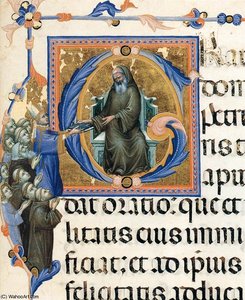
The Master of the Codex Saint George, whose identity remains shrouded in mystery despite scholarly efforts, stands as a pivotal figure within the vibrant tapestry of International Gothic art—a style characterized by its blend of elegance and solemnity that flourished across Europe during the late 14th and early 15th centuries. While his name is absent from surviving biographical records, his legacy endures through an astonishingly prolific output of illuminated manuscripts, primarily Gospels and Psalters, which demonstrate unparalleled skill in pigment preparation, gilding, and intricate decorative design.

Early Life & Artistic Training

Little is known about the Master’s formative years. He emerged onto the artistic scene around 1405-1410 in Verona, Italy—a city renowned for its burgeoning artistic patronage during this period. Evidence suggests he received his initial training under Maestro Benedetto Cristoforo, a prominent Veronese illuminator who himself had traveled extensively to Constantinople and Syria, absorbing influences from Byzantine iconography. This exposure undoubtedly shaped the Master’s aesthetic sensibilities, favoring stylized figures, rich color palettes—particularly blues and reds—and meticulous attention to detail.

The Codex Saint George: A Monumental Achievement

The Codex Saint George, housed in the Pellegrini Chapel of Sant'Anastasia Basilica in Verona, represents the apex of the Master’s artistic prowess. Commissioned by the wealthy Pellegrini family, this monumental manuscript showcases a breathtaking panorama of artistic innovation. Measuring approximately 38 cm x 26 cm, it comprises 105 folios adorned with exquisitely rendered scenes from the Gospels—primarily Matthew and Luke—and elaborate musical notations. The Codex’s vibrant colors—produced using innovative pigment preparation techniques—are achieved through careful grinding of minerals like lapis lazuli (for ultramarine blue), malachite (for green), and cinnabar (for red)—a testament to the Master's mastery of chemical processes. Furthermore, the intricate gilding—particularly on the initial letters and decorative borders—adds a shimmering luminescence that elevates the manuscript’s visual impact. The Codex Saint George is considered one of the finest examples of International Gothic illumination, demonstrating unparalleled stylistic sophistication and technical virtuosity.

Stylistic Influences & Artistic Legacy

The Master's style reflects the broader trends of International Gothic art, drawing inspiration from Byzantine iconographic traditions while simultaneously embracing humanist ideals emerging from Florence. His figures possess a graceful posture and expressive gestures—characteristic of the style’s preoccupation with human emotion—and are rendered with remarkable realism despite their stylized forms. The meticulous attention to detail—evident in the depiction of drapery folds, facial expressions, and ornamental borders—underscores the Master's commitment to artistic excellence. Beyond its aesthetic achievements, the Codex Saint George holds significant historical importance as it exemplifies the dissemination of Byzantine artistic ideas into Northern Europe during a period of intense cultural exchange. It serves as a crucial source for understanding the stylistic developments that characterized the Gothic Revival in England and France—a movement aimed at reviving medieval art forms and celebrating Christian piety. The Master’s contribution to illuminated manuscript art is undeniable, cementing his place among the most celebrated artists of his era. Though his identity remains elusive, his enduring masterpiece continues to captivate viewers centuries later—a testament to the power of artistic vision and technical skill.