The Enigmatic Master of the Female Half-Lengths
The Master of the Female Half-Lengths, a name bestowed upon a workshop of painters active in the Low Countries during the early sixteenth century, remains one of art history’s most enduring mysteries. Despite extensive scholarly investigation and meticulous stylistic analysis, definitive attribution to a single artist has proven elusive—a fact that only amplifies the fascination surrounding this prolific creator of exquisitely rendered female portraits. The very obscurity of his identity contributes to the aura of artistic genius that surrounds his oeuvre, cementing his place as a pivotal figure within the burgeoning Northern Renaissance aesthetic.
- Early Life and Origins: Precise biographical details concerning the Master’s birthdate and familial background are scant. Records indicate he was born around 1505 in Bruges, though speculation persists regarding his parentage—likely descended from Flemish artists with connections to Italian humanist circles.
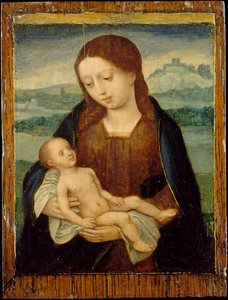
- Workshop Production & Style: The remarkable output of approximately sixty-seven paintings attributed to the Master is a testament to the scale and sophistication of his workshop. His distinctive style is characterized by an unparalleled sensitivity to detail, particularly in depictions of female figures—young women presented at half-length against softly rendered backgrounds, embodying ideals of beauty and virtue.
A Symphony of Light and Color: Artistic Influences
The Master’s artistic vision was profoundly shaped by the humanist currents sweeping across Europe during his lifetime. He absorbed influences from artists such as Joachim Patinir and Bernard van Orley, whose landscapes and portraits alike championed naturalism and psychological realism—principles that would become hallmarks of his own distinctive style.
Furthermore, the stylistic innovations emanating from Florence – particularly those associated with Sandro Botticelli – undoubtedly impacted the Master’s compositional choices and decorative sensibilities. The delicate pastel hues prevalent in many of his paintings reflect this Florentine aesthetic tradition.
The Female Figure: A Symbol of Renaissance Ideals
- Idealized Beauty: The Master's female portraits exemplify the humanist preoccupation with idealized beauty—a concept rooted in classical notions of proportion and harmony. Each figure possesses a heart-shaped face, serene gaze, and graceful posture, conveying an aura of innocence and refinement.
- Psychological Depth: Beyond mere visual representation, the Master sought to capture psychological nuance within his subjects’ expressions. His portraits convey subtle emotions—quiet contemplation, gentle melancholy—demonstrating a remarkable understanding of human psychology.
Legacy and Significance
The Master's contribution to Renaissance art is undeniable. He elevated the genre of portrait painting to new heights of artistic excellence, establishing himself as one of the foremost practitioners of his craft. His paintings continue to inspire admiration for their technical virtuosity and profound humanist values.
Moreover, the workshop’s prolific output—spanning a considerable period—provided invaluable training opportunities for aspiring artists and disseminated stylistic innovations throughout the Low Countries. The Master's legacy persists as an emblem of artistic creativity and intellectual curiosity during a transformative era in European history.
Notable Works
- The Virgin and Saint John the Evangelist: This monumental panel exemplifies the workshop’s mastery of perspective and color harmony, capturing the spiritual essence of Christian iconography with breathtaking subtlety.
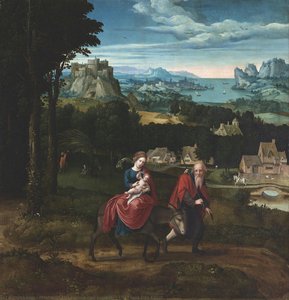
- The Flight into Egypt: Rendered in luminous pigments against a richly textured landscape backdrop, this painting embodies the humanist fascination with naturalistic representation—a hallmark of the Master's artistic idiom.