Michelangelo Merisi da Caravaggio: A Shadowed Genius
The “Master of the Life of Saint John the Baptist,” as he’s often referred to, is a name synonymous with dramatic intensity and revolutionary realism in 16th-century Italian art. While his formal birthdate remains shrouded in uncertainty – generally accepted as around 1571 in Milan, Italy – his life was anything but quiet. Caravaggio, born Michelangelo Merisi, emerged from a humble background, likely apprenticed to a local painter in the bustling commercial center of Lombardy. This early exposure to the demands of portraiture and religious commissions would profoundly shape his future artistic trajectory. His origins, far removed from the established artistic circles of Rome, are crucial to understanding the unique perspective he brought to the burgeoning Baroque period. Unlike many artists groomed within prestigious workshops, Caravaggio’s training was largely self-directed, a testament to his innate talent and relentless drive.
The Revolutionary Technique: Chiaroscuro and Naturalism
Caravaggio's impact on art wasn’t simply due to the compelling narratives he depicted; it stemmed fundamentally from his groundbreaking technique. He shattered the prevailing conventions of the High Renaissance, abandoning idealized forms and serene compositions in favor of a brutally honest portrayal of human experience. His signature style, known as *tenebrism*, involved manipulating light and shadow with astonishing skill – plunging figures into deep darkness while highlighting select areas with intense illumination. This dramatic contrast wasn’t merely an aesthetic choice; it served to heighten the emotional impact of his scenes, creating a palpable sense of drama and immediacy. He achieved this through meticulous observation of natural light, often painting *alla prima* (wet-on-wet) directly onto the canvas, minimizing the need for extensive underpainting.
- Realism Redefined: Caravaggio rejected the polished perfection of earlier artists, embracing imperfections and portraying his subjects with unflinching realism – wrinkles, blemishes, and even signs of weariness were rendered with startling accuracy.
- The Power of Light: The strategic use of light wasn’t simply for visual effect; it was employed to draw the viewer's eye to key elements within the composition, guiding their gaze and intensifying the emotional weight of the scene.
- Direct Observation: Caravaggio famously worked from life, often using models from the streets of Rome – prostitutes, beggars, and laborers – injecting a sense of social realism into his religious subjects.
The Lives of John the Baptist and Other Biblical Figures
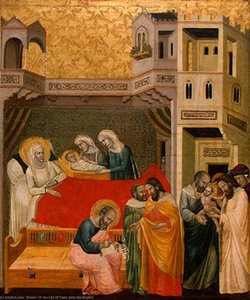
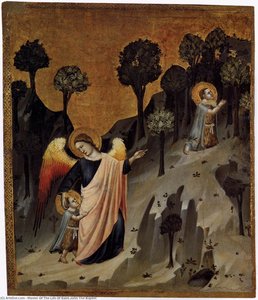
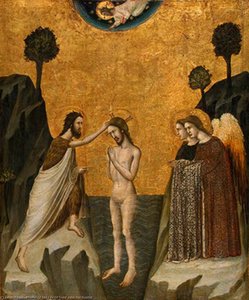
Caravaggio’s most celebrated works center around depictions of Saint John the Baptist, a figure he repeatedly portrayed in various stages of his life – as a young boy fleeing into the desert, as a solitary hermit, and ultimately as a martyr. These paintings are not idealized representations; they are intensely psychological portraits capturing the character's inner turmoil and spiritual struggle. The “Beheading of Saint John the Baptist,” arguably his most famous work, exemplifies this approach: the brutal act is rendered with shocking immediacy, devoid of romanticism or glorification. Similarly, his series of "Stories of St. Luke" offers a raw and unflinching look at the saint’s life, showcasing both piety and human vulnerability. Beyond John the Baptist, Caravaggio produced powerful depictions of other biblical figures – Christ, Mary Magdalene, and scenes from the Passion – each imbued with a profound sense of drama and emotional intensity.
Influence and Legacy: A Turbulent End
Caravaggio’s influence on subsequent generations of artists is immeasurable. He inspired a vast network of followers, known as “Caravaggisti,” who spread his style throughout Europe – to Spain, Portugal, France, and beyond. Artists like Rembrandt van Rijn, Georges de La Tour, and Artemisia Gentileschi all drew heavily from Caravaggio’s techniques and approach. However, Caravaggio's life was marked by violence and instability. He fled Rome after a murder charge in 1606, spending years on the run before returning to the city in 1610, where he died under mysterious circumstances – likely from a wound sustained during a street brawl. Despite his turbulent personal life, Caravaggio’s artistic legacy endures as one of the most significant and transformative figures in Western art history. His innovative use of light and shadow, coupled with his unflinching realism and psychological depth, continues to captivate audiences centuries later, solidifying his position as a true master of the Baroque era.
Historical Significance: A Bridge Between Eras
Caravaggio’s work represents a pivotal moment in art history – a bridge between the idealized beauty of the Renaissance and the dramatic intensity of the Baroque. He rejected the established artistic conventions, prioritizing emotional impact and psychological realism over classical harmony and proportion. His willingness to depict ordinary people within sacred narratives challenged traditional notions of religious art, making it more accessible and relatable to a wider audience. Furthermore, his exploration of themes such as sin, redemption, and human suffering resonated deeply with the social and spiritual anxieties of 17th-century Europe. The “Master of the Life of Saint John the Baptist” remains not just an artist but a cultural touchstone, embodying the complexities and contradictions of his time – a shadowy genius whose work continues to provoke, inspire, and challenge viewers today.