A Shadowy Figure in Siena’s Artistic Landscape
The identity of the “Master of the Story of Griselda” remains one of art history's most enduring mysteries. This Italian panel painter, active primarily in Siena during the late 1490s and early 1500s, left behind a remarkable legacy—a series of exquisitely detailed spalliere panels depicting Giovanni Boccaccio’s *Decameron* tale of patient virtue. Despite the fame of his work, little is definitively known about his life or artistic training. He was not a name widely recognized during his lifetime, earning his moniker solely from the subject matter he so masterfully rendered: Griselda, the peasant woman who endured unimaginable trials with unwavering loyalty and grace.
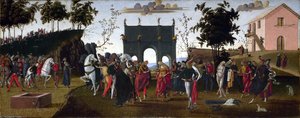
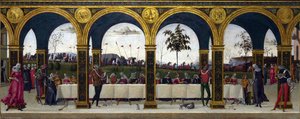
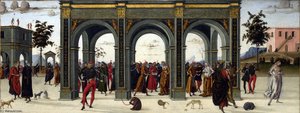
The earliest evidence of his work comes from the National Gallery in London, where three panels—featuring Griselda’s marriage to the Marquis Gualtieri, her agonizing tests, and her ultimate triumph—remain as testaments to his skill. These panels, alongside a cycle of eight figures depicting other prominent historical and biblical characters (Alexander the Great, Joseph, Tiberius Gracchus, Artemisia, Eunustos, Julius Caesar, and Cleopatra), offer invaluable insights into the artistic trends and patronage networks of Siena during this pivotal period. The style is remarkably sophisticated for its time, blending elements of early Renaissance humanism with a distinctly Sienese sensibility—a delicate balance between classical ideals and regional traditions.
The Boccaccio Panels: A Symphony of Detail
The *Decameron* panels are not merely illustrations; they’re miniature narratives brought to life through meticulous detail and evocative composition. The Master skillfully captures the emotional weight of each scene, employing a restrained palette dominated by earthy browns, ochres, and deep reds—colors that lend an air of solemnity and gravitas to the story. The figures themselves are rendered with remarkable realism, their faces conveying a range of emotions from stoic endurance to quiet despair. Note the expressive hands, particularly in Griselda’s scenes, which subtly communicate her inner turmoil.
A key element of the panels' power lies in their integration with the surrounding architectural settings. The interiors are richly decorated with intricate patterns and symbolic motifs—a testament to the importance of decorative arts within Sienese aristocratic circles. The use of perspective, though not fully developed as it would be in later Renaissance works, creates a convincing illusion of depth and space, drawing the viewer into the narrative.
- Key Features: Restrained color palette, meticulous detail, expressive figures, integration with architectural settings.
- Technique: Oil and tempera on wood, demonstrating mastery of layering and glazing techniques.
- Symbolism: The panels are laden with symbolic meaning, reflecting the moral themes of Boccaccio’s *Decameron*.
Influences and Artistic Connections
The Master's style is often linked to two prominent figures: Pinturicchio, a renowned Sienese painter known for his frescoes in the Piccolomini Palace, and Luca Signorelli, a Neapolitan artist celebrated for his dramatic depictions of biblical scenes. There’s compelling evidence suggesting that the Master spent time working under Signorelli's tutelage, adopting some of his stylistic features—particularly the elongated figures and dynamic compositions. However, he also retains a distinct individuality, characterized by a greater emphasis on detail and a more intimate portrayal of human emotion.
The cycle of eight panels shares thematic connections with another set of paintings created around the same time—a series of nine figures depicting ancient leaders by Domenico and Davide Ghirlandaio in Florence. This comparison highlights the broader artistic currents circulating within Italy during the late 15th century, as artists drew inspiration from classical antiquity and biblical narratives.
Legacy and Historical Significance
Despite the enduring mystery surrounding his life, the Master of the Story of Griselda remains a significant figure in Renaissance art. His panels offer a rare glimpse into the artistic tastes and cultural values of Sienese aristocracy during a period of profound social and political change. The *Decameron* series is not only a remarkable example of panel painting but also a testament to the enduring power of Boccaccio’s humanist tale—a story that continues to resonate with audiences today.
The panels' influence extends beyond their artistic merit. They have become iconic symbols of Renaissance virtue and resilience, embodying the ideals of patience, loyalty, and unwavering faith in the face of adversity. Their presence in major museums around the world ensures that the Master’s legacy will continue to inspire and captivate generations to come.