The Visionary of the Pacific Northwest
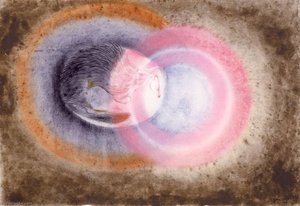
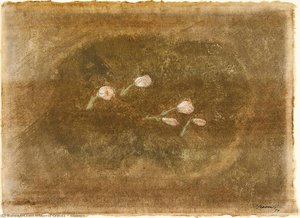
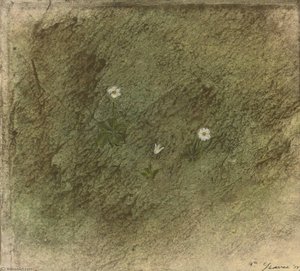
In the mist-shrouded landscapes where the rugged beauty of Oregon meets the contemplative stillness of the Puget Sound, the spirit of Morris Graves found its eternal home. Born in 1910, Graves was an artist who did not merely observe the world but sought to pierce through its physical veil to reveal the consciousness beneath. As a cornerstone of the Northwest School, his work emerged from a profound intimacy with nature—a landscape steeped in both wild resilience and a quiet, almost spiritual, grace. His journey was one of self-directed discovery, eschewing traditional academic rigor for a life lived in deep conversation with the elements: the flight of a bird, the delicate curve of a petal, and the shifting light of a coastal morning.Eastern Echoes and the Mystic's Eye
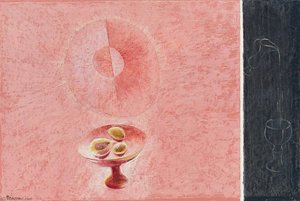
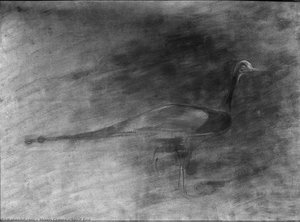
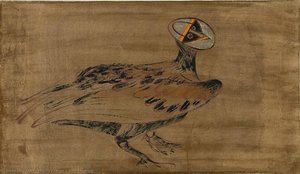
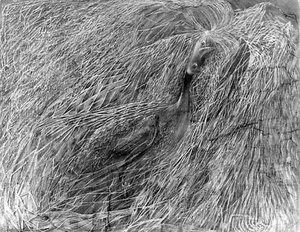
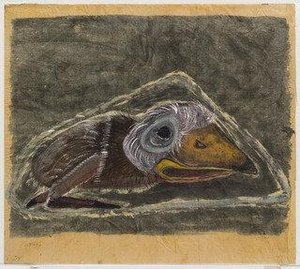
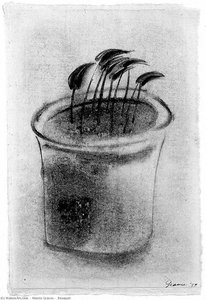
The essence of Graves’s artistry was deeply intertwined with his fascination with Eastern aesthetics and Zen Buddhism. A formative voyage to Japan in the early 1930s left an indelible mark on his soul, instilling a reverence for simplicity, suggestion, and the beauty of the ephemeral. This influence manifested in a unique symbolic vocabulary where animals—most notably birds—served not as mere biological subjects but as metaphors for the human psyche and the fragility of existence. Through his mastery of texture and light, he developed a language that was both intimate and universal, characterized by:- Symbolic Motifs: The recurring use of birds, flowers, and chalices to represent spiritual vessels and the essence of life.
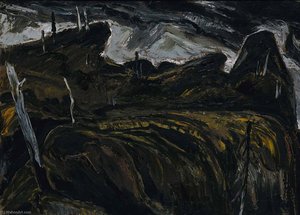
- Atmospheric Depth: A technique that captures the ethereal, misty quality of the Northwest through delicate washes and shadows.
- Philosophical Resonance: An integration of Eastern meditative principles into the very structure of his compositions.
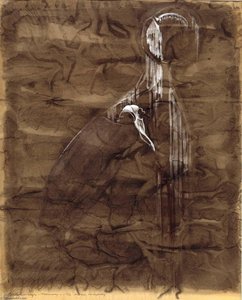
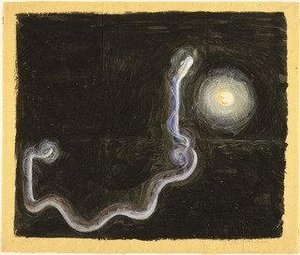
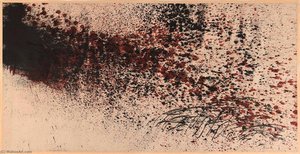
His ability to blend these elements allowed him to create works like Folded Wings Memory the Moon Weeping, which haunt the viewer with their sense of isolation and transcendence.