The Silent Observer: The Legacy of Oliver H. Willard
In the quiet corridors of nineteenth-century American portraiture, few names evoke as much mystery and specialized fascination as Oliver H. Willard. A painter whose life remains partially veiled by the passage of time, Willard carved out a singular niche in the art world through his profound dedication to Masonic symbolism and an almost scientific devotion to detail. While biographical records offer only glimpses of his early years in Vermont, his artistic presence is unmistakable—a steady, observant hand that sought to capture not just the physical likeness of his subjects, but the very spiritual and philosophical essence they inhabited.
Willard’s journey into the heart of American realism began in the bustling artistic hub of Boston. It was here that he encountered the disciplined influence of Joshua Willard Gibbs, a mentor whose emphasis on anatomical accuracy and rigorous observation would become the bedrock of Willard's technique. Under Gibbs’ tutelage, Willard learned to treat the canvas as a space for meticulous investigation. This training allowed him to transcend simple representation; his brushstrokes were capable of rendering the subtle textures of fabric, the soft glow of skin, and the intricate emblems of secret societies with a precision that commanded respect from his contemporaries.
Symbolism and the Masonic Spirit
What truly distinguishes Willard’s oeuvre is his deep-seated engagement with the esoteric. His work serves as a visual bridge to the intellectual currents of his era, particularly the burgeoning interest in Freemasonry. For Willard, Masonic emblems were far more than mere decorative flourishes; they were profound narrative tools used to explore character and intellect. In his hands, a piece of jewelry or a specific arrangement of symbols became a window into the subject's spiritual aspirations and social standing.
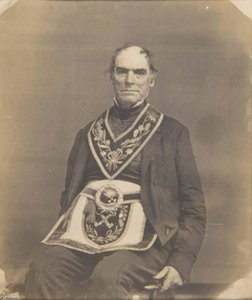
This fascination is perhaps most vividly realized in his celebrated depictions of figures within the Masonic Order. One of his most poignant achievements includes:
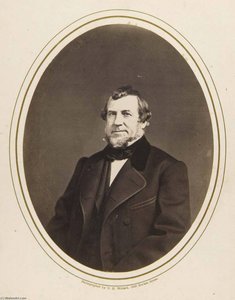
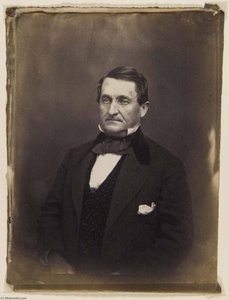
- The Portrait of a Man in Masonic Attire: A masterpiece housed at the Smithsonian American Art Museum, this 1857 work exemplifies his ability to weave identity and iconography together, using the Masonic emblem on the subject's chest to tell a story of affiliation and honor.
- Iconographic Portraits: His depictions of legendary figures, such as Hiram Abiff, demonstrate a mastery of symbolic artistry that elevates portraiture into the realm of historical and mythic storytelling.
A Lasting Impression on American Portraiture
Throughout a prolific career spanning several decades, Willard produced approximately 150 portraits, each serving as a testament to his unwavering commitment to his craft. His ability to balance the heavy weight of symbolism with the delicate requirements of realism ensured that his subjects remained human and relatable, even when draped in the complex imagery of secret rituals. He did not merely paint faces; he painted legacies.
Today, the significance of Oliver H. Willard lies in his role as a pioneer of a very specific, highly detailed form of American historical portraiture. His work remains a vital resource for art historians seeking to understand the intersection of 19th-century social structures and visual culture. Through his disciplined eye and his reverence for the unseen truths of his subjects, Willard ensured that even as the men he painted passed into history, their character and their convictions would remain eternally preserved in the fine, meticulous lines of his art.