Paolo da San Leocadio (c.1447-1520): The Soulful Virgin
Paolo de San Leocadio, born around 1447 in Reggio Emilia, Italy, stands as a pivotal figure within the burgeoning Florentine Renaissance and its subsequent dissemination across Spain. While biographical details remain somewhat elusive – largely due to the scarcity of surviving documentation – his artistic legacy speaks volumes about his profound understanding of emotion and religious devotion, cementing his place among the masters of his era.
Little is known definitively about Leocadio’s early life or formal training. However, evidence suggests he honed his skills in Florence during its golden age, absorbing the humanist ideals championed by artists like Piero della Francesca and Andrea Mantegna. This exposure undoubtedly shaped his artistic sensibilities, fostering a sensitivity to naturalism combined with an expressive power that distinguishes his oeuvre.
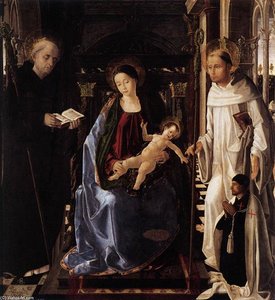
- Florence Period (c. 1470 – c. 1500): Leocadio’s Florentine years witnessed him producing works characterized by meticulous detail and luminous color palettes—particularly evident in paintings like “The Virgin and Child with Saints,” a masterpiece showcasing his masterful depiction of maternal tenderness and spiritual contemplation.
- Spanish Patronage & Artistic Evolution: Around 1500, Leocadio accepted commissions from the Spanish royal court, relocating to Madrid where he continued to refine his technique and explore new stylistic approaches. This period yielded iconic depictions of Saint Paul, notably “San Paolo Maggiore,” demonstrating a masterful grasp of sculptural form and dramatic composition.
Leocadio’s artistic style is defined by its profound psychological depth—a hallmark of the Florentine Renaissance's preoccupation with human emotion. He skillfully employed chiaroscuro – the interplay of light and shadow – to imbue his figures with palpable vitality, conveying not merely visual representation but also spiritual essence.
His influence extended beyond his immediate contemporaries; Leocadio’s emotive renderings of religious subjects served as inspiration for subsequent generations of artists. His unwavering commitment to capturing the human spirit within sacred narratives solidified his reputation as a visionary artist whose work continues to resonate with audiences today.
Notable Works
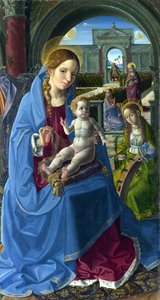
- Virgin of the Knight of Montesa: This painting exemplifies Leocadio’s signature style—a harmonious blend of realism and expressive idealism, capturing the serene beauty of Mary and conveying a sense of profound spiritual grace.
- The Virgin and Child with Saints: Considered one of his finest achievements, this monumental canvas showcases Leocadio's unparalleled skill in portraying maternal compassion and divine presence.
Leocadio’s enduring legacy resides not merely in the beauty of his paintings but also in their ability to evoke empathy and contemplation—a testament to his artistic genius and a cornerstone of Renaissance art history.