Paul Q. Chow: Champion of Angel Island’s Legacy
Paul Q. Chow (1929 – 1998) was more than just a photographer; he embodied the spirit of advocacy and preservation, dedicating his life to safeguarding the poignant history of Angel Island Immigration Station—a site often referred to as “Ellis Island of the West Coast.” Born in San Francisco during the burgeoning era of American optimism, Chow’s formative years instilled within him a deep appreciation for cultural diversity and a fervent belief in the importance of remembering narratives marginalized by mainstream historical accounts. This conviction fueled his lifelong commitment to documenting and honoring the experiences of immigrants arriving at Angel Island, transforming him into an indispensable figure in its revitalization.
- Early Life & Influences: Chow’s upbringing amidst the vibrant tapestry of San Francisco's immigrant communities profoundly shaped his artistic vision. Exposure to diverse cultures and traditions instilled a sensitivity to storytelling that would permeate his photographic oeuvre.
- The Angel Island Project: Recognizing the urgent need for remembrance, Chow spearheaded the effort to restore Angel Island Immigration Station as a national historic landmark. He founded the People of America Foundation in 1987 with the singular purpose of fostering dialogue and appreciation for the immigrant journey—a mission that continues to inspire efforts toward intercultural understanding.
- Photographic Style & Technique: Chow’s photographs possessed a distinctive aesthetic characterized by meticulous detail and an unwavering commitment to capturing authentic emotion. He favored large-format cameras, allowing him to achieve remarkable tonal range and textural richness, reflecting the solemn beauty of his subjects—often portraits of immigrants recounting their stories.
Notable Works & Artistic Achievements
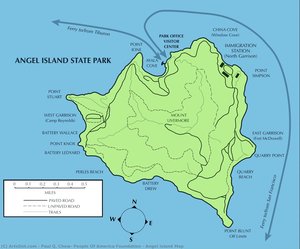
Among Chow’s most celebrated pieces are “Holster and Arrow,” a striking depiction of Native American craftsmanship that speaks to themes of resilience and cultural heritage, and “Angel Island Map,” which powerfully conveys the station's geographical significance as a gateway for newcomers seeking refuge. These images aren’t merely representations; they are imbued with Chow’s profound empathy for those who have traversed challenging journeys toward freedom and opportunity. His photographs stand as testament to his belief that visual art can serve as a conduit for fostering compassion and promoting historical awareness.
- “Holster and Arrow” – Demonstrates meticulous attention to texture and detail, capturing the essence of Native American artistry.
- “Angel Island Map” – Effectively communicates the station’s role as a pivotal location in immigration history, utilizing compositional elements to guide the viewer's gaze.
Legacy & Recognition
Chow’s tireless dedication to preserving Angel Island Immigration Station earned him widespread acclaim and cemented his place within the annals of American cultural heritage. The Angel Island Immigration Station Foundation honored him with the title “Paul Q. Chow” in recognition of his unwavering commitment to safeguarding this landmark site and championing the narrative of immigrant experience. Furthermore, his photographs gained prominence on platforms like Google Arts & Culture, reaching audiences globally and ensuring that Chow’s artistic vision would endure for generations to come.
Ultimately, Paul Q. Chow's legacy resides not only in his stunning photographic creations but also in his unwavering advocacy for remembrance and understanding—a testament to the transformative power of art as a vehicle for fostering empathy and illuminating pivotal moments in American history.