The Alchemy of Trauma and Resilience: The Art of Reina e. Wooden
In the vibrant, often jarring landscapes of contemporary abstract expressionism, few voices resonate with as much raw, unshielded emotion as Reina e. Wooden, known to the art world as reina 76 artist|r76. Born in Harrisburg, Pennsylvania, in 1976, Wooden’s journey into the visual arts was not a linear ascent but rather a profound redirection of purpose. Originally pursuing a degree in hospitality management at Howard University in Washington DC, her life took a transformative turn in 2002. This pivotal moment led her back to her roots in Harrisburg, where an encounter with the local creative community—including the Meatlocker Gallery and the Mantis Collective—ignited a dormant passion for the canvas. What emerged was not merely a change in career, but the birth of an artistic mission: to utilize the medium of paint as a tool for confronting and healing the deep-seated wounds of domestic violence and depression.
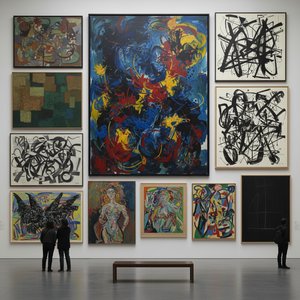
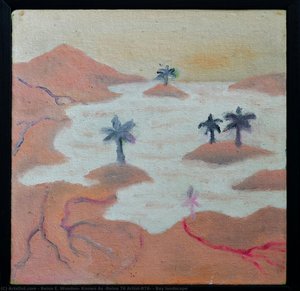
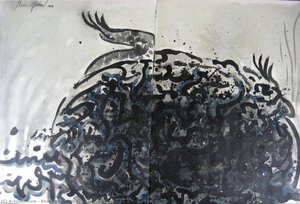
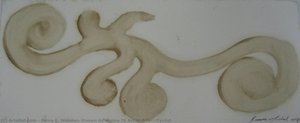
Wooden’s aesthetic language is one of deliberate intensity, characterized by what many critics identify as an "outsider" sensibility that refuses to conform to traditional boundaries. Her work does not seek to replicate the familiar; instead, it explores new theories of interaction between concept and form. She utilizes a striking palette of bold, drastic colors applied in thick, impasto layers that lend a palpable, sculptural energy to her surfaces. Whether working on canvas, cardboard, or fabric, her technique is defined by jagged strokes and heavy textures that mirror the fractured nature of trauma itself. Through these tactile elements, she symbolizes the resilience required to navigate adversity, turning the very marks of struggle into symbols of survival.
Ancestry, Influence, and the Basquiat Legacy
The soul of R76’s work is deeply intertwined with a sense of historical and cultural reclamation. A defining moment in her artistic development occurred during a pilgrimage to Brooklyn, where she visited the gravesite of Jean-Michel Basquiat at Greenwood Cemetery and explored his spirit through the works displayed at the Tony Shafrazi Gallery. This encounter did more than just refine her technique; it provided a bridge to her own heritage. By connecting with the legacy of Basquiat, Wooden found a way to tap into her Afro-Venezuelan artistic roots, allowing her cultural lineage to inform her modern approach to abstraction.
This fusion of personal history and global art movements creates a unique tension within her compositions. Her work often features:
- Layered Narratives: The use of thick impasto layers that represent the accumulation of memory and experience.
- Chromatic Dissonance: Jarring color combinations that evoke the unpredictable nature of emotional upheaval.
- Material Diversity: An experimental approach using unconventional supports like cardboard to emphasize the raw, unpolished truth of her subject matter.
A Legacy of Healing and Recognition
Beyond the physical properties of her paintings, Reina e. Wooden’s significance lies in her role as a visual healer. Her art serves as a sanctuary for those navigating the complexities of psychological distress, translating the invisible scars of the psyche into visible, powerful imagery. This commitment to emotional transformation has allowed her work to transcend local boundaries, finding homes in private collections across New York, Philadelphia, Minneapolis, Harrisburg, and even France.
Her exhibitions in prestigious venues such as the WITF Atrium and the Art Association of Harrisburg PA have solidified her standing within the contemporary art scene. As she continues to evolve, R76 remains a vital figure in the movement of abstract expressionism, proving that art is not merely an object of beauty, but a profound instrument for reclaiming one's narrative from the shadows of the past.