René Le Brun: Bridging Romantic Idealism and Symbolistic Precision
René Le Brun (1847–1935), a prominent figure in French landscape painting, stands as a testament to the artistic dialogue between Romantic fervor and Symbolist introspection. Born into a noble family steeped in tradition, Le Brun’s early life fostered an appreciation for both classical scholarship and the burgeoning naturalistic tendencies of his time—influences that would profoundly shape his distinctive artistic vision. His formal training at the École Supérieure des Beaux-Arts in Paris cemented his grounding in academic principles while simultaneously exposing him to the revolutionary ideas circulating amongst avant-garde artists eager to transcend mere representation.
- Early Influences: Le Brun’s formative years coincided with the Romantic movement's peak, where artists like Eugène Delacroix championed emotion and dramatic narrative within their canvases. However, he wasn’t merely captivated by Delacroix’s theatrical grandeur; rather, he recognized the importance of capturing the essence of nature—a preoccupation that would become central to his oeuvre.
- Formal Training & Artistic Style: Le Brun diligently honed his skills at the École Supérieure des Beaux-Arts, mastering techniques rooted in meticulous observation and anatomical accuracy. Yet, unlike many of his contemporaries who prioritized photographic realism, Le Brun deliberately sought a more nuanced approach—one that combined precise rendering with symbolic layering.
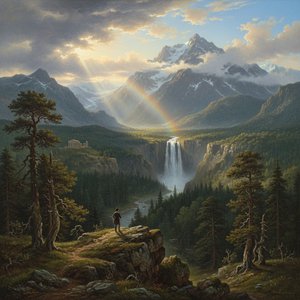
- Symbolic Landscape: Le Brun’s landscapes aren't simply depictions of picturesque vistas; they are imbued with deeper meanings reflecting philosophical and spiritual concerns. Recurring motifs – such as solitary trees, misty mountains, and serene lakes – serve as vehicles for conveying ideas about solitude, contemplation, and the sublime—concepts championed by thinkers like Friedrich Nietzsche and Hermann Hesse.
Le Brun’s artistic breakthrough arrived in 1874 with his monumental painting “La Montagne Sainte-Victoire,” a breathtaking portrayal of Provence's iconic peak. This work exemplifies Le Brun’s signature style: a masterful blend of topographical accuracy and expressive brushwork that captures not only the physical contours of the mountain but also its psychological impact on the human spirit. Critics lauded Le Brun’s ability to distill complex emotions into visual form—a feat achieved through painstaking preparation and an unwavering commitment to artistic integrity.
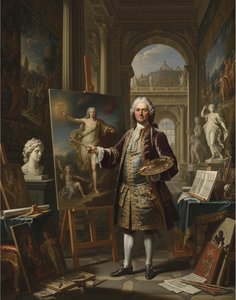
- Notable Works: Beyond Sainte-Victoire, Le Brun produced a prolific body of work encompassing landscapes, portraits, and genre scenes. His paintings frequently explored themes of rural life, familial bonds, and the passage of time—subjects that resonated deeply with audiences of his era.
- Recognition & Legacy: Le Brun’s artistic achievements garnered considerable acclaim during his lifetime, securing him membership in prestigious academies and earning numerous awards. However, it was his enduring influence on subsequent generations of artists who solidified his place within the annals of art history—particularly those drawn to Symbolist aesthetics.
Le Brun's contribution to French landscape painting transcends mere visual beauty; he championed a profound engagement with philosophical ideas and psychological states. By prioritizing symbolic resonance alongside technical proficiency, Le Brun established himself as a pivotal figure in bridging the Romantic tradition’s expressive fervor with Symbolism’s contemplative introspection—a legacy that continues to inspire artists today.