Stefano di Giovanni d'Arbosio di Francia: A Master of International Gothic
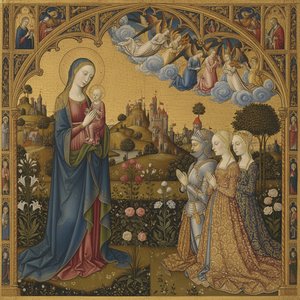
Stefano da Verona, also known as Stefano di Giovanni d’Arbosio di Francia, was a pivotal figure in the artistic landscape of Northern Italy during the early fifteenth century. Born around 1379 in Verona – the son of Jean d'Arbois, a French painter who had established himself at Gian Galeazzo Visconti’s court after working for Philip II of Burgundy – Stefano’s formative years were steeped in the traditions of Burgundian art and illuminated manuscripts. He received his initial artistic training from Michelino da Besozzo, whose influence would profoundly shape his stylistic approach.
- Early Life & Training: Jean d'Arbois’s patronage ensured Stefano’s exposure to the intellectual ferment of the Visconti court, fostering an environment conducive to artistic experimentation. Pavia became Stefano’s workshop city where he honed his skills alongside fellow illuminators, absorbing techniques and stylistic sensibilities prevalent at the time.
- Stylistic Influences: Stefano’s oeuvre is undeniably characterized by the International Gothic style—a movement that flourished across Europe around 1400. This style blended Byzantine elegance with Northern European realism, prioritizing decorative splendor alongside meticulous detail. The influence of Jean Fouquet and Simone Martini are palpable in his compositions.
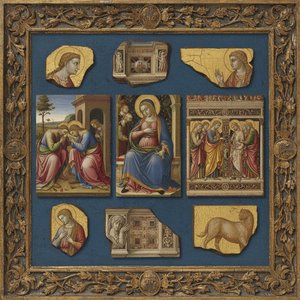
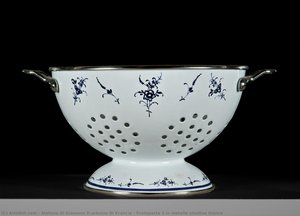
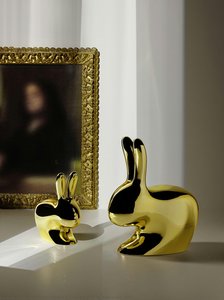
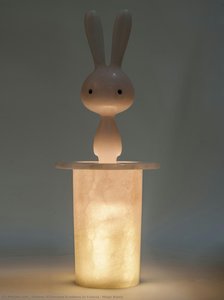
- Notable Works: Stefano’s artistic output spanned a remarkable range of subjects—religious iconography, portraits, and decorative panels—demonstrating versatility and technical mastery. Among his most celebrated pieces include “Scolapasta 3 in metallo smaltao bianco,” a stunning example of gilded enamel technique showcasing intricate floral motifs and vibrant colors; "Rabbit Chair Gold," an opulent depiction of a luxurious furnishing reflecting the lavish tastes of aristocratic patrons; and “Magic Bunny,” which exemplifies Stefano’s ability to convey narrative emotion through symbolic imagery.
- Verona & Artistic Legacy: Stefano established himself as one of Verona's leading painters, contributing significantly to the city’s artistic heritage. His works continue to inspire admiration for their beauty and sophistication, cementing his place as a cornerstone of Italian Renaissance art—a movement that built upon the foundations laid by artists like Marco Villani and Giovanni Battista Buonatello.
Sources: