The Chronicle in Pictures: The Illustrated London News Company
The story of the Illustrated London News Company isn't simply a tale of an art publisher; it’s a reflection of Victorian England itself, a period defined by rapid technological advancement and an insatiable appetite for information. Founded in 1842 by Herbert Ingram, the ILN wasn’t the first illustrated newspaper – that honour belongs to the Penny Illustrated Paper – but it quickly became *the* dominant force, shaping public perception and documenting history as it unfolded. Ingram's genius lay not just in recognizing the potential of wood engraving to bring images to a mass audience, but also in his aggressive reporting style and commitment to visual storytelling. Before photography truly took hold, the ILN’s artists were the eyes of the world for millions, bringing scenes from battlefields, royal ceremonies, scientific expeditions, and everyday life directly into their homes. The initial circulation was an astonishing 26,000 copies – a phenomenal number for the time – and it rapidly expanded to over 300,000 by the 1850s, fueled by a combination of compelling imagery and relatively affordable pricing. The ILN wasn’t merely reporting events; it was creating them in the public consciousness.
From Crimean War to Colonial Expansion: A Visual Record
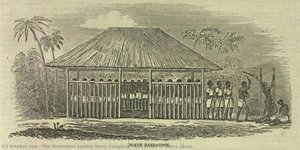
The Illustrated London News truly came into its own during the Crimean War (1853-1856). While other publications relied on delayed official reports, Ingram dispatched special correspondents and artists – including William Simpson – directly to the front lines. These weren’t sanitized depictions of glory; they were often starkly realistic portrayals of suffering, hardship, and the brutal realities of war. The images shocked and moved the British public, contributing significantly to growing anti-war sentiment and prompting calls for reform within the military administration. This commitment to on-the-spot reporting established a precedent for visual journalism that continues today. Beyond the Crimean War, the ILN meticulously documented the vast expansion of the British Empire. Artists travelled extensively throughout India, Africa, Asia, and Australia, providing detailed illustrations of colonial life, landscapes, architecture, and indigenous cultures. These images, while often imbued with Victorian sensibilities and a sense of imperial authority, offer invaluable historical documentation – though it’s crucial to acknowledge their inherent biases and perspectives. The ILN wasn't just showing the world *what* was happening; it was actively constructing narratives about Britain’s place within it.
Artistic Styles & Techniques: The Power of Wood Engraving
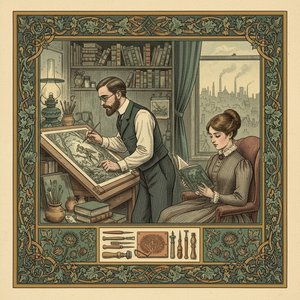
The distinctive aesthetic of the Illustrated London News stemmed directly from the limitations and possibilities of wood engraving. Artists would create detailed drawings, which were then transferred to wooden blocks by skilled engravers. These blocks were painstakingly carved, with each line representing a different tonal value. The process was incredibly labour-intensive, requiring immense skill and precision. The resulting images possessed a unique quality – a combination of fine detail, dramatic contrast, and a slightly grainy texture. While not capable of the photographic realism that would later emerge, wood engraving allowed for a remarkable degree of artistic expression.
- Early Style (1840s-1850s): Focused on detailed topographical views and narrative scenes with strong emphasis on accuracy.
- Mid-Victorian Period (1860s-1880s): Saw a greater use of dramatic composition, chiaroscuro effects, and more emotionally charged subject matter. Artists like Joseph Nash became renowned for their romantic depictions of architecture and landscapes.
- Late Victorian Era (1890s-early 20th Century): Incorporated elements of Art Nouveau and the Aesthetic Movement, with a greater emphasis on decorative detail and stylized forms.
The ILN employed a vast network of artists, each contributing their unique skills and perspectives. The consistency of quality across decades is testament to the rigorous standards maintained by Ingram and his successors.
Legacy & Influence: Shaping Public Opinion
Herbert Ingram’s untimely death in 1869 didn't halt the ILN’s progress; it continued to thrive for much of the 20th century, adapting to changing technologies and evolving public tastes. The introduction of halftone printing in the late 19th century allowed for the reproduction of photographs alongside engravings, further enhancing its visual impact. However, even with these advancements, the ILN never fully abandoned its commitment to original artwork. The publication played a pivotal role in shaping public opinion on a wide range of issues – from social reform and political events to scientific discoveries and artistic movements.
It fostered a sense of national identity and collective memory, providing a shared visual language for the Victorian era and beyond. Today, the archives of the Illustrated London News represent an extraordinary historical resource, offering invaluable insights into the art, culture, and politics of a transformative period. The images continue to captivate and inform, reminding us of the power of visual storytelling and the enduring legacy of this remarkable publication.