Władysław Czachórski: The Elegance of Academic Detail
Władysław Czachórski (1850-1911) stands as a pivotal figure in Polish art history, embodying the spirit of the Munich School and securing his place among the foremost practitioners of academic realism. Born in Lublin, Poland—then under Russian dominion—Czachórski’s artistic journey began with foundational training at Warsaw’s School of Fine Arts before honing his skills at Dresden Academy and culminating in a transformative period at Munich’s prestigious Akademie der Bildenden Künste.
- Early Influences: Czachórski's formative years were shaped by Rafał Hadziewicz, whose teachings instilled in him the principles of academic painting—a style characterized by meticulous observation and painstaking execution. This dedication to realism would become a defining feature of his oeuvre.
- Munich Academy Years (1869-1873): Studying under Hermann Anschütz, Alexander Wagner, and Karl von Piloty at Munich propelled Czachórski’s artistic development. These mentors fostered an appreciation for classical ideals and encouraged experimentation within established conventions.
- Italian Journey (1874-1877): Recognizing the importance of broadening his artistic horizons, Czachórski undertook a crucial study trip to Italy, immersing himself in the artistic heritage of Rome and Florence—experiences that profoundly impacted his stylistic sensibilities.
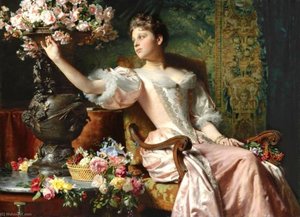
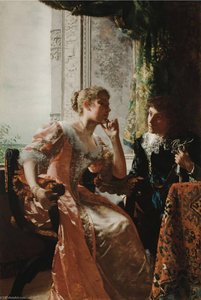
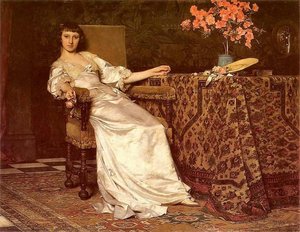
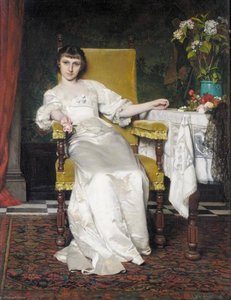
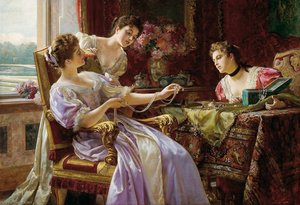
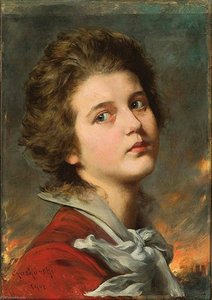
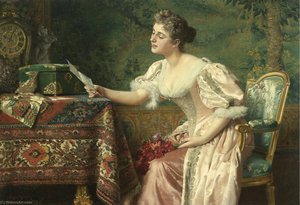
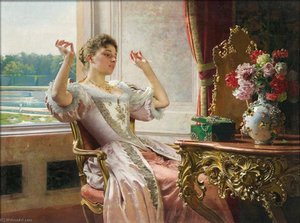
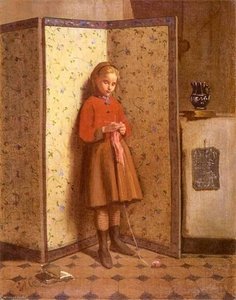
Czachórski’s artistic output is distinguished by its focus on historical narratives and genre scenes, predominantly depicting opulent interiors and aristocratic life during the Baroque and Rococo eras. He achieved particular renown for his dramatic portrayals of Shakespearean plays—specifically *Hamlet* and *Juliet’s Funeral*, which exemplify his masterful technique in capturing psychological nuance alongside exquisite visual detail.
- Shakespearean Dramas: Czachórski's interpretations of Shakespeare’s tragedies captivated audiences with their evocative atmosphere and psychologically astute characterizations. He skillfully rendered the grandeur of Elizabethan courtly life, emphasizing the importance of costume and setting in conveying dramatic impact.
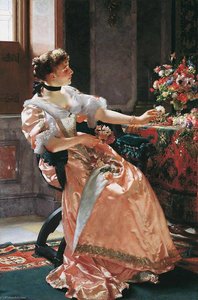
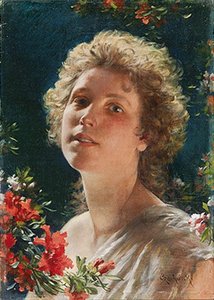
- Notable Paintings: Among his celebrated works are *Lady in a Pink Dress with Flowers*, showcasing Czachórski’s unparalleled ability to depict fabrics and textures—a testament to his meticulous attention to artistic craftsmanship. His paintings reside in prominent museums across Poland and internationally, cementing his legacy as one of the most influential artists of his time.
Czachórski's contribution to Polish art extends beyond individual masterpieces; he championed the academic tradition—a commitment that ensured his work would endure as a symbol of artistic excellence and historical significance. His paintings continue to inspire admiration for their technical brilliance and their capacity to transport viewers back to an era defined by elegance, sophistication, and profound artistic vision.